
Length Retention Tips Every Naturalista Should Know
Disclosure: Some of the links in this post are affiliate links. This means if you click on the link and purchase an item, I will receive an affiliate commission at no extra cost to you.
Growing hair is only half the work, keeping the length you grow is the part most people struggle with the most. A friend of mine once complained that her hair never seemed to grow past a certain point.
She had tried different oils, different shampoos, and even different stylists, hoping something would finally work. But when we sat down and talked properly, the truth came out slowly.
Her hair was growing just fine, at a completely normal rate for her age and type. It just kept breaking off before she could ever notice the growth happening.
This is length retention, and it is the missing piece in most hair journeys. Once you understand it properly, everything else about hair care starts to make more sense.
If you have not read How To Grow Healthy Afro Hair Without Chasing Length, that post lays the foundation this one builds on directly.
Length Retention Tips Every Naturalista Should Know
Why Retention Matters More Than Growth
Every strand of hair on your head is already growing at its own pace. Growth happens whether you notice it or not, since it comes from your scalp.
The real challenge is keeping that new growth from breaking off too soon. This is why two people can grow the same amount of hair, yet look completely different.
Retention is about protecting the hair you already have on your head. It means reducing breakage, dryness, and damage that quietly undoes your progress daily.
Without retention, growth becomes a cycle that never shows any visible results. This is frustrating for a lot of naturalistas who feel stuck despite trying hard.
Many people confuse slow growth with poor retention, and this mix-up leads to wasted effort. They chase growth products when the real problem is breakage all along.
Fixing this confusion is the first step toward real, visible length.
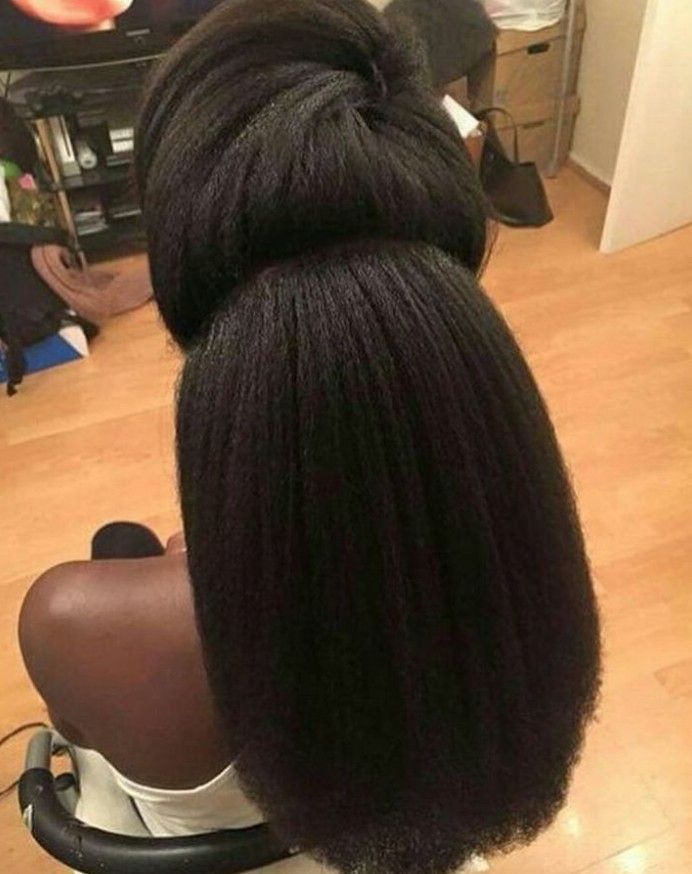
Growth Versus Retention: The Simple Difference
Growth happens at the root, deep inside your scalp itself. Retention happens along the length of your strands, from root to tip.
You cannot control growth speed much, since it is largely genetic and biological. But you can control how much of that growth you actually keep.
Think of it like earning money and spending money every month. Growth is the money coming in, steady and predictable most times.
Retention is how much of it you manage to save. Even good income means nothing if spending outpaces it constantly and quietly.
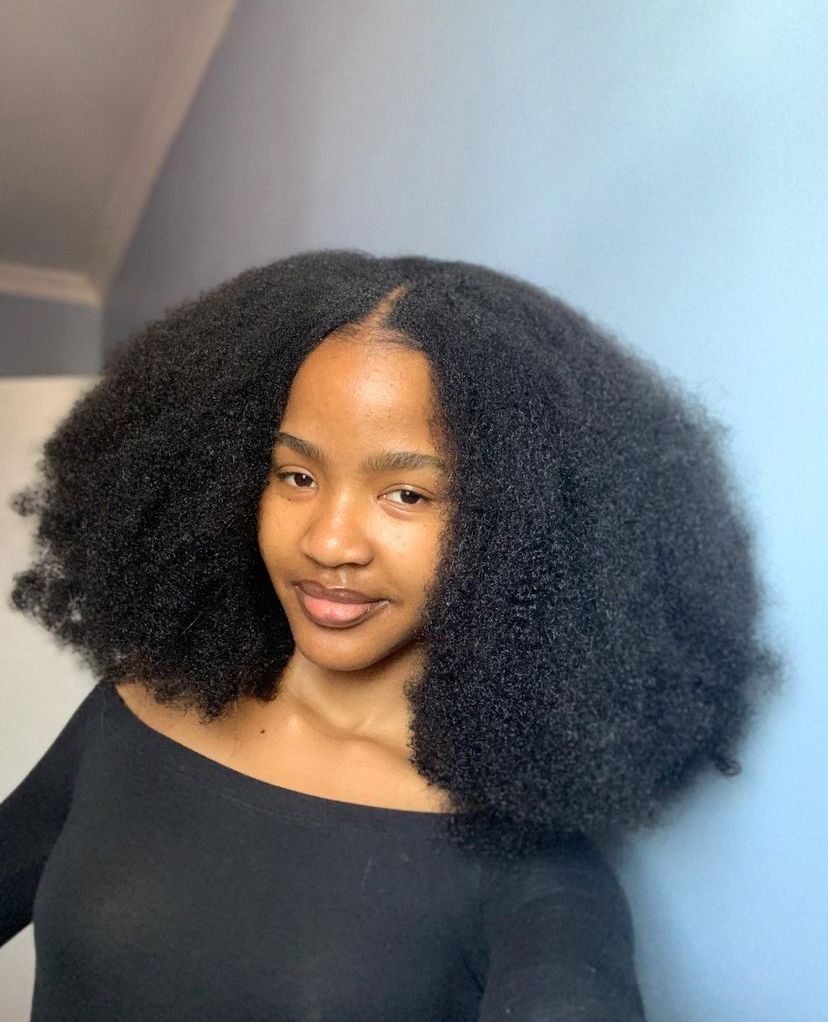
Why This Confusion Is So Common
Most hair adverts focus entirely on growth, rarely mentioning retention at all. This creates a false idea that faster growth alone solves every hair problem.
In reality, most naturalistas already grow enough hair to reach long lengths.
The missing piece is almost always retention, not growth speed itself. Shifting your focus here changes how you shop, style, and care for your hair daily.
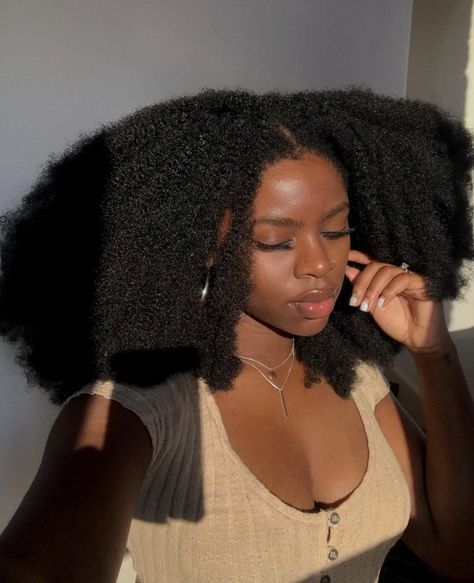
Know Your Hair Type First
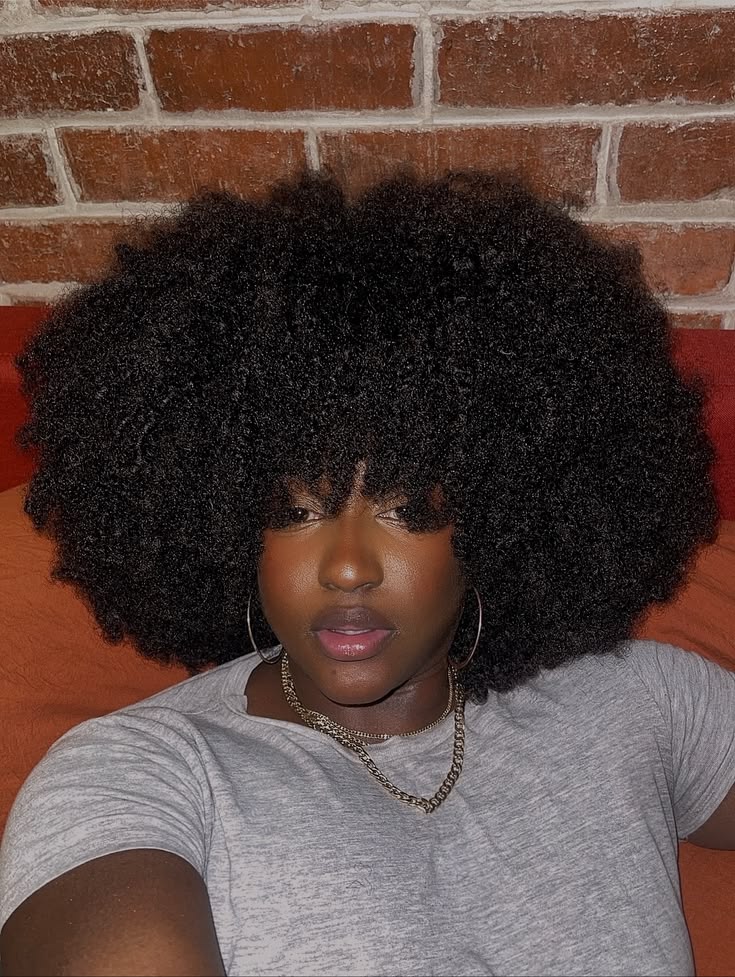
Retention strategies are not one-size-fits-all, since hair type affects fragility directly. Type 4 hair, with its tight coils, is more prone to breakage than looser textures.
Understanding your specific pattern helps you choose the right retention methods for you.
A good starting point is knowing your hair type in general terms. Understanding Type 4 Hair: A Complete Guide explains the basics clearly, especially if you are still new to natural hair care.
4A vs 4B vs 4C Hair Explained breaks down these differences even further, so you know exactly where your hair falls.
Each subtype behaves differently under moisture, manipulation, and styling choices. What works for one type may not work as well for another person.
Curl pattern also affects how your hair tangles and how gently it needs to be handled daily.
Tighter coils tend to tangle more, which raises the risk of breakage during detangling. Save this for later: How To Identify Your Curl Pattern
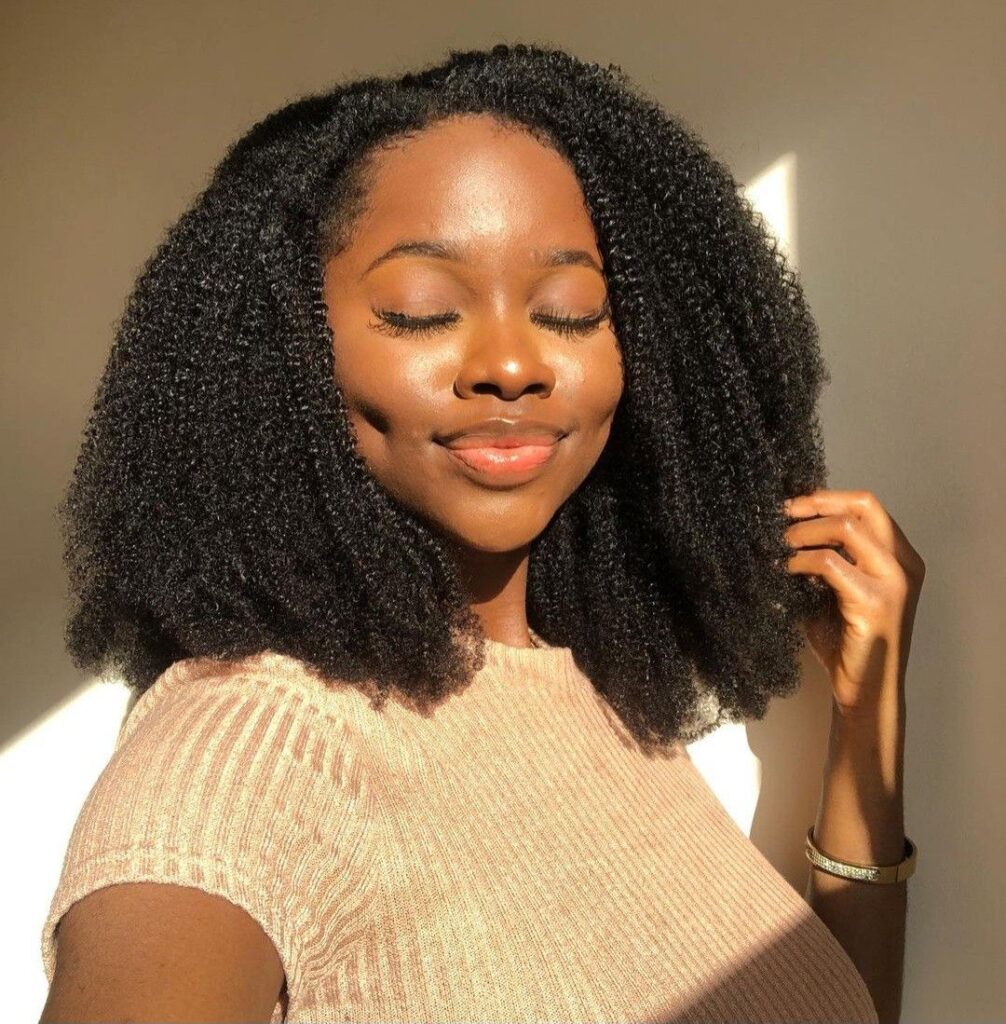
Why Fragility Differs Across Type 4 Hair
The tighter the coil, the more bends exist along each individual strand. Each bend is a weak point where breakage is more likely to happen.
This is simply the nature of type 4 hair, not a flaw or personal failure.
Knowing this helps you handle your hair with the right amount of care daily. Rough brushing or pulling affects tightly coiled hair more than looser textures usually.
Gentle handling becomes even more important the tighter your curl pattern actually is.
How Hair Density Plays A Role Too
Density, or how much hair you have per square inch, also affects retention slightly.
Thicker, denser hair can sometimes hide breakage that thinner hair would show immediately. This does not mean dense hair breaks less, only that damage is harder to notice early.
Regardless of density, the same retention principles apply across every hair type.
Moisture, gentle handling, and consistent care remain the foundation for everyone equally.
Moisture Is The Foundation Of Retention
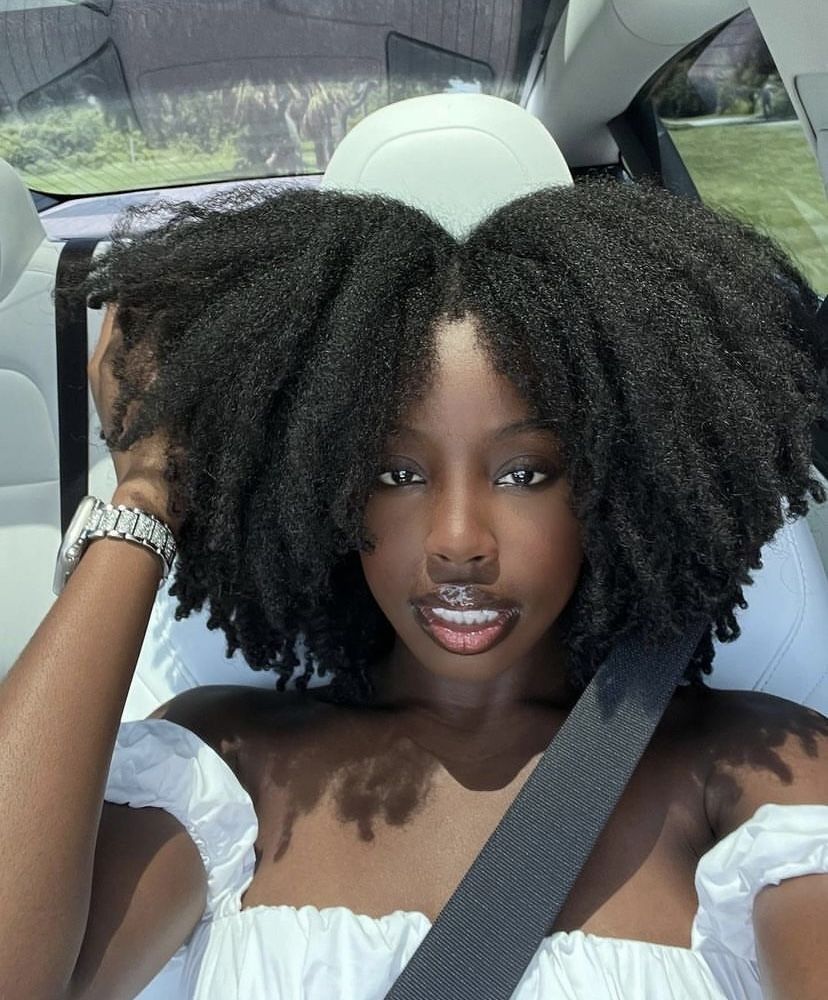
Dry hair breaks far more easily than moisturized hair does. This is one of the simplest facts in hair care, yet it gets ignored often.
Keeping your strands hydrated is one of the biggest retention tools available to you.
Porosity plays a huge role in how well your hair holds moisture over time.
What Is Hair Porosity and Why Does It Matter? explains why some hair types dry out faster than others do.
Knowing your porosity changes how often and how you should moisturize daily.
Building A Moisture Routine That Sticks
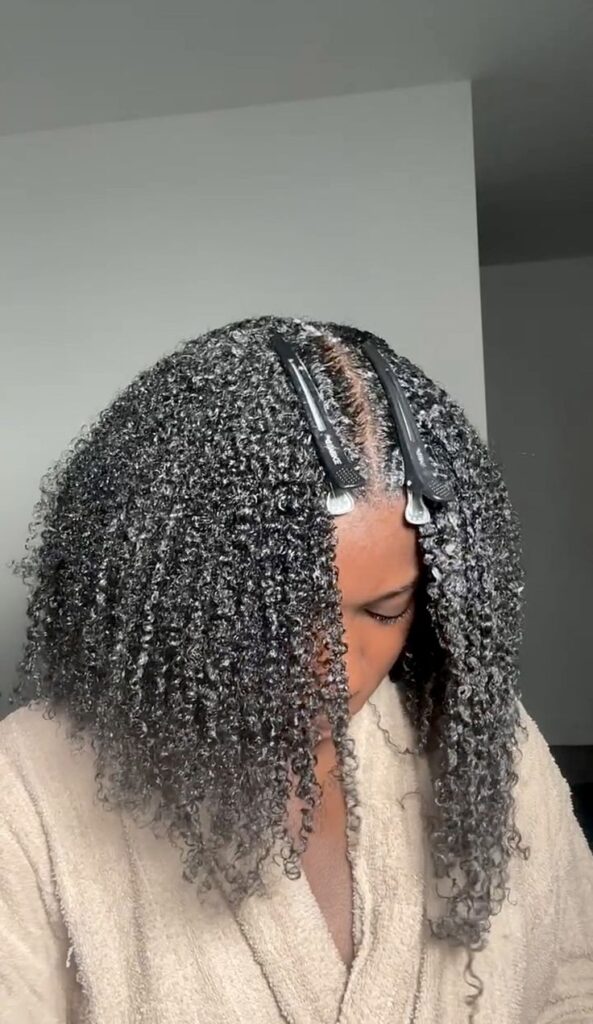
Moisturizing should not be random or occasional if you want real retention results. Set a simple schedule, like every two to three days, and stick to it firmly.
Consistency matters more than any single product you decide to use.
Water should always come first when moisturizing your hair properly. Follow with a leave-in conditioner, then seal with oil or butter afterward.
This layering method, often called the LOC or LCO method, helps moisture last longer between washes.
Pay attention to how your hair feels a day after moisturizing it. If it already feels dry again, your routine may need small adjustments made.
Everyone’s hair drinks moisture differently, so testing helps you find your best rhythm.
Common Moisture Mistakes That Cause Breakage
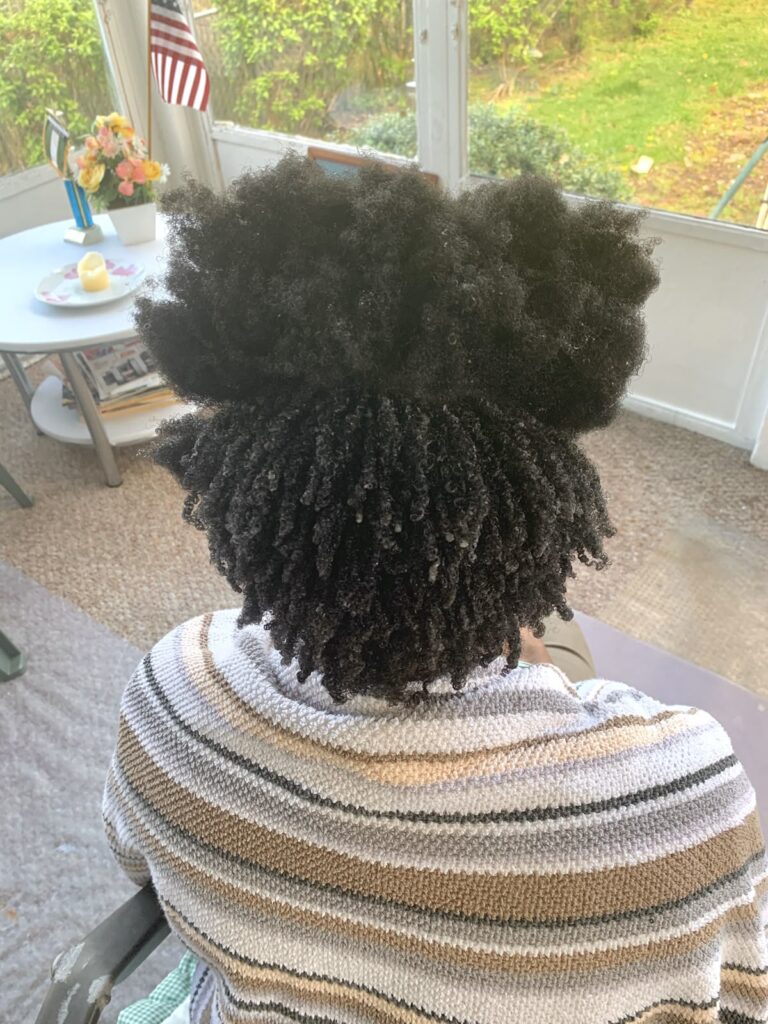
Applying oil directly to dry hair, without water first, rarely hydrates anything properly. This leaves hair looking shiny on the surface but still dry underneath completely.
Always start with water or a water-based product before sealing with oil.
Another mistake is moisturizing only the length while ignoring the roots entirely. Roots need attention too, especially since new growth is often the most fragile part.
Covering your whole head evenly prevents uneven dryness and breakage patterns.
Bookmark this post: Low Porosity Hair Routine
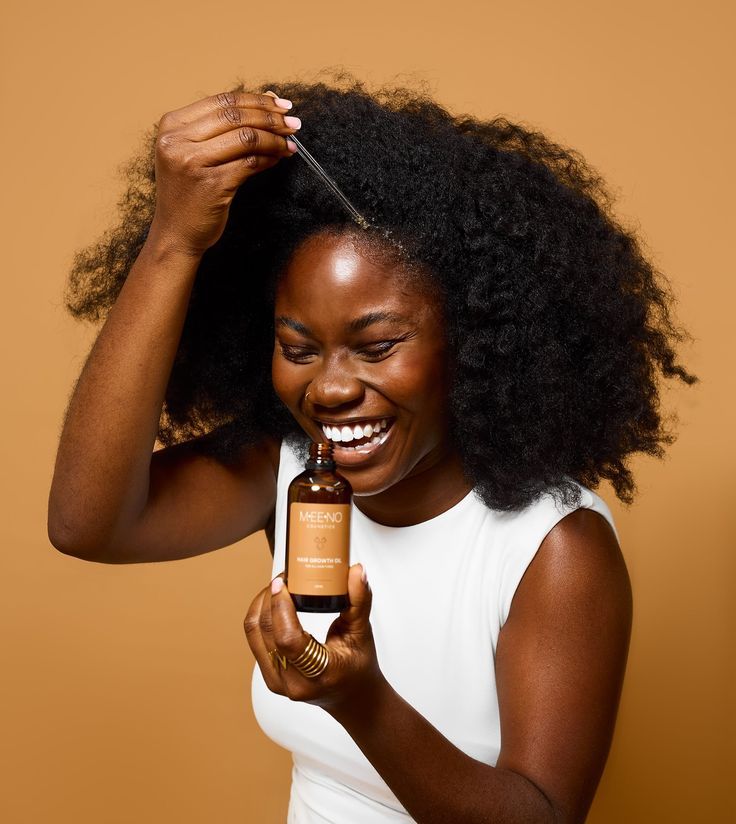
Handle Your Hair Gently
Rough handling is one of the biggest causes of breakage in type 4 hair. Detangling, combing, and styling all carry some risk if done carelessly or in a rush.
Being intentional about how you touch your hair protects your length over time.
Always detangle on wet or damp hair, never on completely dry strands. Dry detangling causes far more breakage than most people ever realize.
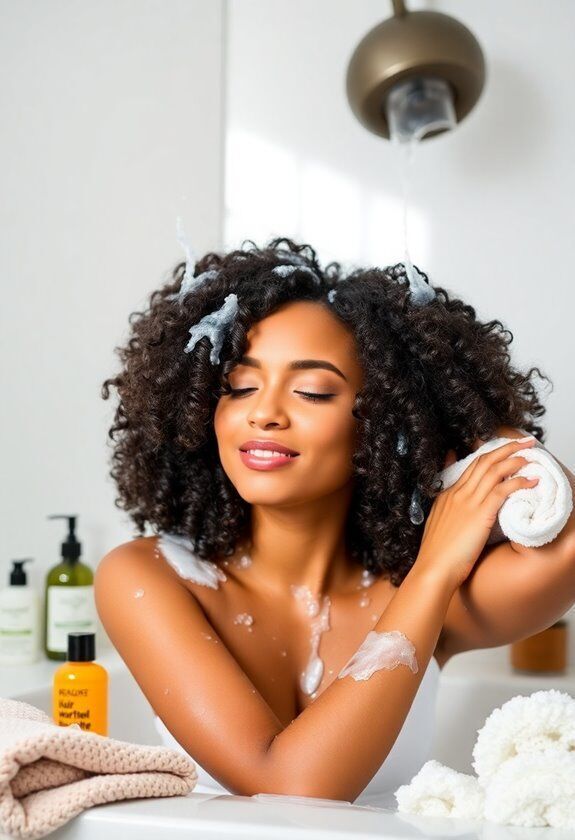
A Gentle Detangling Method
Start detangling from the tips of your hair, working upward toward the roots slowly. This reduces tension and prevents pulling through knots all at once painfully.
Rushing this step almost always leads to unnecessary breakage during the process.
Apply a slippery conditioner or detangling spray before you begin detangling anything. Slip reduces friction between strands, making knots easier to work through gently.
Patience during this step protects months of growth in just a few minutes.
Section your hair into smaller parts before detangling each section carefully. Working in small sections is far gentler than tackling your whole head at once.
This method takes longer but saves your strands from added stress and damage.
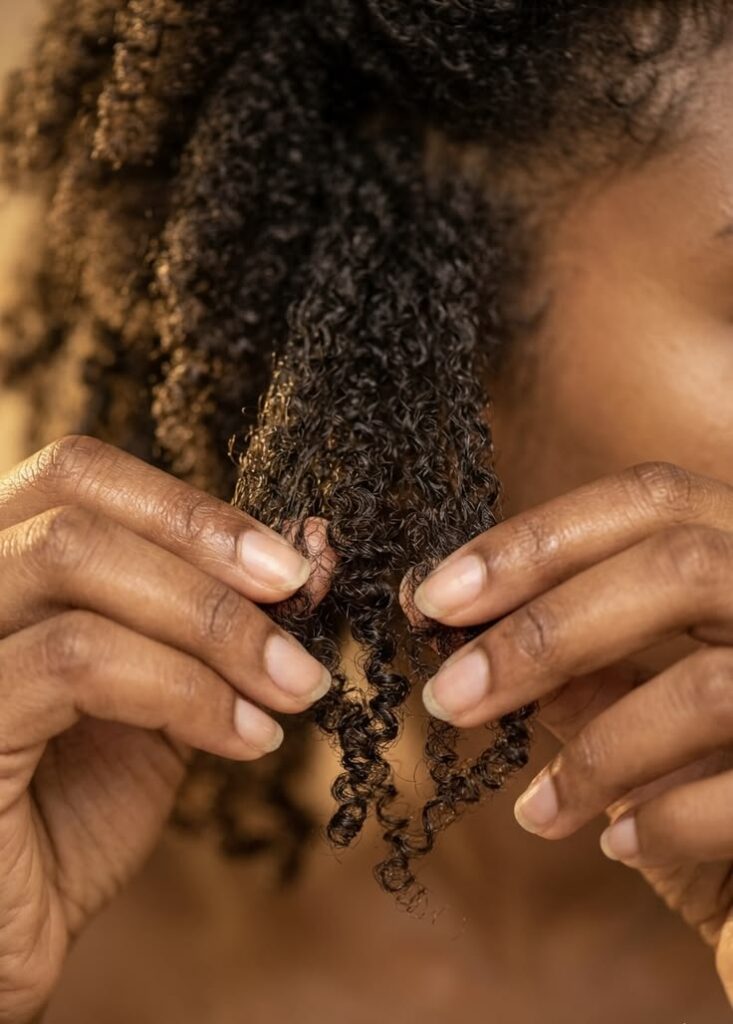
Everyday Habits That Reduce Breakage
Avoid touching or restyling your hair too often throughout the week unnecessarily.
Constant manipulation weakens strands over time, even if each touch feels harmless alone.
Less handling almost always means better retention in the long run overall.
Switch up your parting occasionally if you wear frequent updos or ponytails regularly.
Repeated tension in the same spot can weaken hair along that exact line. Small changes like this protect your edges and overall density over time.
Take a peek: The Best Detangling Brushes For Afro Hair
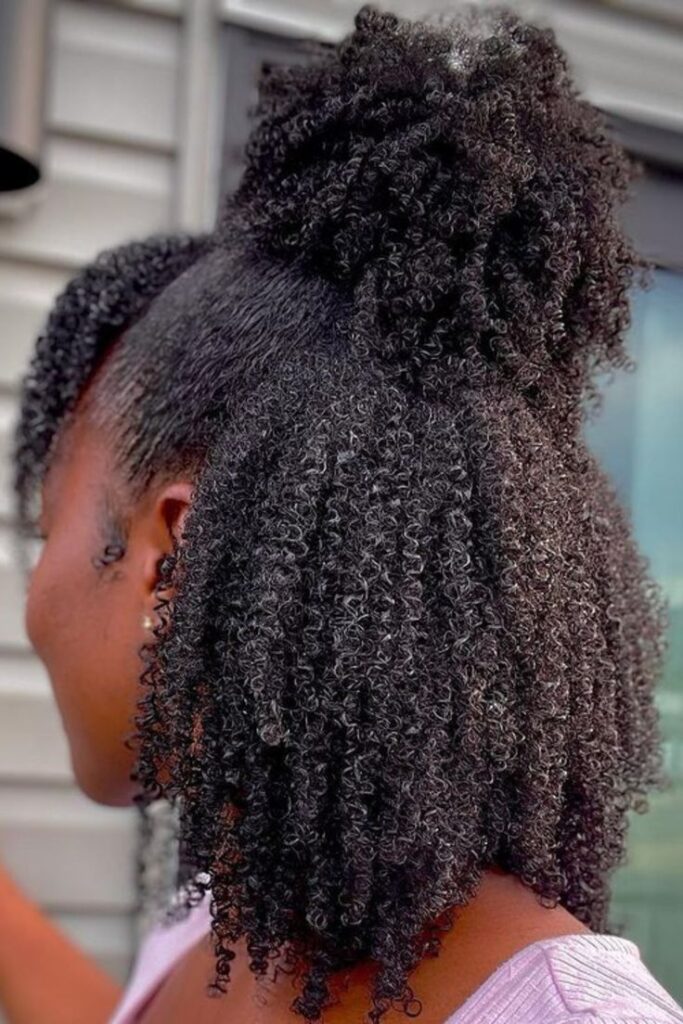
Choosing Gentle Tools For Daily Use
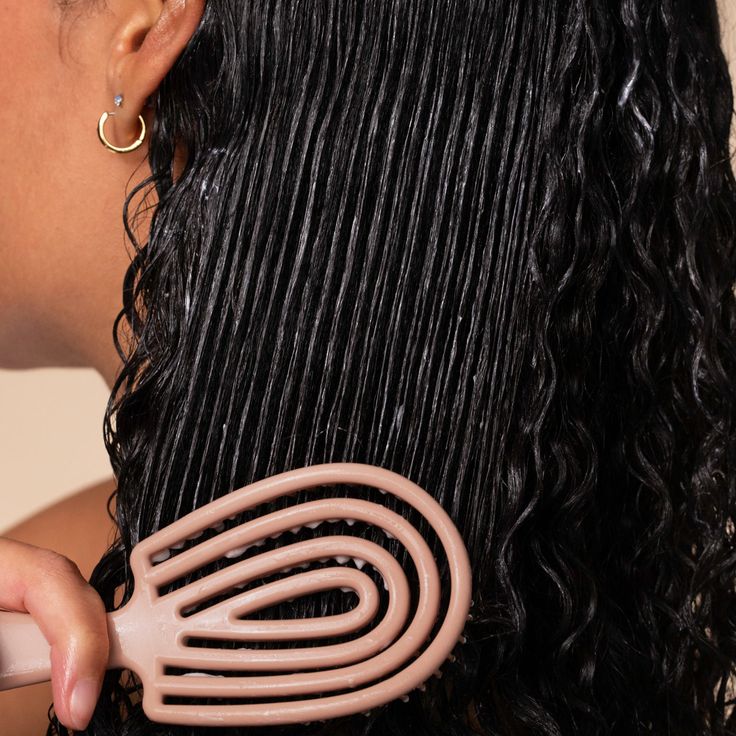
The tools you use daily matter just as much as your technique itself. Rough combs or brushes with tight bristles can snag and pull at fragile strands.
Choosing gentler tools reduces unnecessary tension during everyday styling and maintenance.
Satin-covered hair ties also help reduce friction compared to regular rubber bands. This small switch protects the hair closest to where ties are usually placed.
Protective Styles And Retention
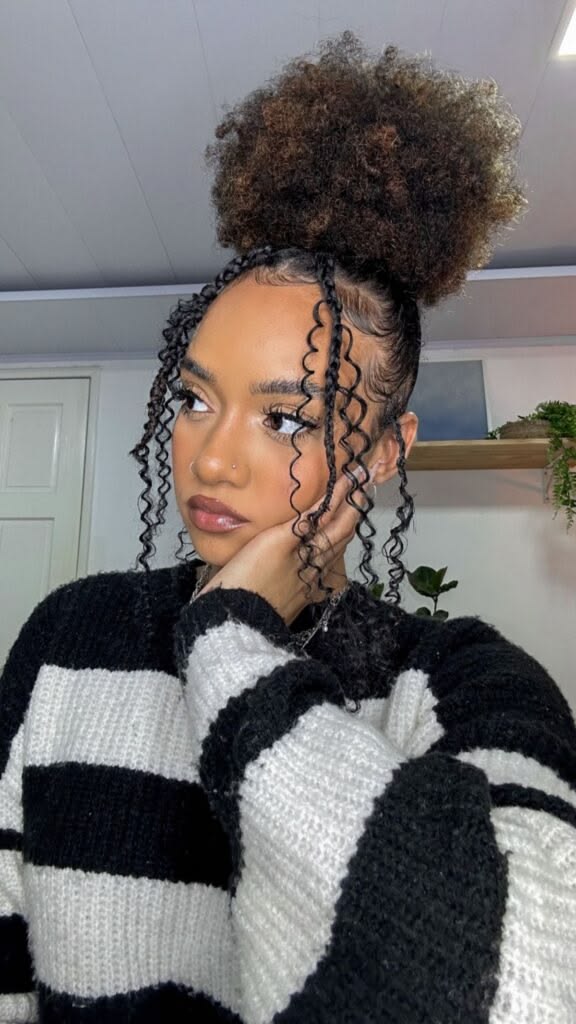
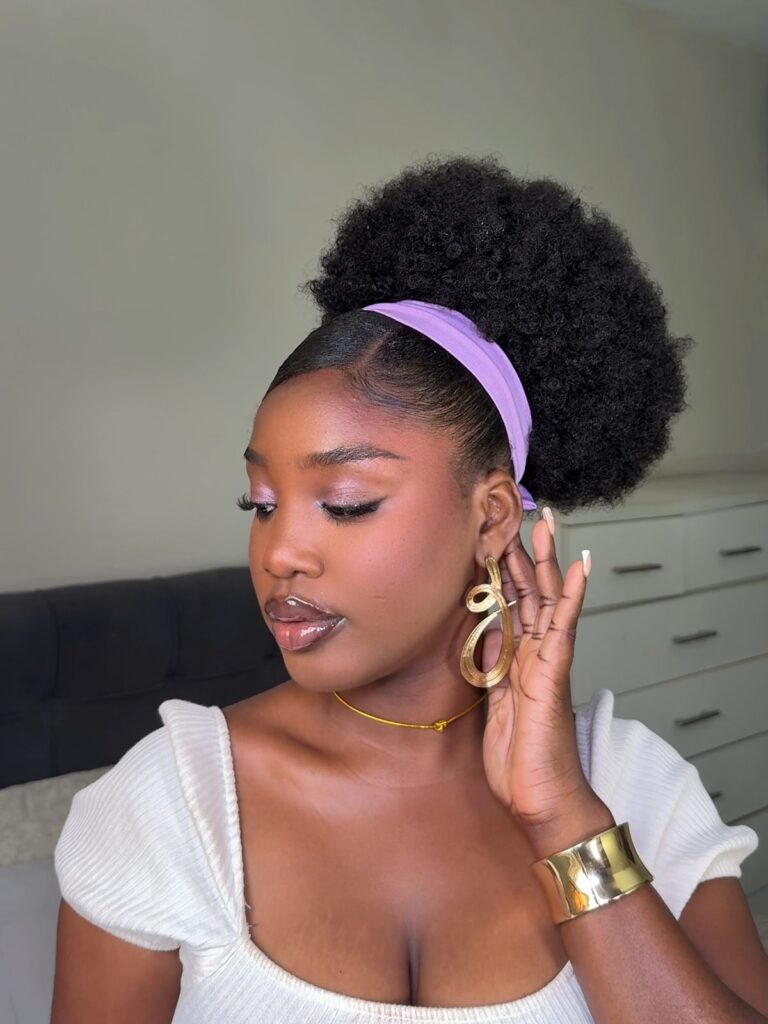
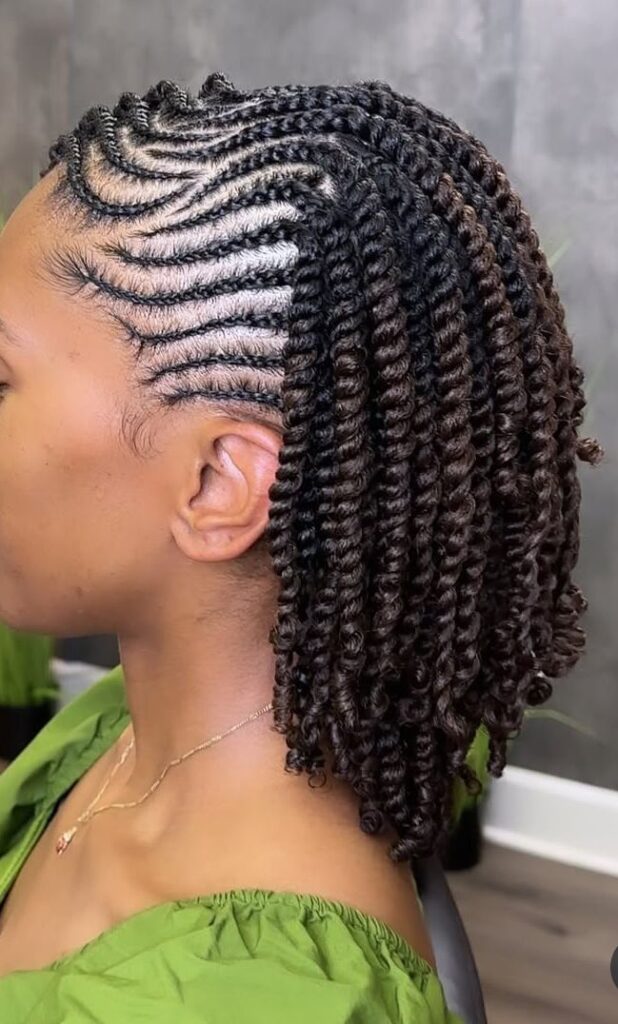
Protective styles remain one of the most effective retention tools available today.
Braids, twists, and buns reduce daily manipulation, which lowers the risk of breakage. But protective styles only help if done and maintained correctly throughout their duration.
Don’t miss this: The Best Hair Growth Routine For Afro Hair
Choosing Styles That Actually Protect
Not every style labeled protective is truly gentle on your hair long term. Styles that are too tight, especially at the edges, cause more harm than good.
Choose styles that feel secure but never painful when they are first installed.
Give your scalp breaks between protective styles instead of moving from one straight into another. Constant tension without rest weakens your hairline over time gradually.
A week or two of low manipulation between styles helps your scalp recover fully.
Keep your protective styles moisturized throughout their entire duration, not just at installation.
Dry hair underneath a style is still prone to breakage, even if hidden from view.
A light spray of water and leave-in keeps things hydrated without disturbing the style.
How Long Is Too Long For A Protective Style
Most protective styles work best when worn for two to six weeks maximum. Wearing them longer increases the risk of matting, buildup, and root damage.
Listening to your scalp, not just the calendar, helps you decide when to take a style down.
My client once kept a set of braids for three months, hoping to maximize retention. Instead, she developed matting near her roots that took weeks to fully detangle.
Shorter, well-maintained styles almost always protect hair better than long, neglected ones.
Scalp Health And Retention
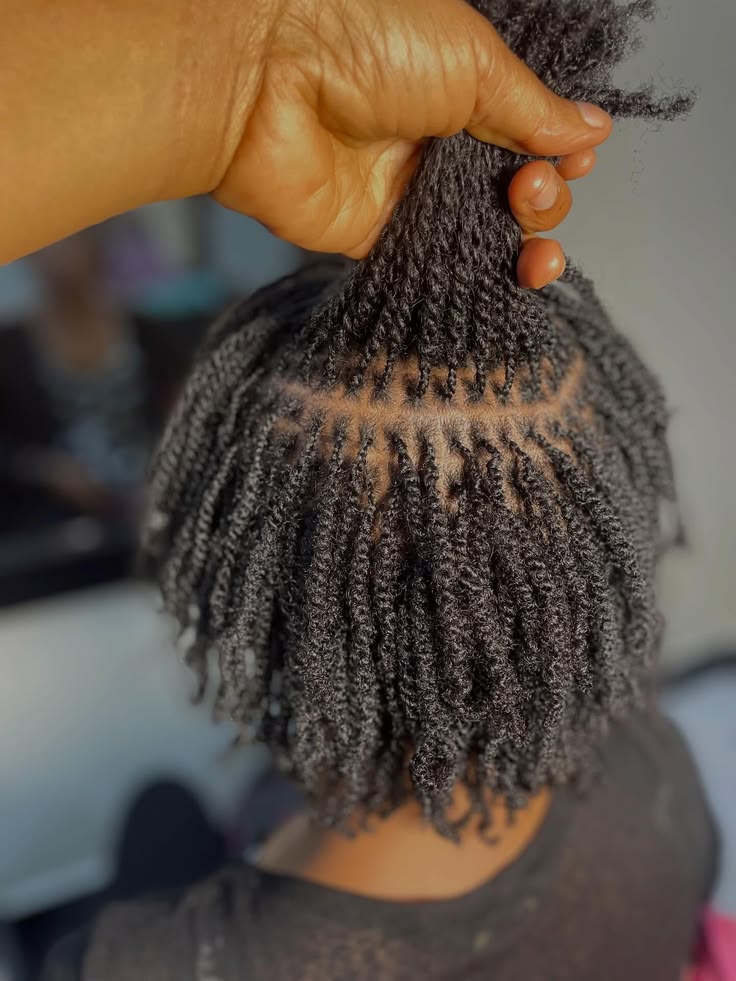
Retention does not stop at the strands themselves. It starts at the scalp, since that is where growth actually begins.
A neglected scalp can quietly sabotage even the best retention routine over time.
Pin this for later: Healthy Scalp Habits For Faster Hair Growth
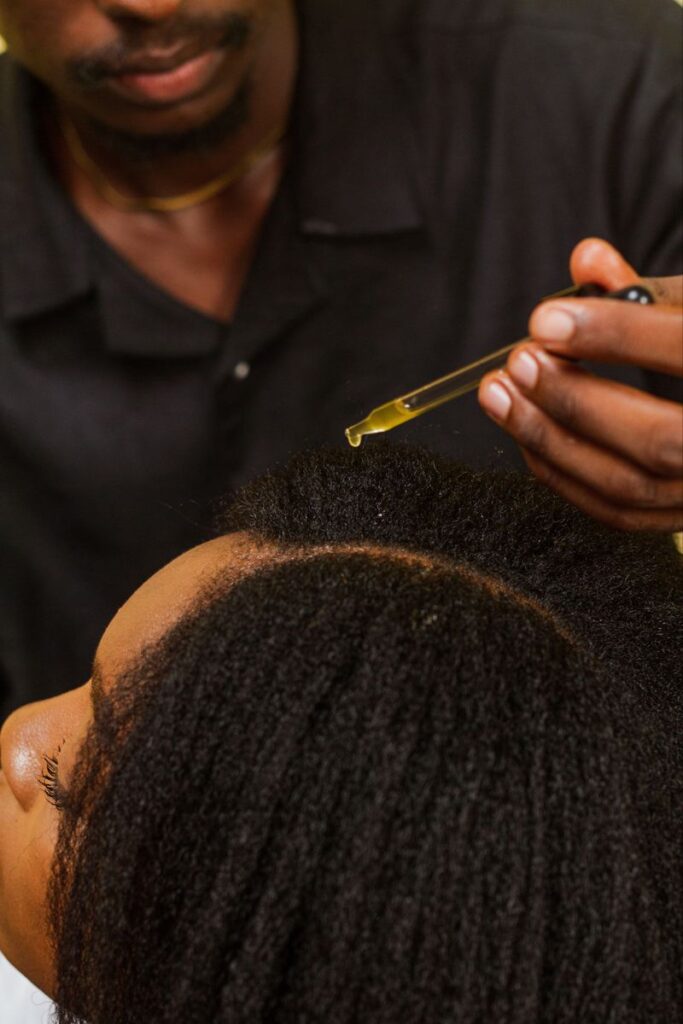
Why A Healthy Scalp Supports Longer Hair
An irritated or clogged scalp can weaken new growth before it even has a chance. This means hair may break close to the root, undoing months of progress quickly.
Keeping your scalp clean and stimulated protects growth from the very start.
Simple habits like regular massages and gentle cleansing go a long way here. These habits do not need to be complicated or time-consuming to work well.
Small, steady care beats occasional, intense treatments almost every single time.
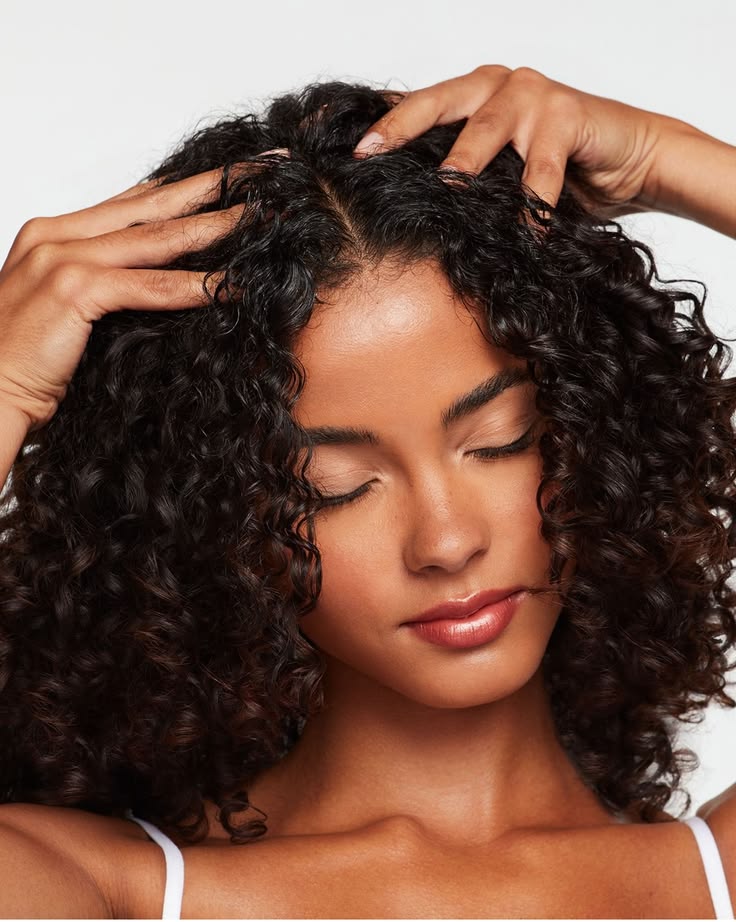
Recognizing Scalp Issues Before They Worsen
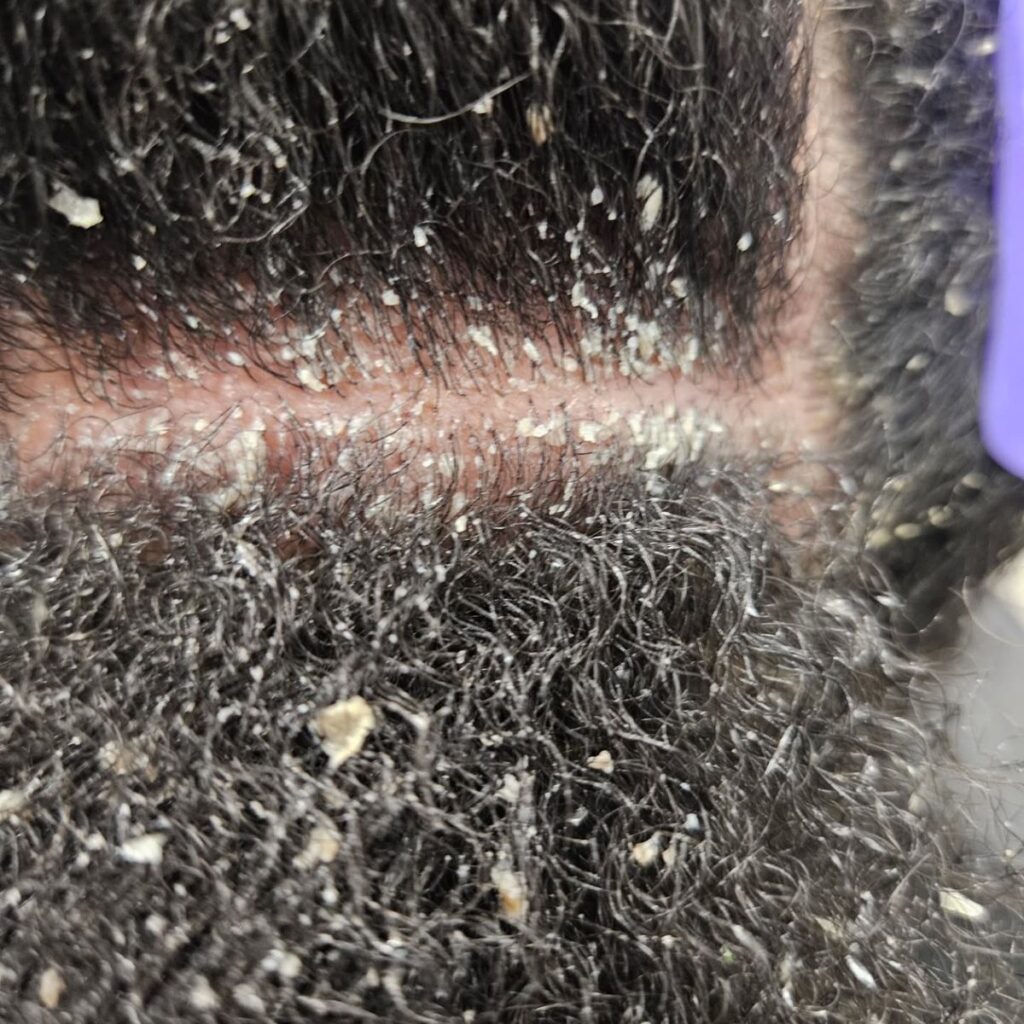
Persistent itching, flaking, or tenderness are all signs something needs attention soon.
Ignoring these signs for too long can lead to slower growth and more shedding. Addressing scalp issues early protects both comfort and long-term retention.
If home remedies do not resolve ongoing scalp problems, seeing a professional is worth considering.
Some scalp conditions need medical attention beyond what home care alone can fix.
Choosing Products That Support Retention
The right products make retention easier, while the wrong ones work against you constantly.
Harsh shampoos, heavy alcohols, and poor-quality conditioners can all contribute to breakage. Choosing wisely protects the effort you put into every other step.
The Best Shampoos For Afro Hair helps you avoid products that strip moisture unnecessarily from your strands.
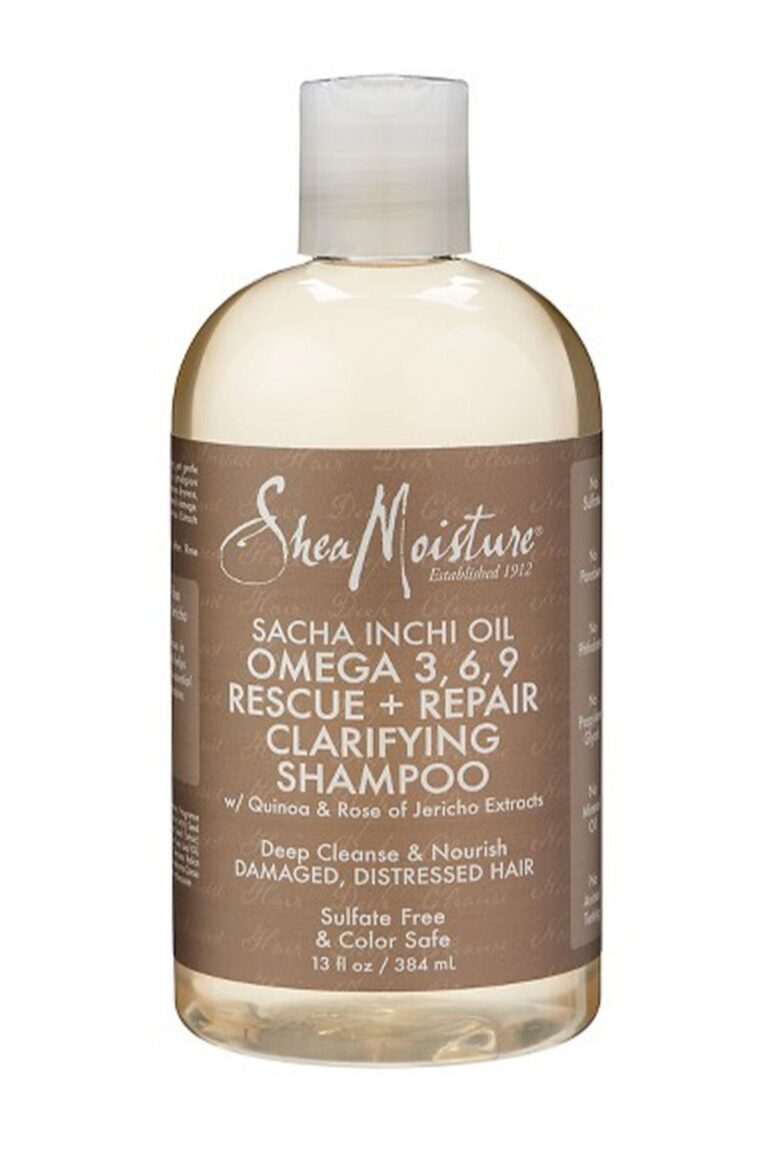
A gentle, sulfate-free formula usually works best for type 4 hair overall. Harsh cleansing undoes the moisture work you put in during the week.
Conditioners matter just as much, since they restore what shampoo takes away completely.
The Best Conditioners For Type 4 Hair can guide you toward options that actually strengthen your strands over time.
Sealants And Their Role In Retention
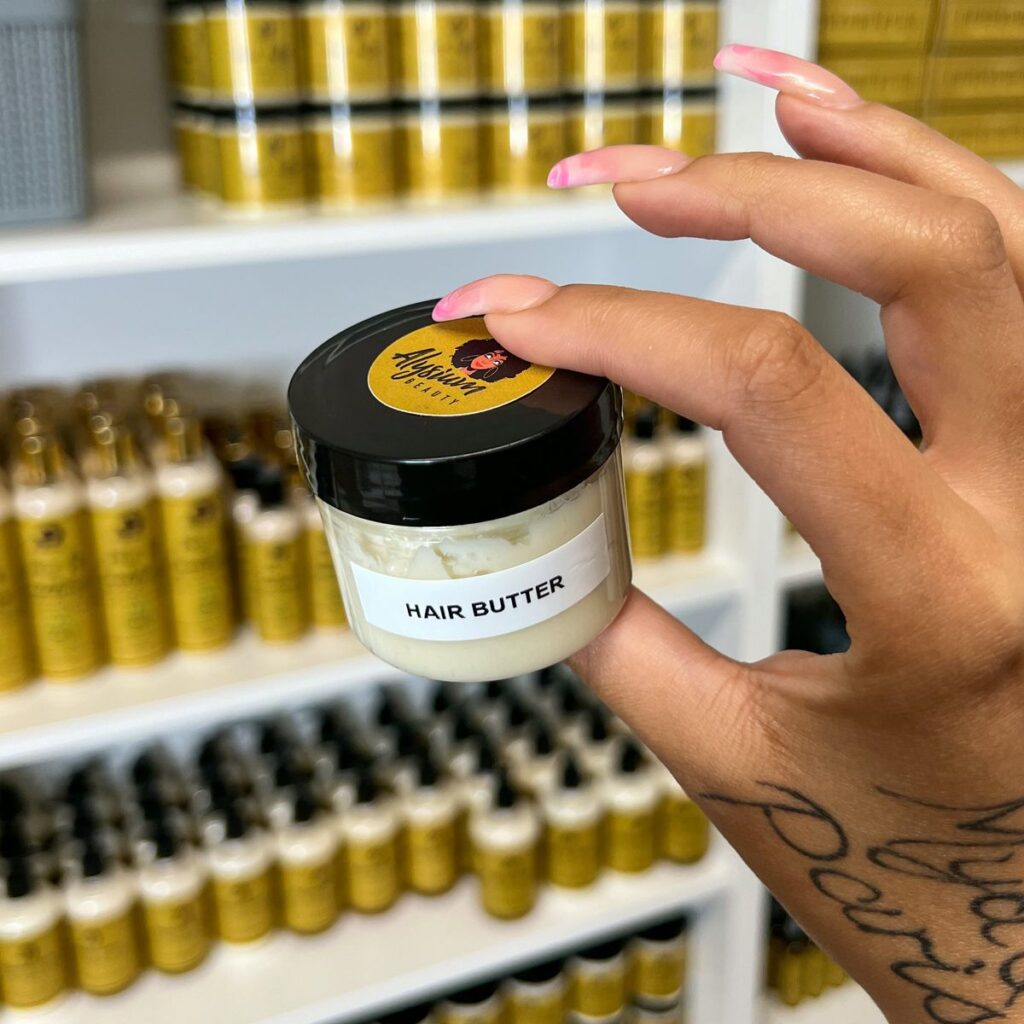
Choosing between a cream or butter can also affect how well your hair retains moisture.
Hair Cream vs Hair Butter: Which Should You Choose? explains which works best for different porosity types clearly.
The right sealant locks in moisture instead of just sitting on the surface.
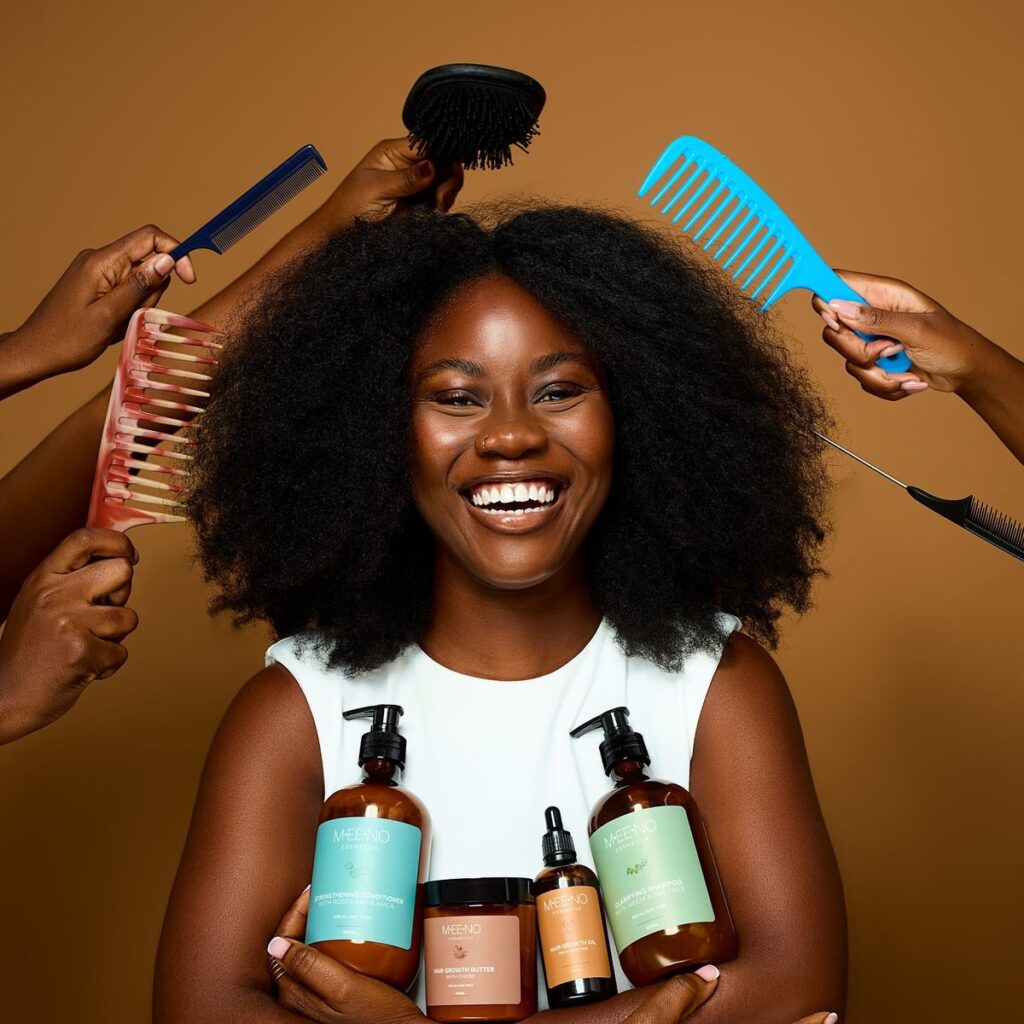
Beyond these basics, a well-rounded shelf supports retention more than any single “miracle” product ever could.
Must-Have Products For A Healthy Hair Routine lists the essentials worth having on hand at all times.
Ingredients Worth Watching For
Certain ingredients quietly work against retention, even in popular, well-marketed products.
Strong drying alcohols and heavy synthetic fragrances can irritate the scalp over time.
Reading labels carefully helps you avoid these hidden setbacks before they cause damage.
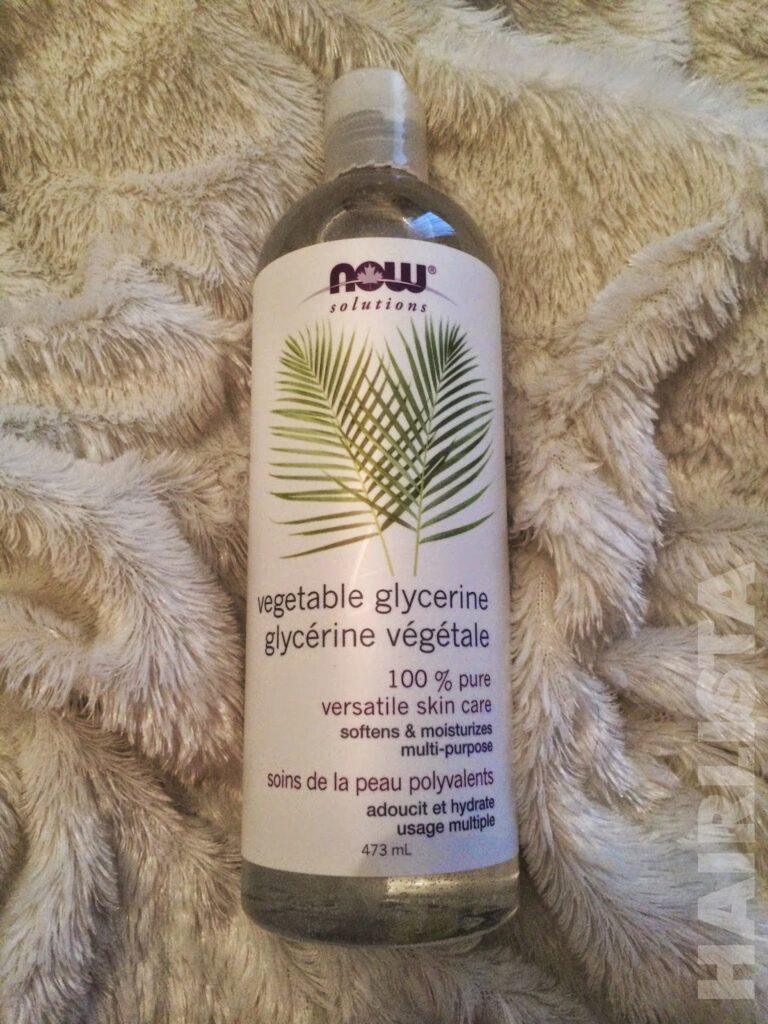
Look instead for humectants like glycerin, which draw moisture into the hair effectively. Natural oils and butters that seal without heaviness also support retention well overall.
A simple, well-chosen product lineup often outperforms an expensive, complicated one entirely.
Trimming And Its Role In Length Retention
Trimming feels counterintuitive to a lot of naturalistas chasing length aggressively.
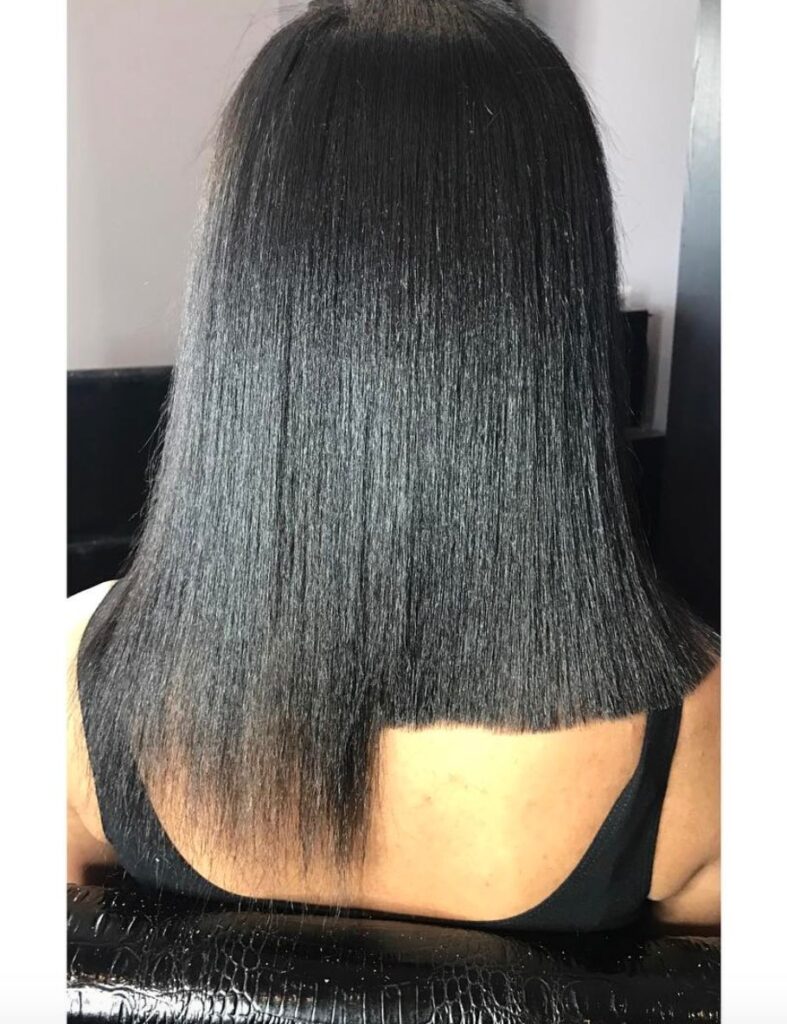
Cutting hair to grow more hair sounds backward at first glance. But regular trims remove damaged ends before they travel further up the strand.
Split ends left untreated will keep splitting higher up the hair shaft over time. This damage eventually causes more breakage than a small trim ever would.
A trim every few months protects far more length than it actually removes.
How Often Should You Trim
There is no universal trim schedule that works well for everyone equally. Hair that sees more heat or manipulation may need trims more often than usual.
Healthier, well-protected hair can often go longer between trims comfortably and safely.
Check your ends regularly instead of relying only on a fixed schedule always. If ends feel rough, thin, or tangle excessively, it may be time for a trim.
Listening to your hair works better than following a strict calendar blindly.
Signs You Might Be Overdue For A Trim
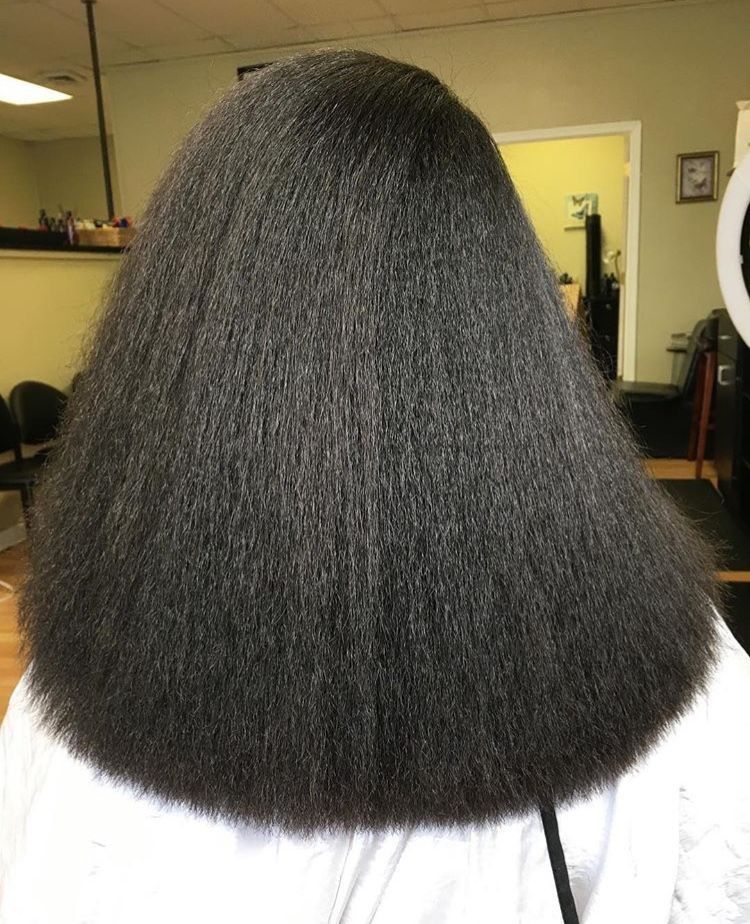
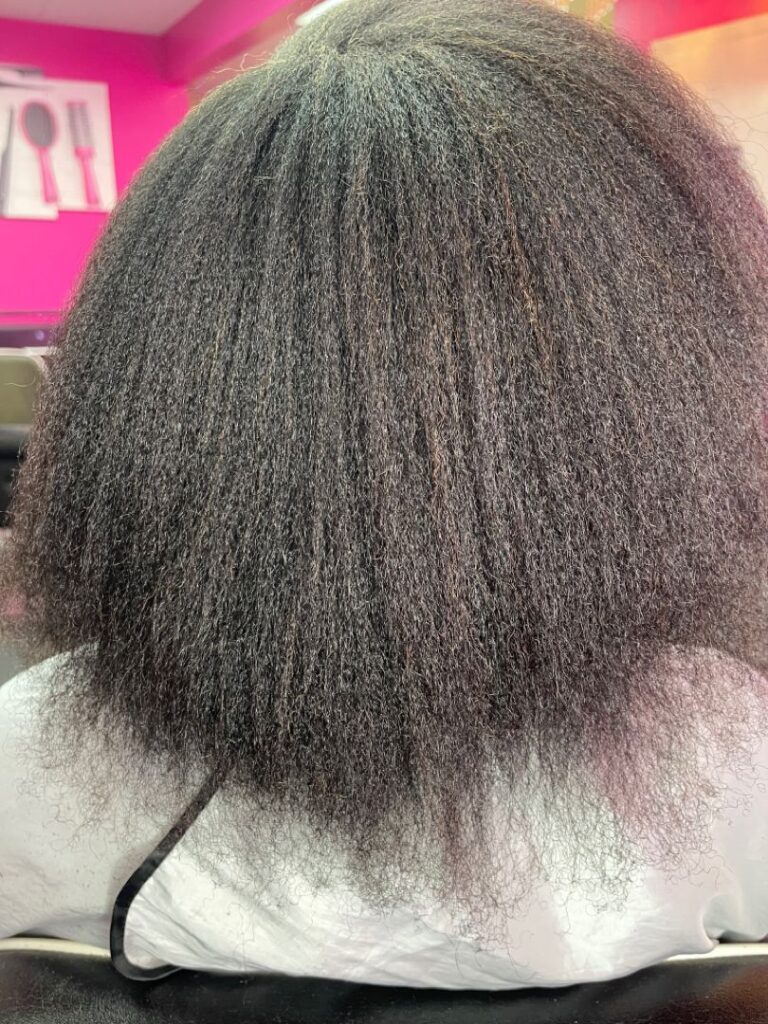
Ends that constantly tangle, even right after detangling, often signal damage building up.
Hair that feels noticeably weaker at the tips than at the roots needs attention too. Catching these signs early keeps small damage from spreading further up your strands.
Diet, Health, And Retention
Hair health reflects what is happening inside your body just as much as outside. Poor nutrition, stress, and certain health conditions can all affect strand strength directly.
Retention efforts work best when paired with basic self-care habits daily.
Drinking enough water supports hair elasticity from the inside out consistently. Protein-rich foods help maintain strong, resilient strands over time as well.
These habits are simple, but their effect on retention is often underestimated.
Sleep and stress levels matter too, more than most people ever realize. High stress can trigger extra shedding, which directly affects visible length eventually.
Managing stress is not just good for you, it is good for your hair too.

Small Lifestyle Changes That Support Retention
Regular exercise improves blood circulation, which can support healthier hair growth over time.
Eating a variety of fruits and vegetables supports overall body health, including your hair. These changes do not need to be extreme to make a real difference.
Consistency in lifestyle habits often mirrors consistency in hair care habits too. People who care for their bodies well often find hair care easier to maintain.

Common Mistakes That Undo Retention Progress
Even careful naturalistas fall into habits that quietly sabotage their retention efforts unknowingly.
Over-washing without proper conditioning strips moisture faster than it can be restored. This leaves hair dry and more prone to snapping unexpectedly.
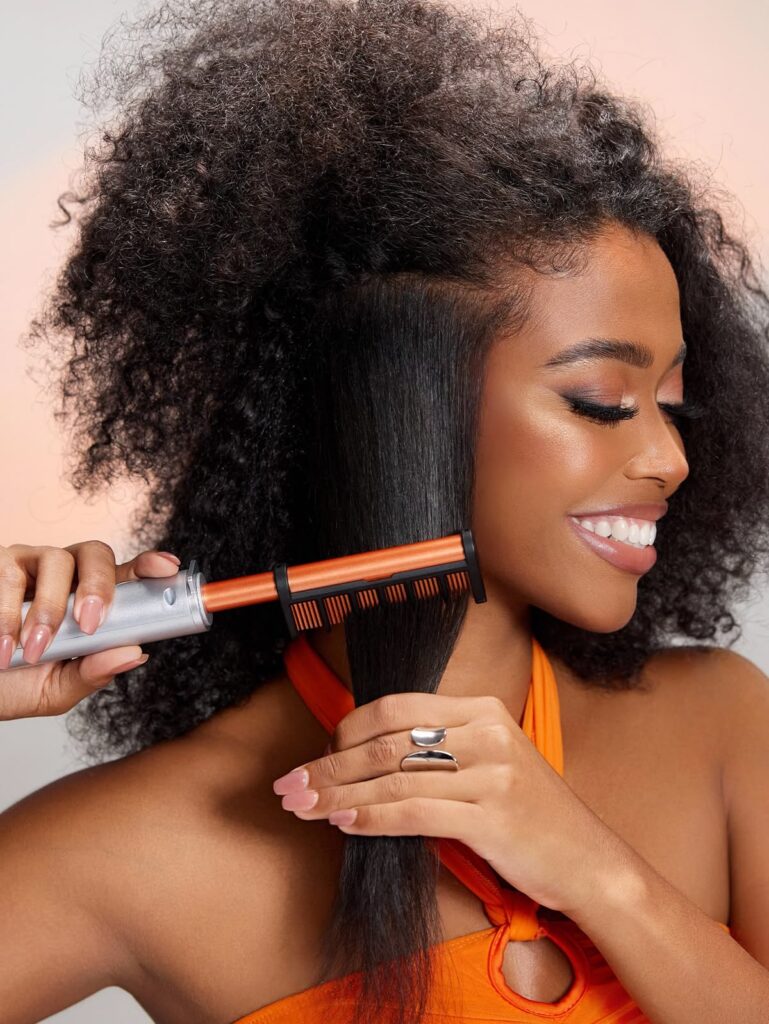
Using too much heat too often is another common setback for many people. Heat weakens the hair’s structure gradually, even with heat protectant applied consistently.
Reducing heat styling frequency preserves the strength retention depends on entirely.
Style Choices That Work Against You
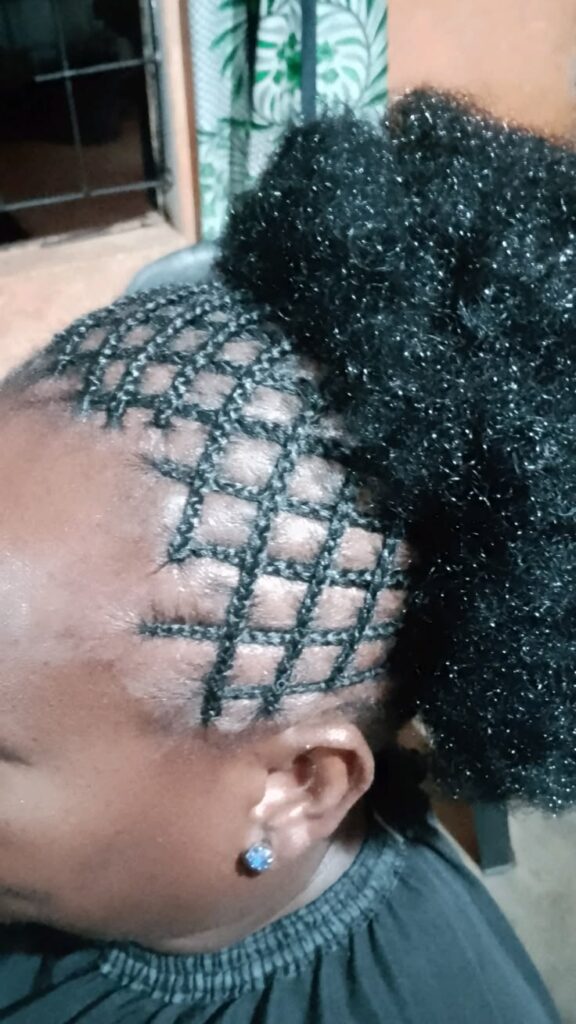
Wearing the same tight hairstyle repeatedly puts constant stress on the same areas daily.
This often shows up as thinning near the hairline or temples first noticeably.
Rotating styles and reducing tension protects these vulnerable areas over time effectively.
Ignoring your hair’s reaction to products is another quiet mistake people make often.
If a product consistently leaves your hair feeling dry or stiff, it is not working. Continuing to use it anyway only slows down your retention progress further.
The Danger Of Comparing Your Progress
Comparing your retention journey to someone else’s can quietly hurt your motivation.
Different hair types, routines, and starting points make comparisons mostly unfair and inaccurate.
Focus on your own progress instead of measuring against someone else’s timeline.
Quick Answers To Common Questions
A few questions come up repeatedly from people focused on retention specifically.
Does retention mean my hair will never break at all? No, some breakage is normal and expected with daily wear and handling.
The goal is minimizing unnecessary breakage, not eliminating it completely.
Can protective styles alone guarantee retention on their own? Not on their own, no.
Protective styles help, but poor maintenance underneath them can still cause damage.
How long does it take to notice retention progress clearly? Most people notice a difference within three to six months of consistent care.
Longer-term changes become clearer closer to the one-year mark typically.
Is retention harder for certain porosity types than others? Low porosity hair often retains moisture longer once hydrated properly and consistently.
High porosity hair loses moisture faster and may need more frequent care overall.
Does hair color or chemical treatment affect retention negatively? Yes, chemical processes like coloring or relaxing can weaken hair structure over time.
Extra care, including deep conditioning, becomes even more important for treated hair.
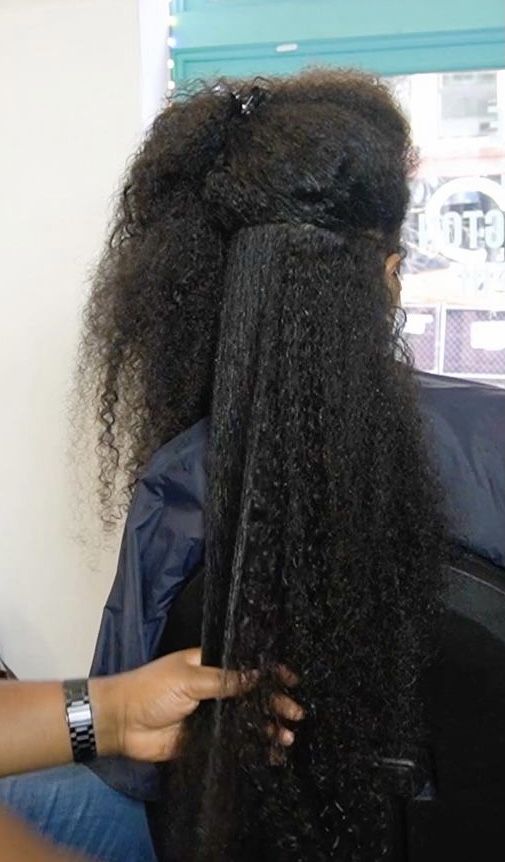
A Few Final Things Worth Knowing
Length retention is not about one big change, but many small, consistent habits combined.
Moisture, gentle handling, scalp care, and the right products all work together closely. Skipping any one of these areas slows down the progress of the rest.
Trims, protective styles, and good nutrition all play supporting roles too, quietly. None of these steps work well in isolation, since hair health is connected from root to tip.
Consistency across all of them is what produces real, visible results over time.
Growth will always happen on its own timeline, but retention is something you control daily. Focus your energy there, and the length you want will follow naturally over time.