
The Truth About Hair Growth Oils
Disclosure: Some of the links in this post are affiliate links. This means if you click on the link and purchase an item, I will receive an affiliate commission at no extra cost to you.
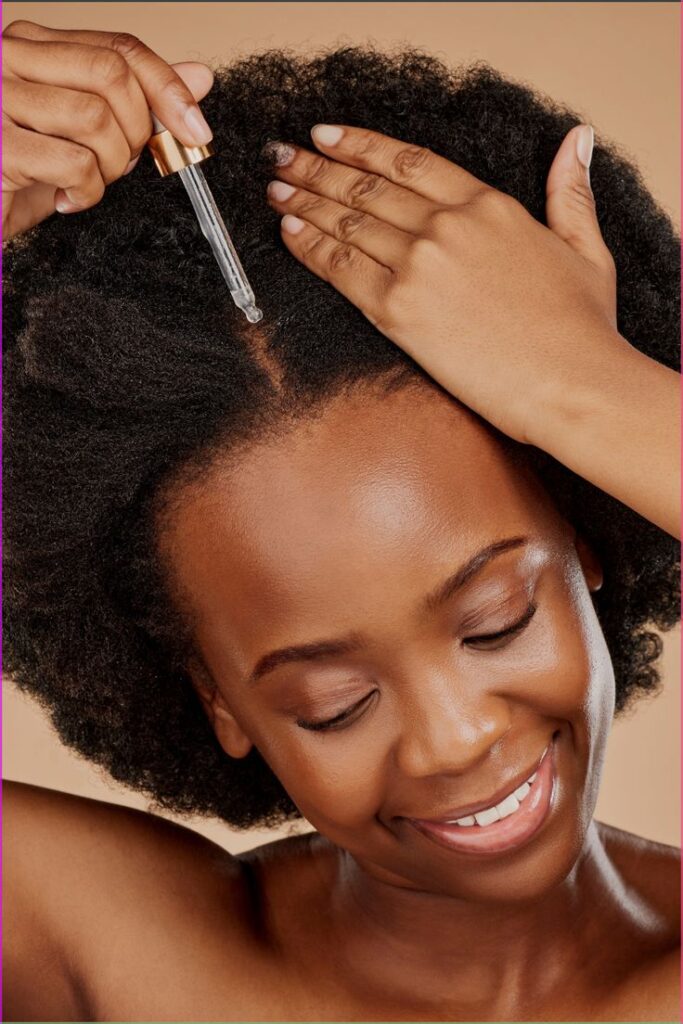
You should understand that not all oil is good for your hair. Not because your friend is using it you should too. You might have the same hair type with them but not the same scalp.
This is something I explain to almost every client who walks into my shop. They come holding a bottle someone recommended, expecting instant miracles from it. But oil that works beautifully for one head can do nothing for another.
Your scalp, your porosity, and your specific needs all decide what actually works. A client once used castor oil daily for six months, copying her cousin exactly. Her cousin’s hair thrived on it, but hers stayed dry and started shedding more.
Once we switched her routine to suit her own scalp, things finally changed. This post breaks down what oils can really do, and what they cannot. If you have not read Understanding Type 4 Hair: A Complete Guide, that is worth reading first.
The Truth About Hair Growth Oils
Why People Believe Oils Grow Hair
Oils have been part of hair care traditions for generations, passed down through families.
This history makes people trust oils deeply, sometimes without questioning how they actually work.
But tradition alone does not always match what modern hair science tells us.
Marketing has also played a big role in this belief over the years. Bottles labeled “growth oil” suggest a direct link between the product and longer hair.
In reality, most oils support the hair you already have rather than creating new growth.
This does not mean oils are useless, far from it actually. It means understanding their real role helps you use them correctly.
Expecting the wrong outcome only leads to disappointment and wasted money over time.

Where This Misunderstanding Often Starts
Many people first hear about growth oils through social media videos and reviews. A dramatic before-and-after photo often gets shared without real context behind it.
Lighting, styling, and even extensions can create misleading impressions of growth.
Understanding your own hair’s growth pattern helps you separate real results from clever marketing.
How To Grow Healthy Afro Hair Without Chasing Length explains what genuine progress actually looks like over time.
Comment sections under these videos often reinforce the excitement, with people sharing similar hopeful stories.
This creates a feedback loop that makes exaggerated claims feel more believable than they truly are.
Staying grounded in what oil can realistically do protects you from repeating the same cycle.
What Oils Can Actually Do For Your Hair
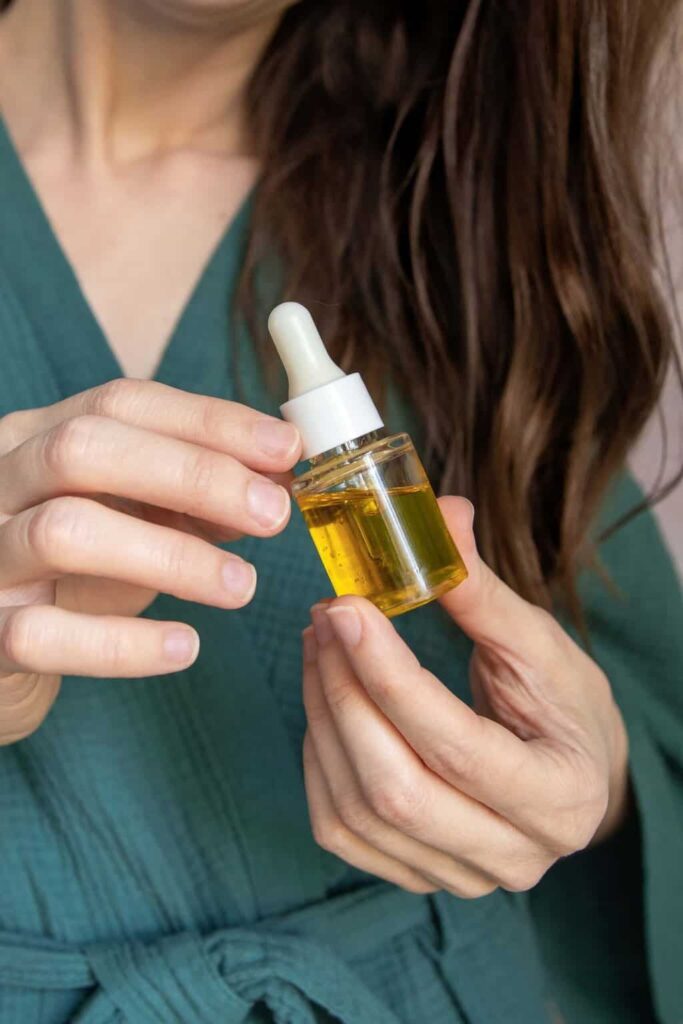
Oils work mainly on the surface and along the length of each strand. They cannot penetrate the scalp deeply enough to directly stimulate new follicles.
Their real strength lies in protecting and preserving the hair that is already there.
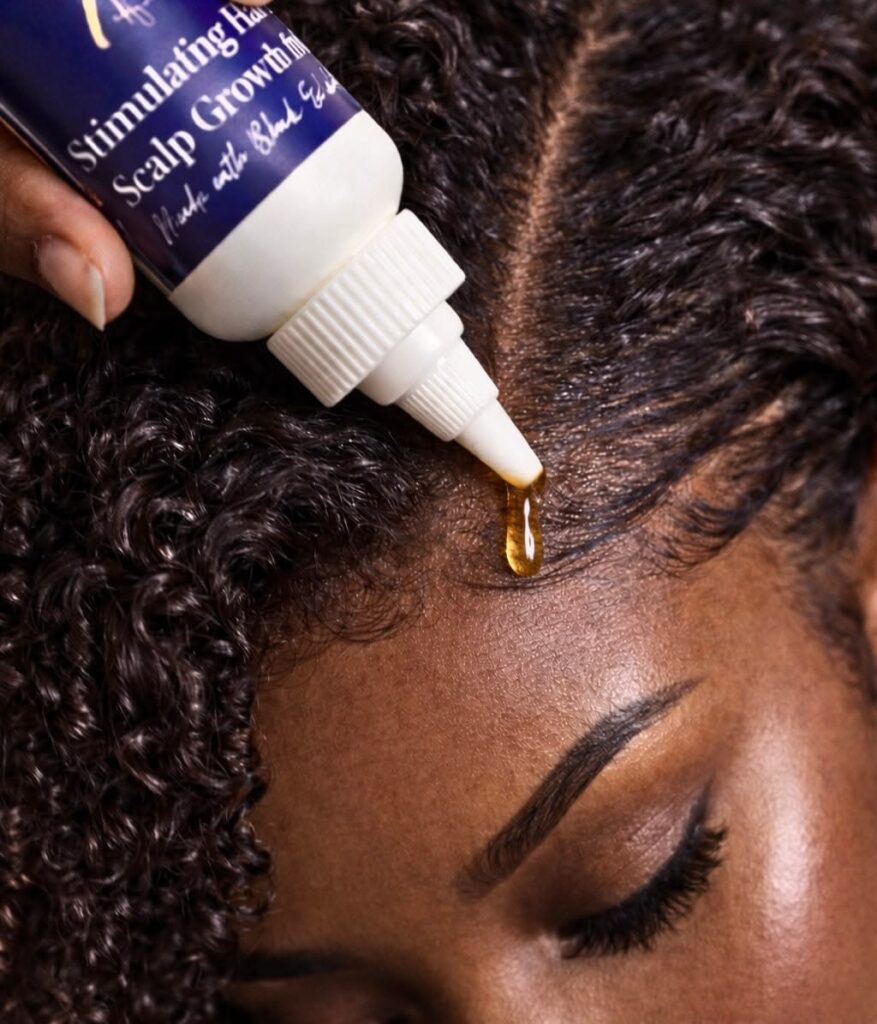
A good oil helps seal in moisture after washing or applying a leave-in product. This sealing effect reduces water loss, which keeps strands soft and less prone to breakage.
Less breakage naturally means better length retention over time, even without extra growth.
Save this for later: Length Retention Tips Every Naturalista Should Know
Reducing Friction And Protecting Strands
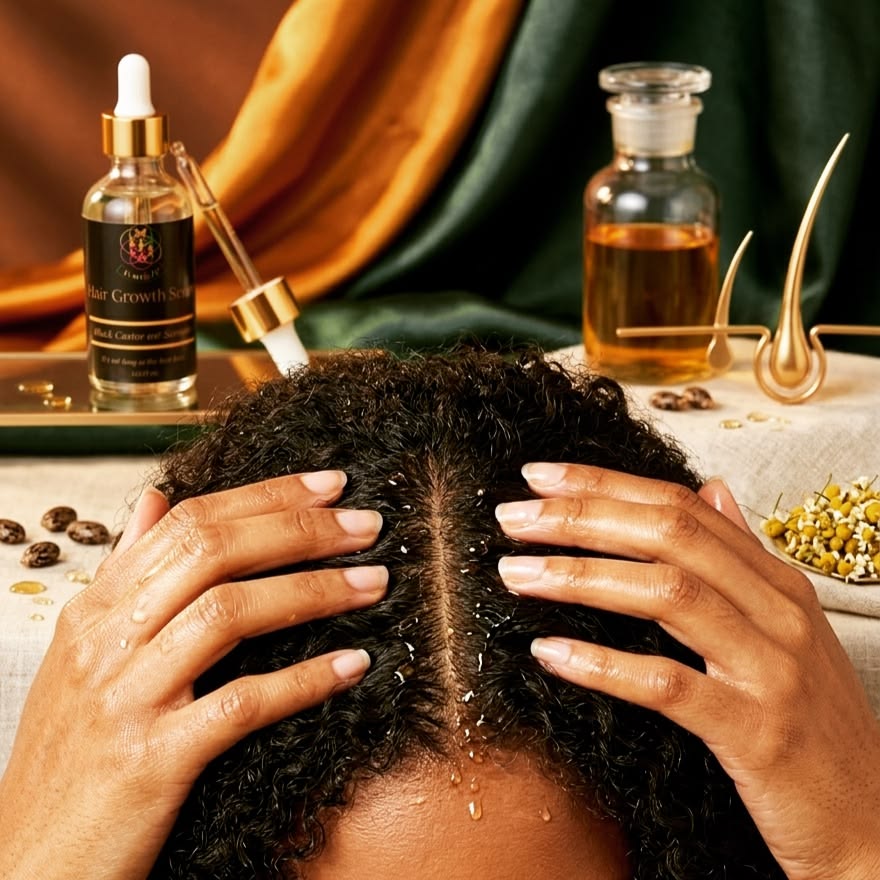
Oils also reduce friction between strands during detangling and styling sessions. This lubrication effect makes combing gentler, especially on tightly coiled type 4 hair.
Less friction during handling means fewer broken strands over each wash day.
Some oils also add a protective layer against everyday environmental stress. This includes sun exposure, dry air, and friction from pillowcases or scarves.
None of these effects mean growth, but they all support the length you already have.
What Oils Cannot Do
It is important to be honest about the limits of what oil can offer. Oils cannot fix a poor diet, chronic stress, or an underlying health condition.
They also cannot replace water when it comes to actual hydration.
Take a peek: What Is Hair Porosity and Why Does It Matter?
The Myth Of Overnight Growth
No oil, no matter how expensive or popular, can add inches overnight. Hair grows through a biological process that oils simply do not control directly.
Claims suggesting otherwise are almost always exaggerated or simply untrue.
A friend of mine once used three different growth oils together, hoping for faster results. She saw no extra growth, only a greasy scalp and clogged follicles eventually.
This taught her that more product does not mean more progress.
Why Some People See “Growth” After Using Oil
When people report growth after starting an oil, it is often reduced breakage they are noticing. Their hair was already growing normally, but breakage was hiding that progress before.
Once breakage slows down, existing length simply becomes more visible over time.
This is a subtle but important distinction worth understanding fully. It shifts your expectations from chasing growth to protecting what you already have.
Understanding Your Scalp Before Choosing An Oil
Your scalp condition should guide which oils you choose, not trends or reviews. An oily scalp needs different support than a dry, flaky one does.
Ignoring this difference often leads to disappointing or even harmful results.
Bookmark this post: Healthy Scalp Habits For Faster Hair Growth
Oils For Dry Scalps
Dry scalps often benefit from lightweight oils that absorb without feeling heavy. Jojoba oil closely resembles natural sebum, making it gentle for most dry scalps.
Grapeseed oil is another light option that rarely feels greasy after application.
Oils For Oily Scalps
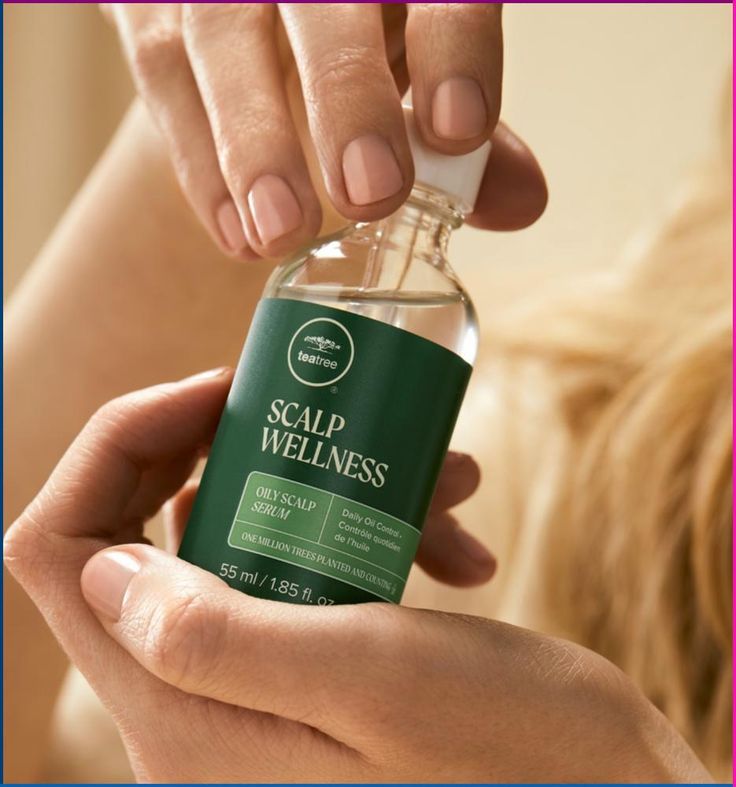
Oily scalps do better with minimal oil applied directly at the roots. Focusing oil application on the length instead helps avoid excess buildup near the scalp.
Tea tree oil, used sparingly, can also help balance oil production for some people.
Oils For Sensitive Or Reactive Scalps
Sensitive scalps may react poorly to strong essential oils or heavily fragranced products. Patch testing any new oil on a small area first reduces the risk of irritation.
If redness, itching, or discomfort appears, discontinue use immediately without hesitation.
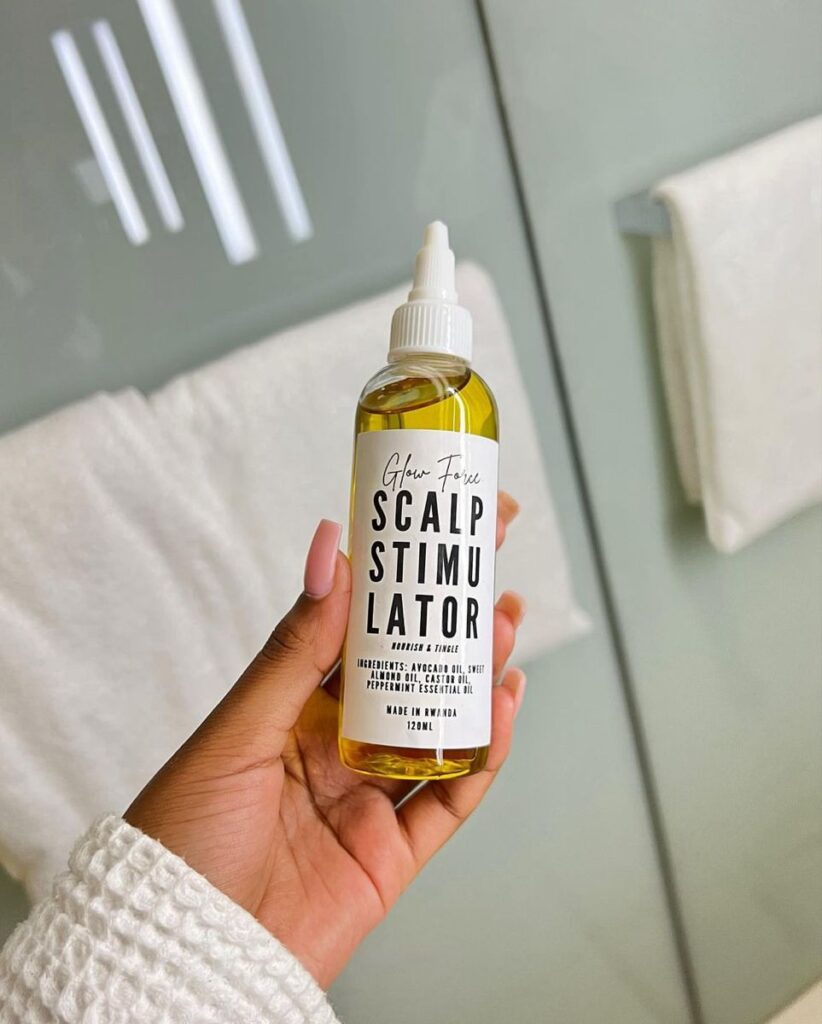
Common Oils And What They Actually Offer
Understanding specific oils helps you make more informed choices for your own hair. Different oils offer different benefits, and none of them work identically.
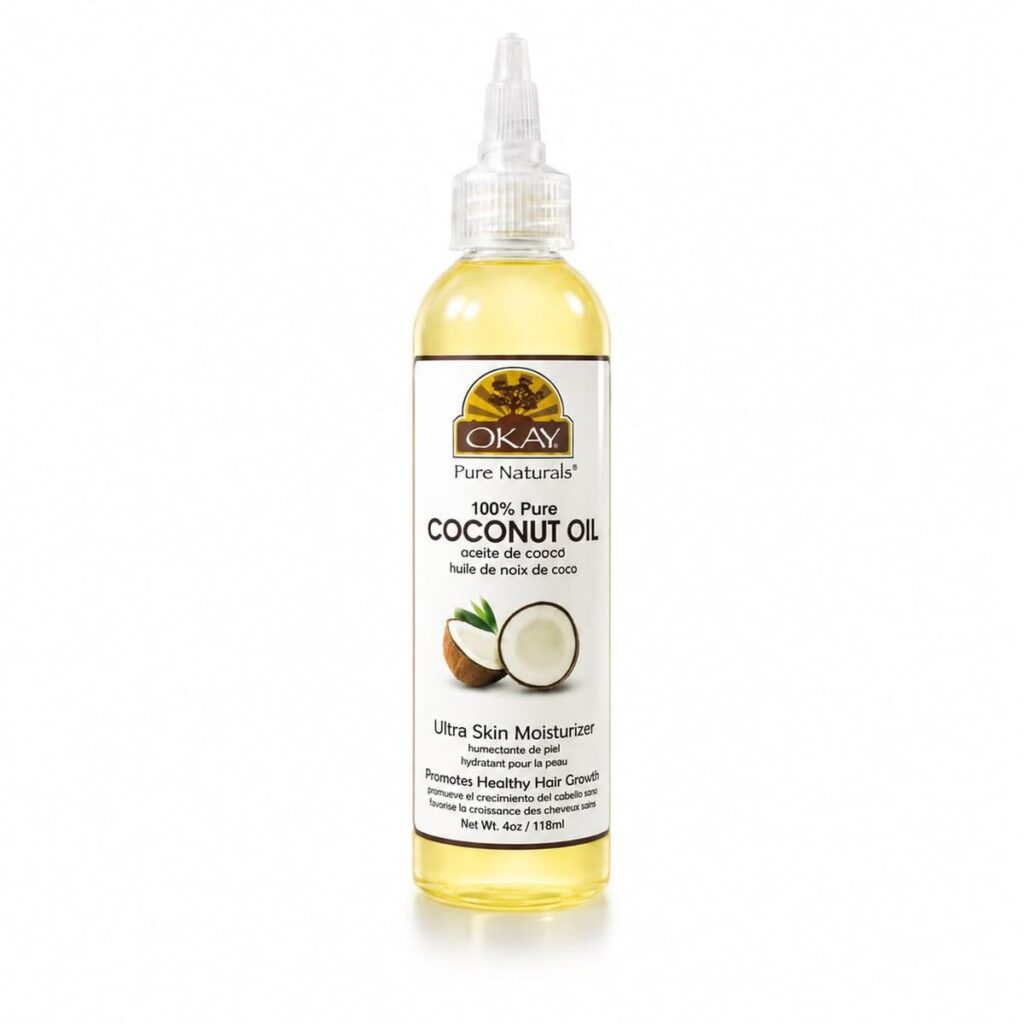
Coconut Oil
Coconut oil is well known for its ability to penetrate the hair shaft somewhat. This can help reduce protein loss during washing, especially for higher porosity hair.
It works best as a pre-wash treatment rather than a daily leave-in oil.
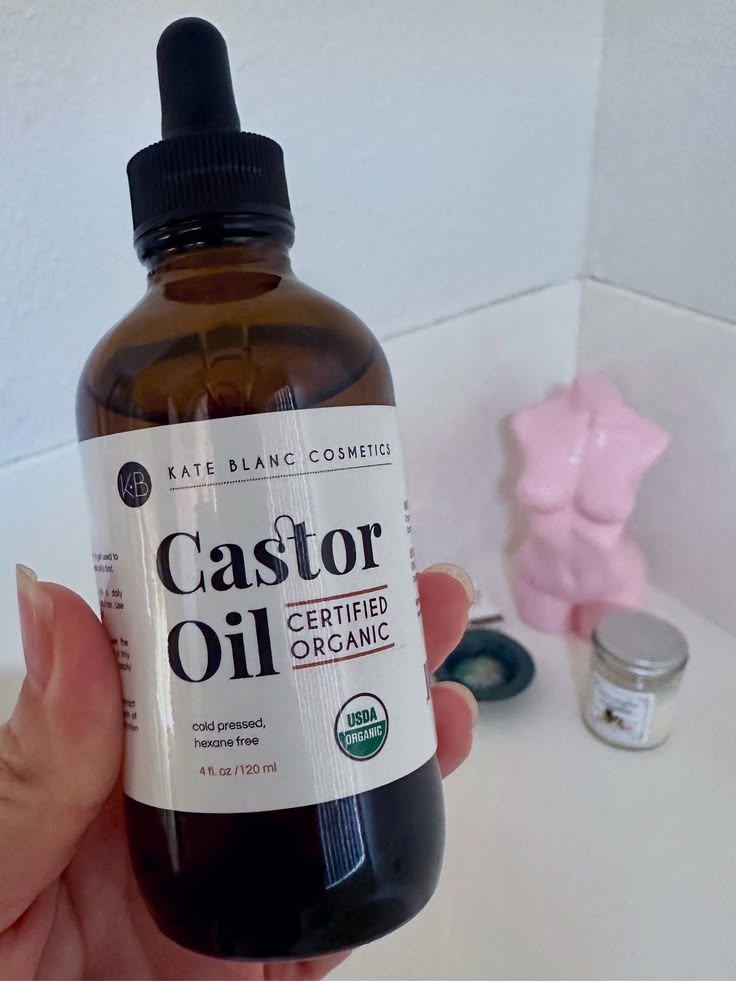
Castor Oil
Castor oil is thick and often marketed heavily for growth, despite limited scientific backing. Its main benefit is sealing moisture and adding shine to already healthy strands.
Overuse can lead to buildup, especially on finer or lower density hair.
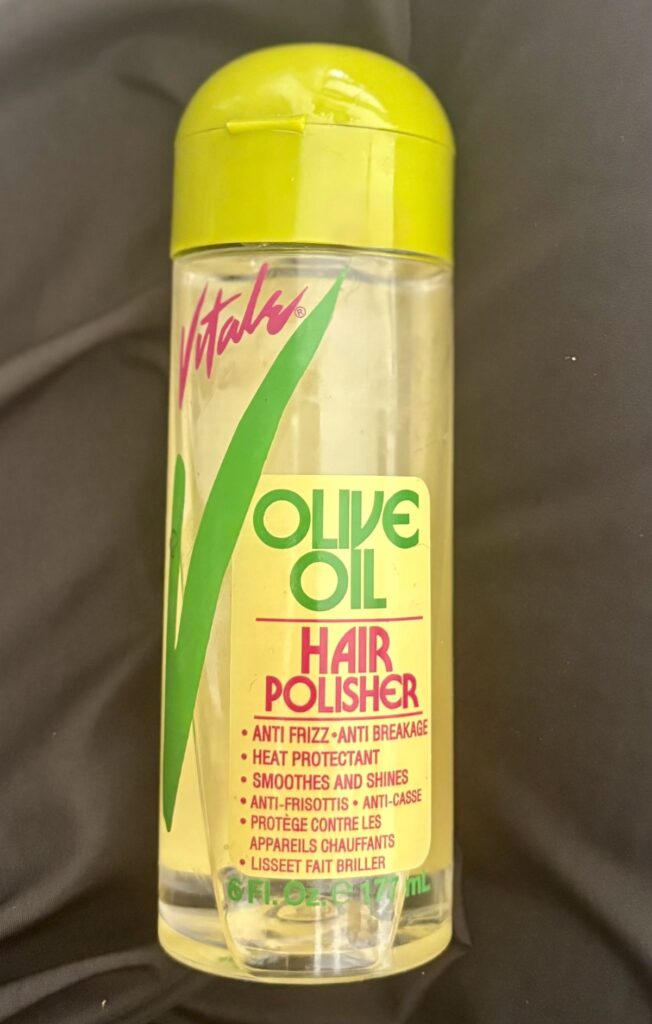
Olive Oil
Olive oil offers decent sealing properties but can feel heavy for some hair types. It works well combined with lighter oils rather than used entirely on its own.
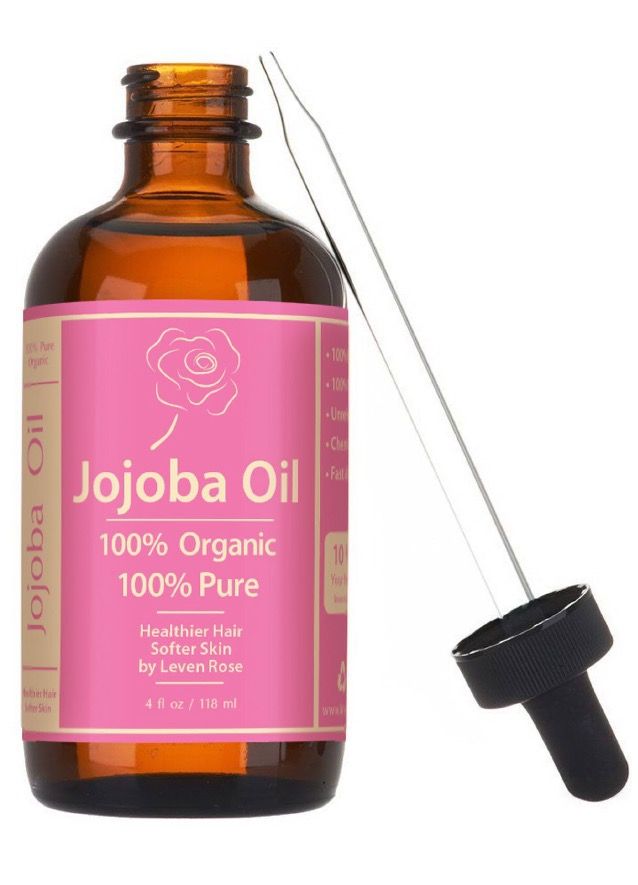
Jojoba Oil
Jojoba oil closely mimics natural scalp sebum, making it suitable for many scalp types. It absorbs quickly and rarely leaves a heavy or greasy residue behind.
Worth a look: 4A vs 4B vs 4C Hair Explained
How To Use Oils Correctly
Using oil correctly matters just as much as choosing the right one. Applying oil the wrong way can reduce its benefits or even cause harm.
Always Apply To Damp Hair
Applying oil to completely dry hair rarely provides real benefit for most textures. Damp hair allows the oil to seal in moisture that is already present.
This simple habit makes a noticeable difference in how effective your oil feels.
Don’t miss this: Low Porosity Hair Routine
Warm Your Oil Before Application
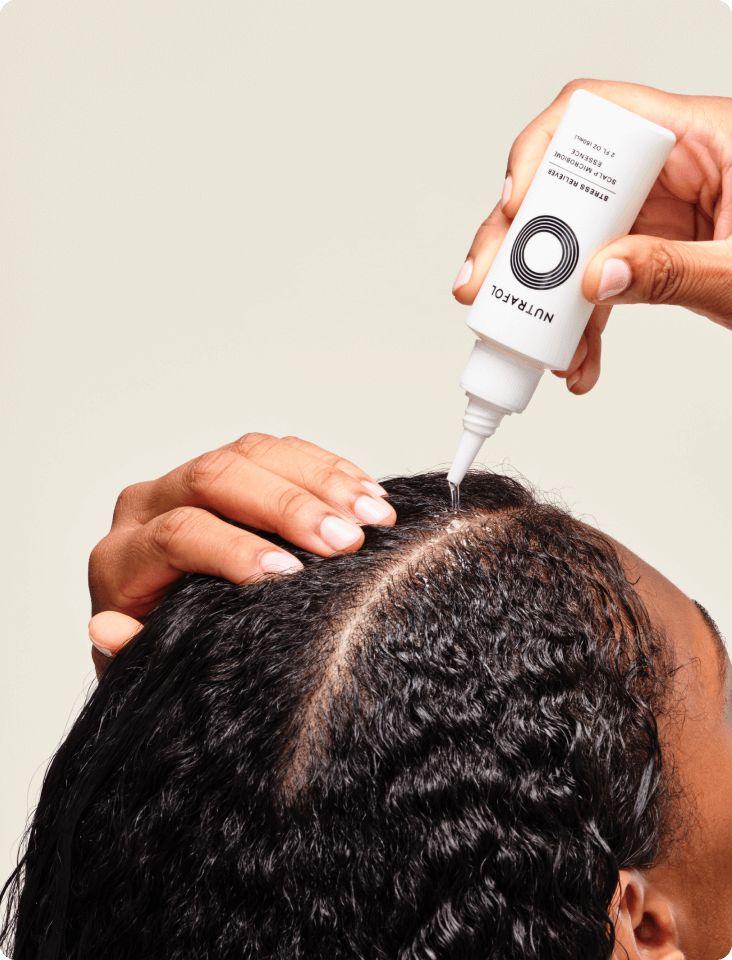
Slightly warming oil before applying it can help it absorb more evenly. This also makes the application feel more soothing during a scalp massage session.
Avoid overheating, since very hot oil can burn sensitive skin quickly.
Do Not Overapply
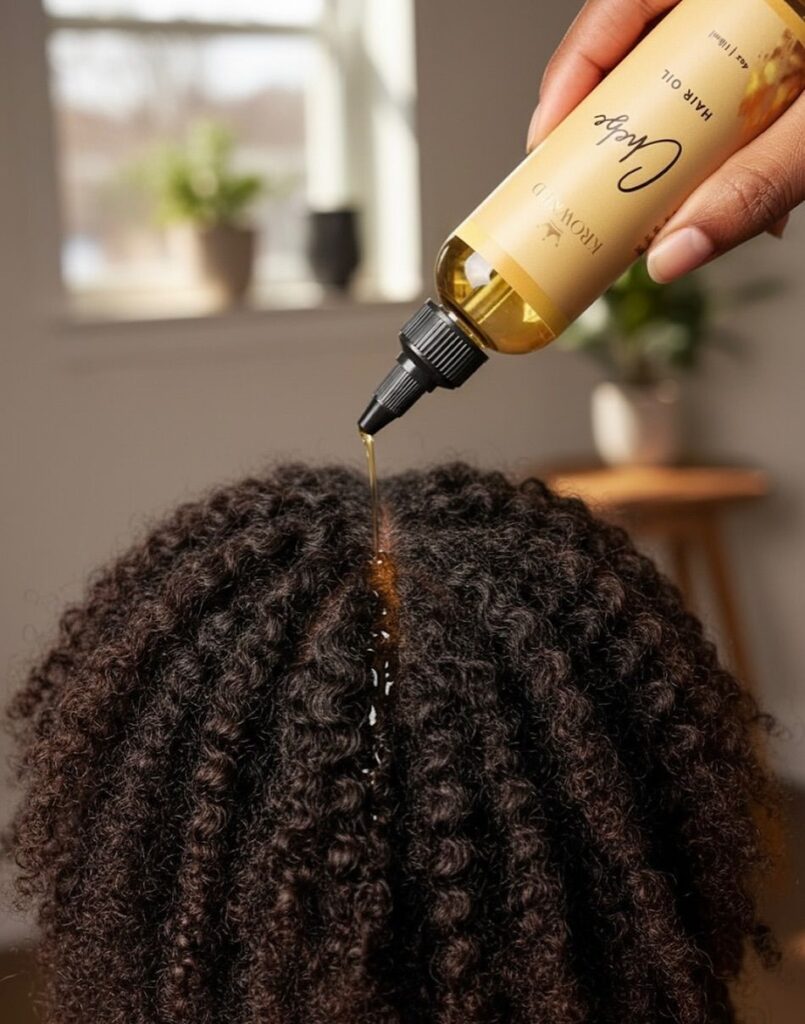
More oil does not always mean better results for your hair or scalp. Overapplication often leads to heaviness, buildup, and a dull, greasy appearance.
A small amount, applied consistently, usually outperforms large amounts applied occasionally.
Choosing Oils Based On Porosity
Porosity affects how your hair absorbs and holds any product, including oil. Understanding this helps you choose oils that actually work with your hair’s behavior.
Low Porosity Hair And Oils
Low porosity hair often struggles to absorb thick oils, leaving them sitting on top. Lighter oils, applied to damp hair, tend to work better for this porosity type.
Heat can also help open the cuticle slightly, improving absorption for low porosity strands.
Read this next: The Best Conditioners For Type 4 Hair
High Porosity Hair And Oils
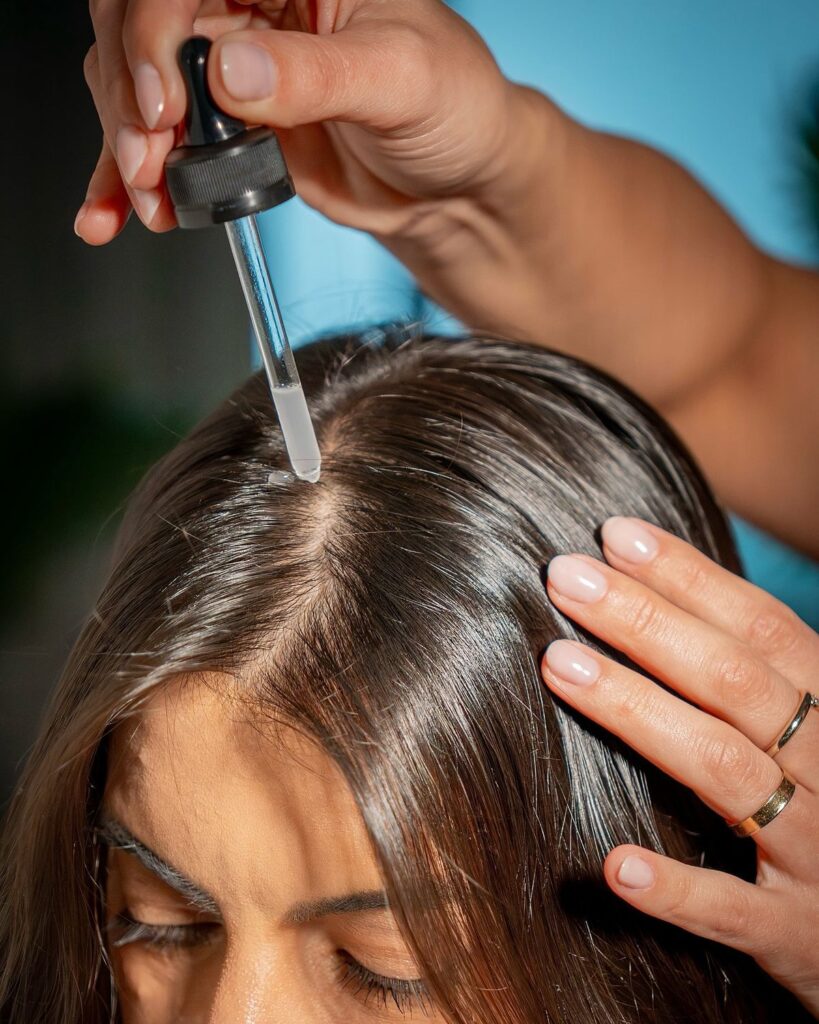
High porosity hair absorbs oils quickly but can also lose moisture just as fast. Heavier oils and butters help seal this porosity type more effectively than light oils alone.
Layering oil after a leave-in cream gives high porosity hair extra staying power.
Oils Versus Other Sealants
Oil is not the only option for sealing moisture into your hair. Creams, butters, and gels all serve similar purposes in different ways.
Explore more ideas: Hair Cream vs Hair Butter: Which Should You Choose?
When Oil Alone Is Not Enough
Very dry hair often needs more than oil alone to stay properly moisturized. Combining oil with a cream or butter often gives more complete, lasting results.
Relying on oil exclusively can leave some hair types feeling under-moisturized despite regular use.
Building Oils Into A Full Routine
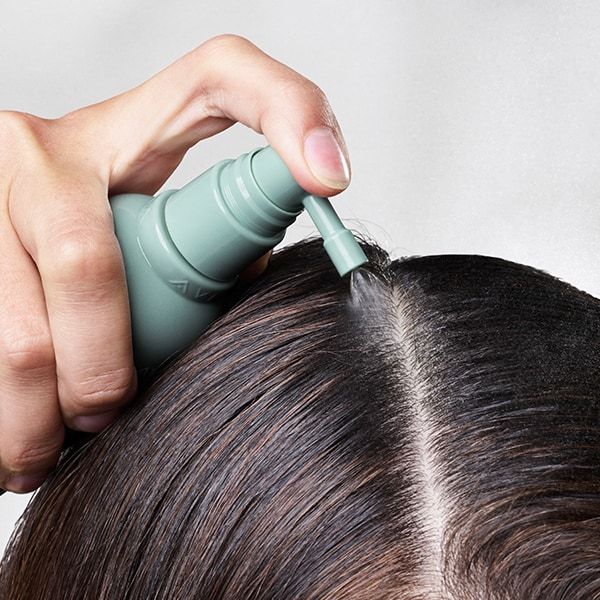
Oils work best as one part of a complete hair care routine, not a standalone fix. Pairing them with proper cleansing, conditioning, and moisturizing produces far better results.
Pin this for later: The Best Hair Growth Routine For Afro Hair
A Simple Way To Incorporate Oil
Use oil as a pre-wash treatment before shampooing on wash day. Apply a lighter oil daily or every few days as part of your sealing step.
Reserve heavier oils for nighttime use or for sealing protective styles.
Take a peek: The Best Detangling Brushes For Afro Hair
Detangling with a small amount of slip-inducing oil can also reduce breakage during the process.
This combination approach uses oil’s real strengths without expecting it to do everything alone.
Reading Product Labels For Real Oil Content
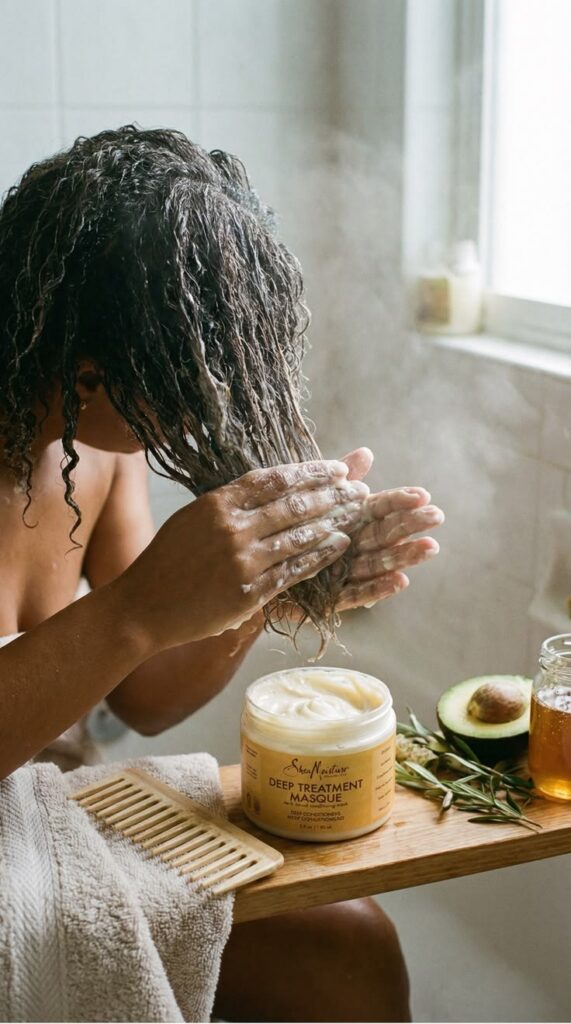
Many commercial “growth oils” contain very little actual oil at all. Fillers, silicones, and fragrance often make up a large portion of the bottle.
Learning to read labels helps you avoid paying for mostly water and scent.
What To Look For
Check that a real, recognizable oil appears near the top of the ingredient list. Avoid products where oil is listed far down, after several fillers and chemicals.
A shorter, simpler list often signals a more genuine, effective product overall.

Avoiding Common Marketing Tricks
Words like “fast growth” or “miracle formula” should raise your skepticism immediately. No single product can override genetics, health, or basic hair care fundamentals.
Reasonable, honest marketing usually focuses on moisture, shine, or scalp comfort instead.
Common Mistakes People Make With Growth Oils
Even well-intentioned naturalistas fall into avoidable mistakes with their oils. Recognizing these mistakes helps you get more value from every bottle you buy.
Expecting Oil To Replace A Full Routine
Some people rely on oil alone, skipping cleansing, conditioning, and proper moisturizing entirely.
This imbalance often leads to buildup and disappointing results over time. Oil supports a routine, but it was never meant to replace one.
Using Too Many Oils At Once
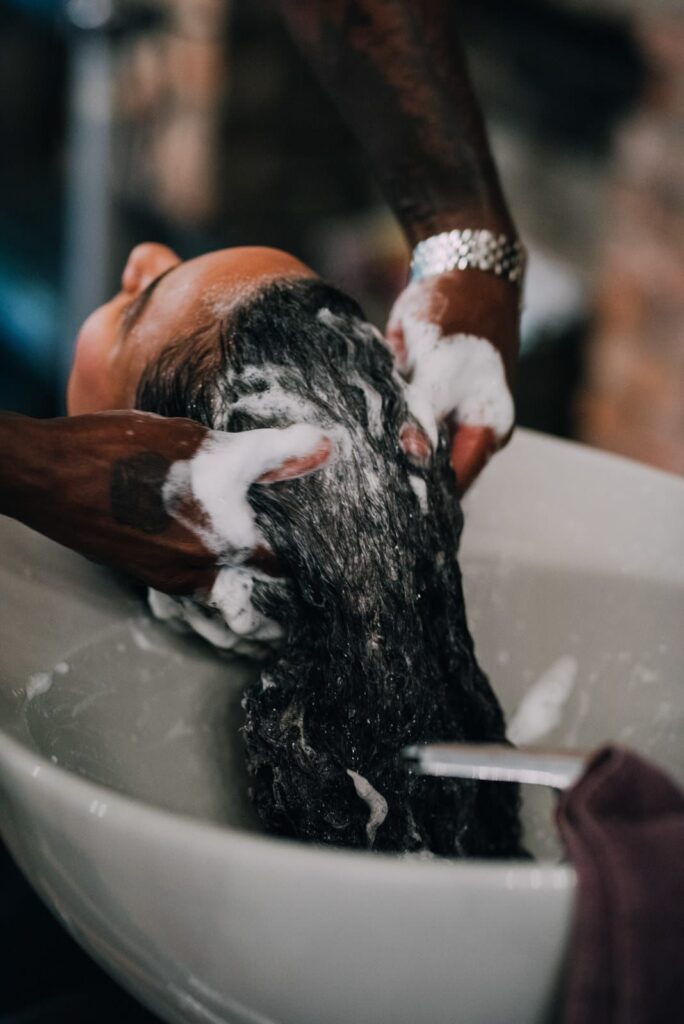
Mixing several oils together, hoping for combined benefits, often backfires quietly. This can overwhelm the scalp and lead to unnecessary buildup near the roots.
Stick to one or two well-chosen oils rather than an ever-growing collection.
Ignoring How Your Hair Actually Responds
Continuing to use an oil that leaves your hair feeling dry or heavy rarely helps. Pay attention to how your hair and scalp respond after each use.
Switching to a better-suited oil often solves problems that seemed stubborn before.
My sister once switched oils five times in one month, confusing her scalp completely.
Slowing down and sticking with one lighter oil for several weeks finally showed clear results.
Seasonal Adjustments To Your Oil Routine
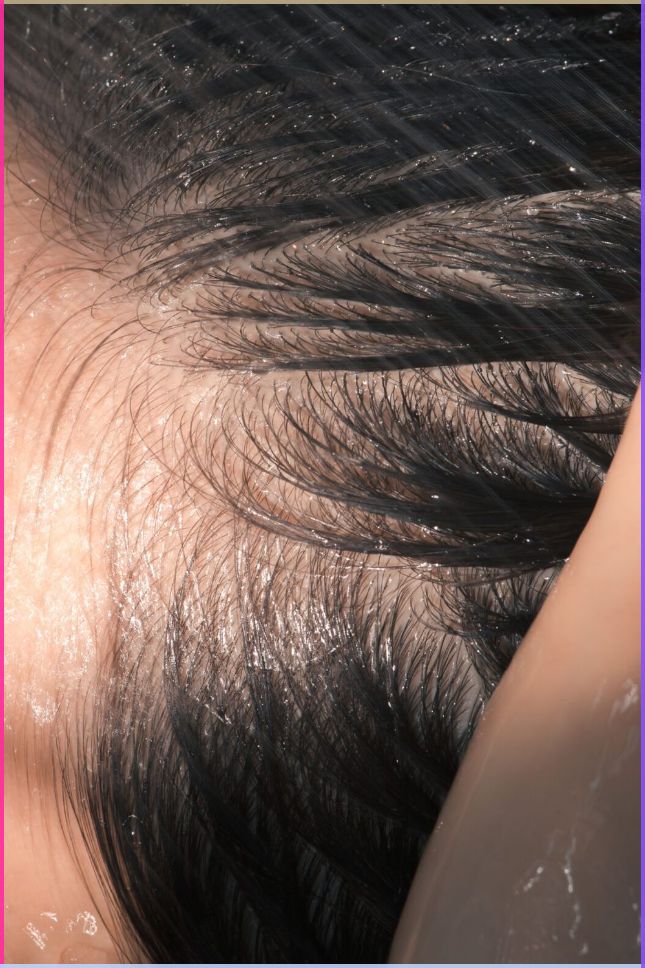
Weather changes throughout the year affect how your hair and scalp behave. Adjusting your oil choice and frequency with the seasons keeps your routine realistic.
Ignoring these shifts often leads to frustration with a product that used to work fine.
Using Oil During Dry, Harmattan Months
Dry weather pulls moisture from hair faster than usual, making sealing more important. Slightly heavier oils, applied a bit more often, help combat this seasonal dryness.
Pairing oil with extra water-based moisture prevents the common mistake of oiling dry hair alone.
Using Oil During Humid Or Rainy Months
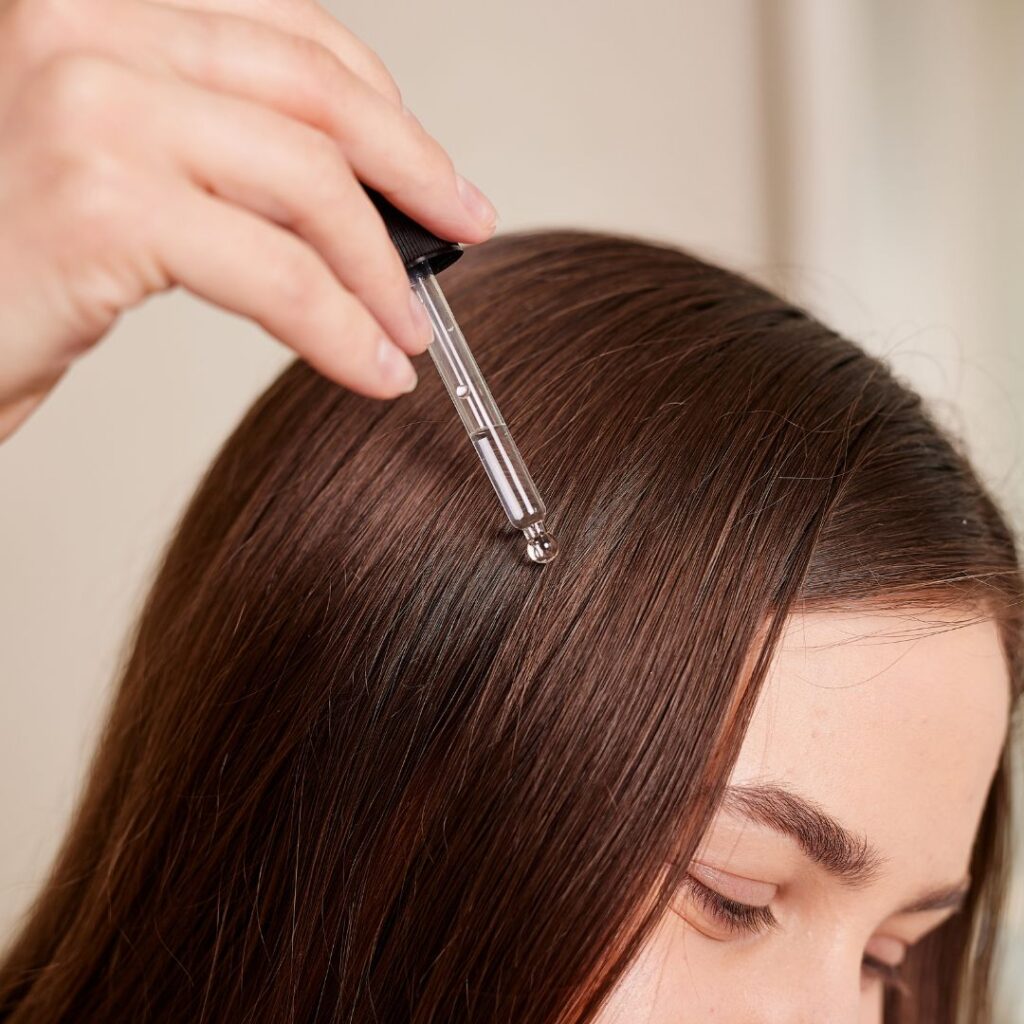
Humid air already adds some moisture to your hair naturally throughout the day. Lighter oils, used less frequently, often work better during these wetter months.
Overusing heavy oils during humidity can lead to a greasy, weighed-down feeling quickly.
Transitioning Between Seasons Smoothly
Sudden weather shifts can catch your routine off guard if you are not paying attention.
Gradually adjusting oil type and frequency, rather than switching abruptly, keeps your hair balanced.
Small, early adjustments prevent bigger dryness or buildup problems later in the season.
Cultural Beliefs Around Hair Oils
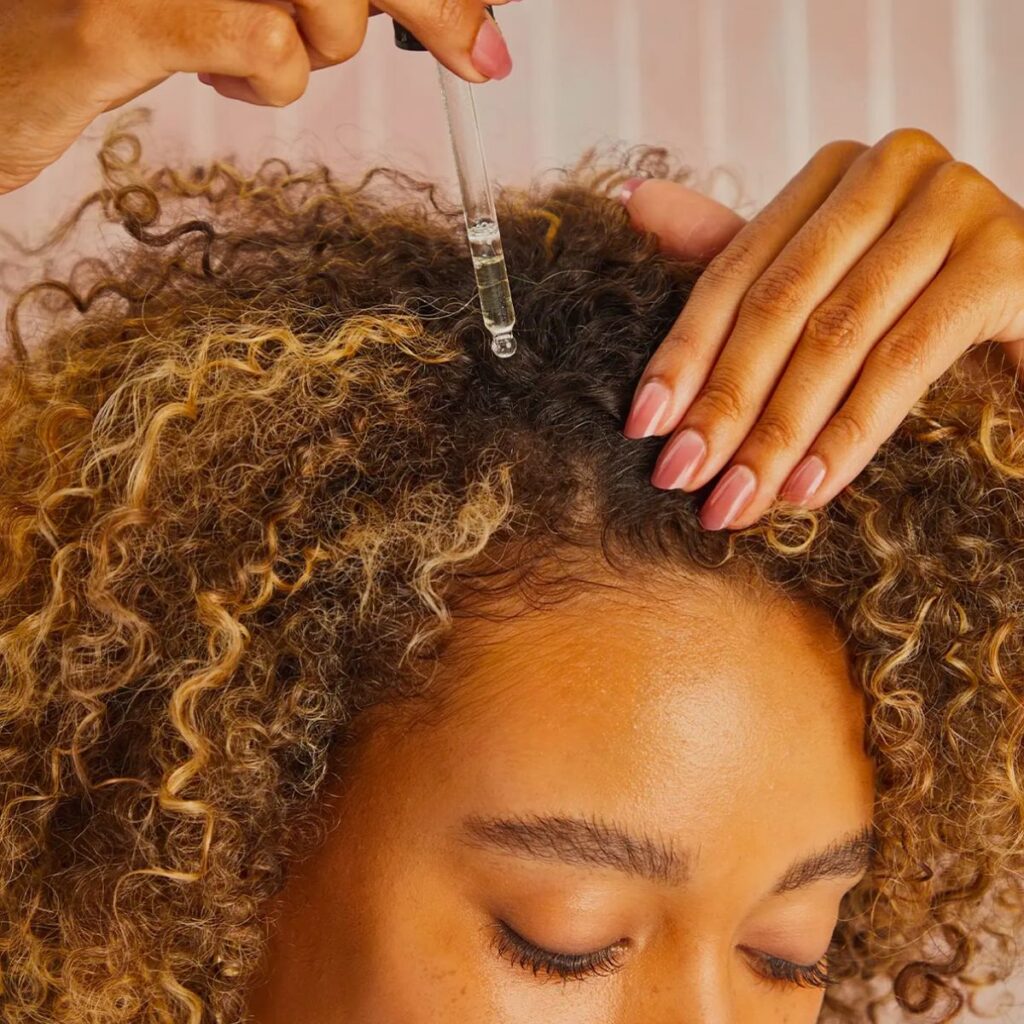
Many households pass down specific oils and rituals through generations of family members.
These traditions often carry real value, especially around bonding and consistent care habits. But not every inherited belief matches what actually works for every scalp today.
Respecting Tradition While Staying Informed
There is nothing wrong with continuing a family oil tradition that feels meaningful to you.
Combining that tradition with updated knowledge about your specific hair type often works best.
This balance honors your heritage while still giving your hair what it truly needs.
When Traditional Practices Need Small Adjustments
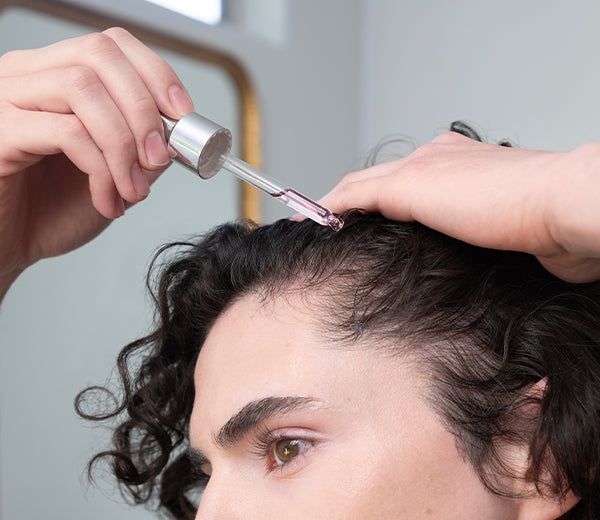
Some traditional oils were originally used on looser hair textures within a family line. If your texture differs, a small adjustment to application or frequency may serve you better.
Adapting tradition thoughtfully is not disrespectful, it is simply responsive, informed care.
My client’s grandmother swore by pure palm oil for every hair concern imaginable. It worked wonderfully for her grandmother’s looser curl pattern decades ago.
For my client’s tighter, drier type 4 hair, a lighter, more frequent approach worked much better instead.
Oils And Curl Pattern Considerations
Your curl pattern affects how oil sits on your strands and how it feels. Tighter coils often need slightly richer oils than looser curl patterns require.
Understanding your pattern helps you predict how a new oil might behave on your hair.
Don’t miss this: How To Identify Your Curl Pattern
Why Tighter Coils Often Need More Sealing
Tighter coils have more bends along each strand, which makes moisture harder to retain.
Oil helps slow down moisture loss along these bends, especially after a full moisture routine. This is one reason type 4 hair often benefits from consistent, gentle oil use.
Looser curl patterns may not need as heavy a sealing step as tighter ones. Using the same amount of oil across different curl patterns often produces uneven results.
Adjusting your amount based on your own pattern avoids unnecessary heaviness or dryness.
Testing Oils Against Your Specific Pattern
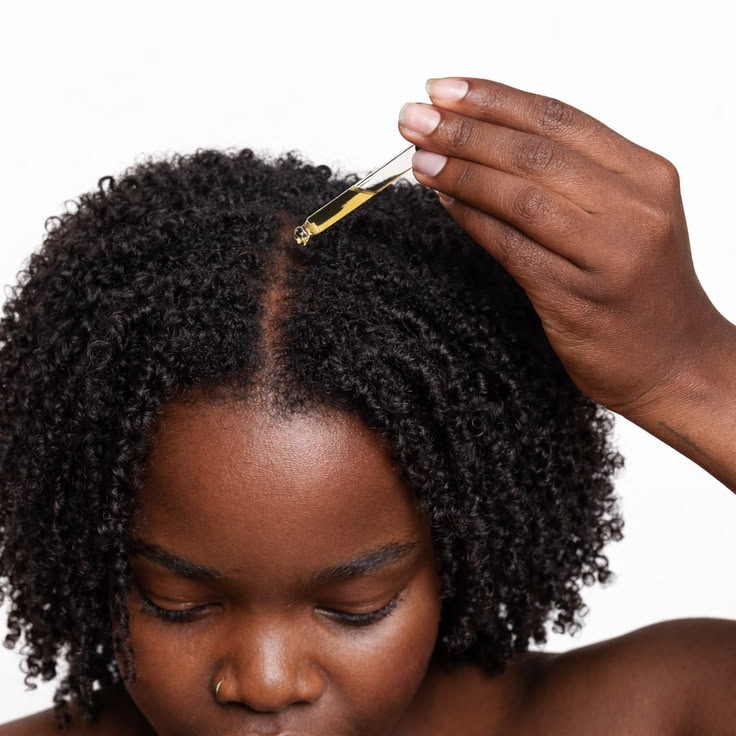
A simple way to test an oil is applying it to one small section first. Watch how that section feels and behaves over the following day.
This small test prevents wasting a whole bottle on something that does not suit your hair.
Oils And Their Relationship With Cleansing
Cleansing and oiling work together, even though they seem like opposite steps. Regular buildup from oils, if not cleansed properly, can weigh hair down over time.
Understanding this relationship helps you avoid one common, frustrating mistake.
Bookmark this post: The Best Shampoos For Afro Hair
Why Buildup Happens With Regular Oil Use
Oils left on the scalp and strands for too long attract dust and product residue. Over time, this builds a film that ordinary rinsing alone cannot fully remove.
A proper cleansing routine prevents this buildup from ever becoming a real problem.
Clarifying occasionally, especially if you use oil daily, helps reset your hair and scalp. This does not mean cleansing away all the benefits oil provides.
It simply means giving your hair a clean slate before reapplying anything.
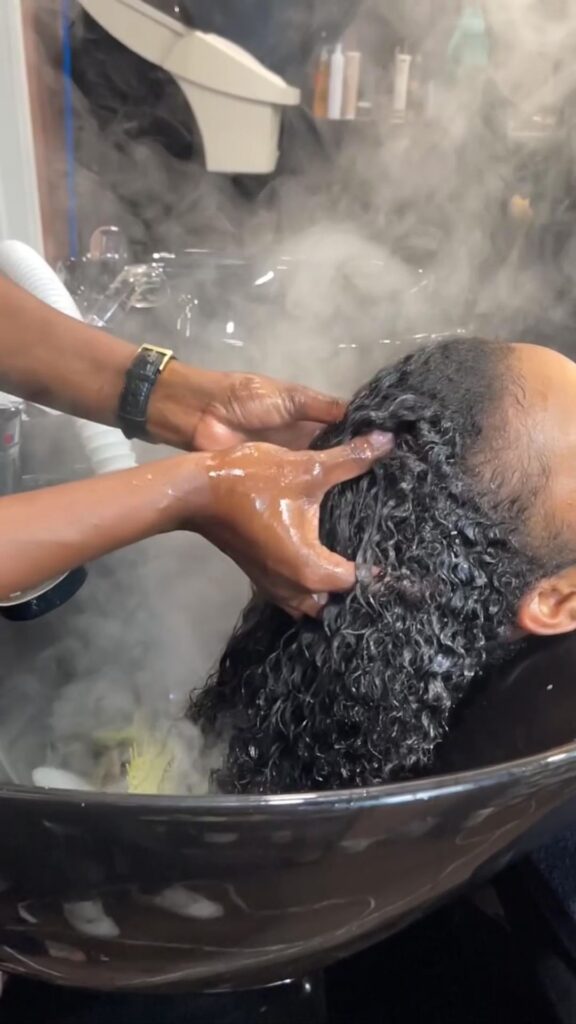
Balancing Oil Use With Wash Day Frequency
If you notice your hair feeling weighed down between washes, reduce your oil frequency slightly. Alternatively, cleanse a little more often if heavy oil use fits your routine better.
Finding this balance takes some observation, but it prevents unnecessary heaviness or dullness.
Building A Simple Oil Shelf
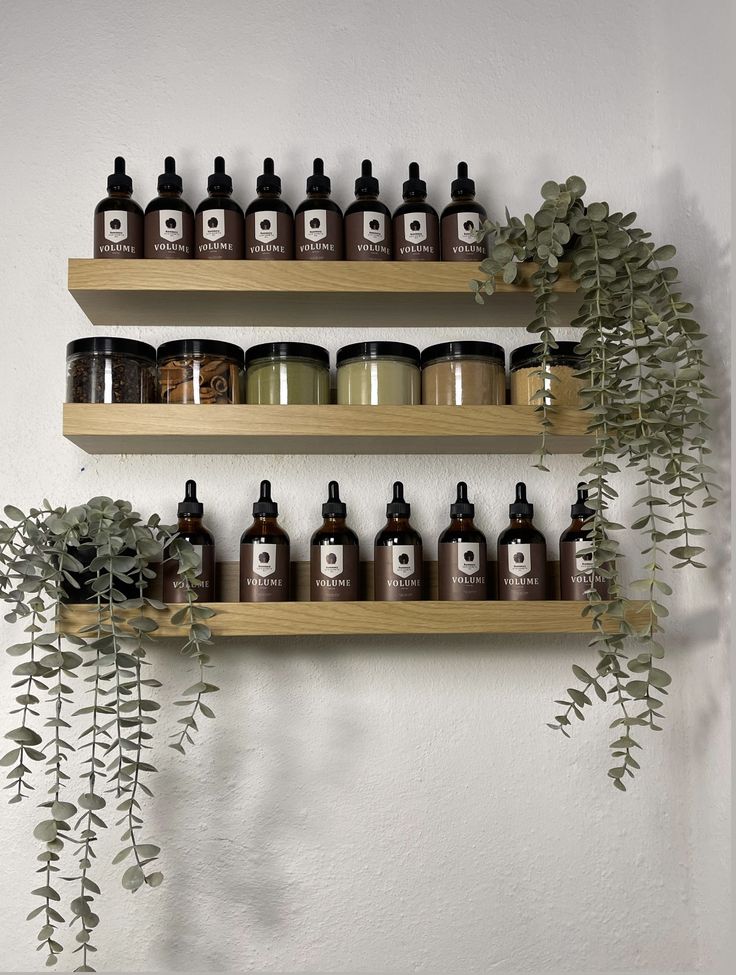
You do not need a large collection of oils to care for your hair properly. A small, well-chosen selection often works better than an overflowing shelf of bottles.
Knowing what belongs on that shelf saves money and reduces daily confusion.
Take a peek: Must-Have Products For A Healthy Hair Routine
What A Simple Oil Collection Looks Like
One lightweight oil for daily or frequent scalp use covers most everyday needs. One slightly heavier oil works well for sealing during colder or drier months.
A small bottle of a scalp-soothing oil, like diluted tea tree, rounds things out nicely.
This simple setup avoids the confusion of owning ten different oils at once. It also makes it easier to notice which oil is actually helping your hair.
Simplicity here supports consistency, which matters far more than variety.
Rotating Oils Without Overcomplicating Things
Some naturalistas enjoy rotating oils based on season or specific hair needs. This is fine, as long as rotation does not turn into constant, confusing switching.
Give any oil a fair few weeks before deciding whether it truly works for you.
Oils And Protective Styles
Oil plays a slightly different role when your hair is styled in braids, twists, or buns. Understanding this helps you avoid common issues like buildup or itching underneath a style.
Applying Oil Before Installing A Style
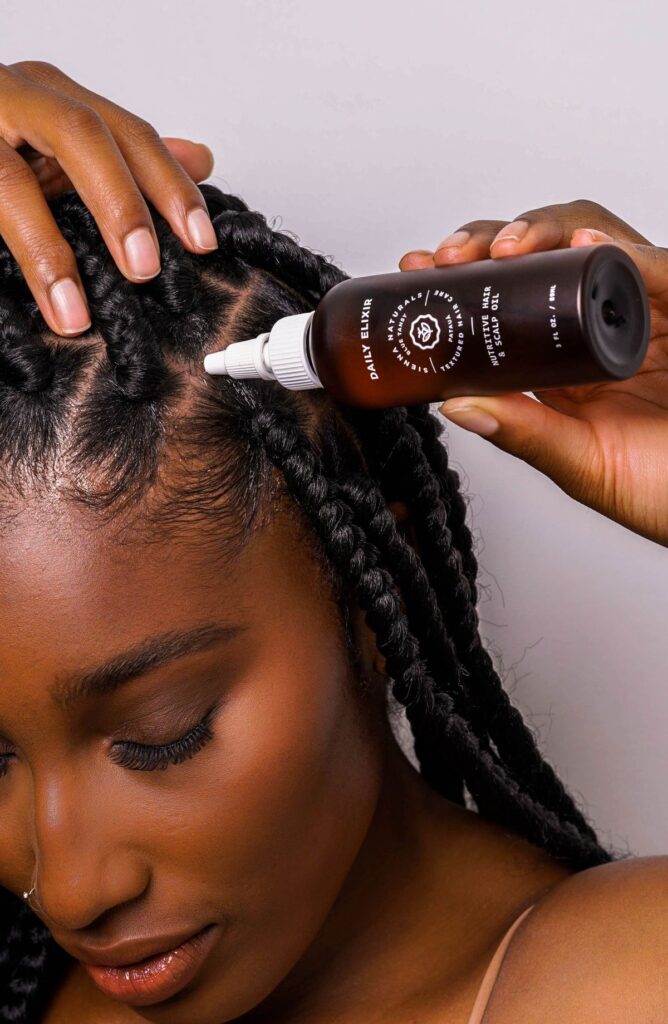
A light oil applied to the scalp before installing a protective style can ease tension. This small step also makes the scalp feel more comfortable during the first few days.
Avoid heavy oils here, since they can trap dirt and sweat underneath the style.
Refreshing Oil While Wearing A Style
A small amount of oil on the scalp, applied carefully with an applicator, can relieve itching. Focus only on the scalp itself, avoiding excessive product on the visible style.
This keeps things comfortable without disturbing the neatness of your chosen style.
Signs An Oil Is Not Working For You
Not every oil suits every head, and recognizing poor fit early saves time. A few clear signs usually point to an oil that is not working well for you.
Persistent Greasiness Or Heaviness
If your hair feels weighed down shortly after applying oil, it may be too heavy. This is especially common with thick oils used on fine or low density hair.
Switching to a lighter option often resolves this issue quickly and easily.
Increased Breakouts Or Scalp Irritation
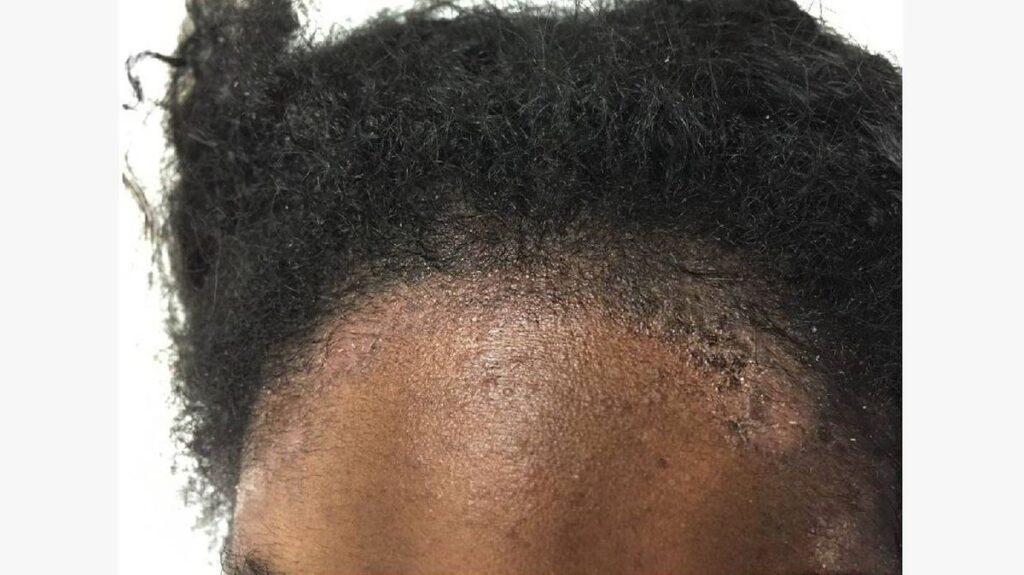
Some oils can clog pores along the hairline, leading to small bumps or breakouts.
If this happens, discontinue use and switch to a lighter, non-comedogenic option instead. Your skin’s reaction is a clear signal worth listening to carefully.
No Noticeable Improvement After Consistent Use
If an oil shows no benefit after several weeks of consistent, correct use, reconsider it. Not every oil suits every scalp, regardless of its popularity or reputation.
Moving on to a different option is not a failure, simply a normal part of finding what works.
The Real Value Of Oil In Your Budget
Oil is often one of the more affordable parts of a full hair care routine. This makes it tempting to buy several bottles, hoping one will work better than another.
A more thoughtful approach saves money while still giving your hair what it needs.
Spending Wisely On Oils
A mid-range, well-suited oil often outperforms an expensive one that does not match your hair.
Reading ingredient lists matters more than brand reputation or attractive packaging design. Spending time researching saves money that would otherwise go toward trial and error.

Avoiding The Trap Of Constant New Purchases
Buying a new oil every time you see a glowing review rarely leads to better hair. This habit often results in a shelf full of half-used bottles instead.
Sticking with one or two proven options usually serves your hair and your budget better.
My friend once counted twelve half-used oil bottles sitting in her bathroom cabinet. She realized she had spent far more chasing variety than she ever needed to.
Narrowing down to two consistent oils actually improved her results within a few weeks.
Quick Answers To Common Questions
A few questions come up repeatedly whenever oils are discussed.
Can any oil actually stimulate new hair growth directly? Most scientific evidence does not support direct growth stimulation from typical hair oils.
Their real benefit lies in moisture retention and protection instead.
Should I apply oil every single day without exception? Not necessarily. Frequency should depend on your hair’s dryness level and your scalp’s oil production.
Daily use suits some people, while others do better every few days.
Is expensive oil always better than a cheaper option? No, price does not always reflect effectiveness or quality directly.
A simple, well-suited oil often performs better than an expensive, poorly matched one.
Can oil alone fix severely dry or damaged hair? No, oil works best alongside proper moisture, protein balance, and gentle handling.
Severe dryness or damage usually needs a more complete approach than oil alone.
Is it bad to mix two or three oils together? Not necessarily, as long as the blend suits your scalp and avoids buildup.
Testing a mix on a small section first helps you avoid an unpleasant surprise.
Does the smell of an oil affect how well it works? No, fragrance has nothing to do with an oil’s actual performance on your hair.
Choose based on ingredients and how your hair responds, not how pleasant it smells.
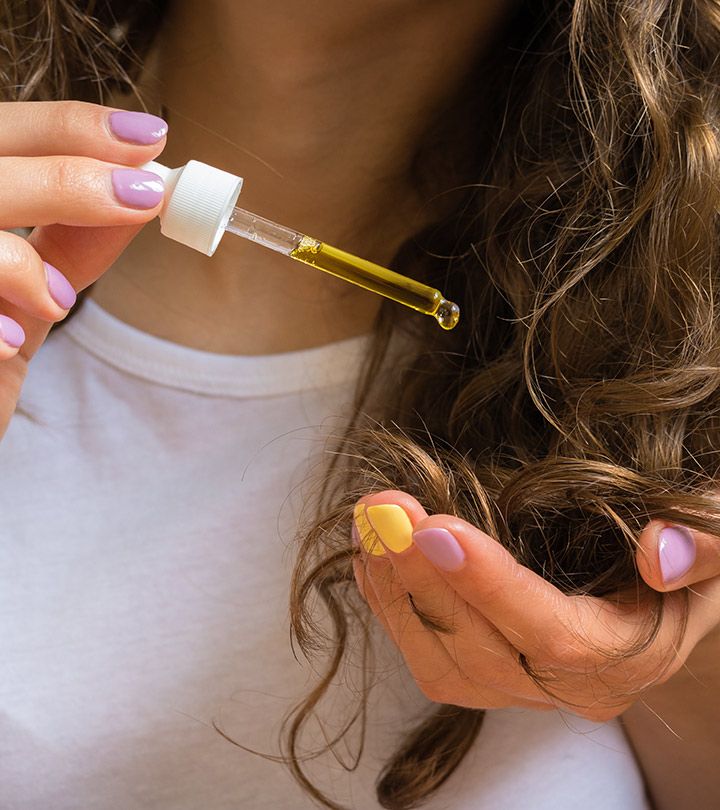
A Few Final Things Worth Knowing
Oils are valuable tools, but they are not magic solutions for hair growth. Understanding what they can and cannot do protects you from disappointment and wasted money.
Choosing oils based on your own scalp and porosity leads to far better results.
Use oil to seal moisture, reduce friction, and support the length you already have. Pair it with proper cleansing, conditioning, and moisturizing for a truly complete routine.
Real growth comes from your whole approach, not from one single bottle.
Trust your own hair’s responses over trends, reviews, or what worked for someone else entirely. Your scalp is unique, and your routine should reflect that truth clearly.
Remember the client from the beginning of this post, still copying her cousin’s exact routine. Once she stopped comparing and started listening to her own hair, everything shifted.
That same shift is available to you, the moment you stop assuming what worked for someone else will automatically work for you too.
Your hair has its own story, and oil is only ever one small chapter within it.