
How To Identify Your Curl Pattern
Disclosure: Some of the links in this post are affiliate links. This means if you click on the link and purchase an item, I will receive an affiliate commission at no extra cost to you.
Knowing your exact curl pattern is one of the most useful things you can learn about your hair. A client once came in convinced she had “no pattern at all,” just tangled coils. After a proper wash and gentle detangling, clear, defined curls appeared throughout her hair.
She had simply never seen her pattern clearly because of constant dryness and breakage. This happens more often than people realize, especially with tightly coiled hair. Many naturalistas go years without ever truly seeing their hair’s natural shape.
They assume their curls are “difficult” or “not really curly” simply because dryness hides the truth. Others rely on what family members or friends tell them, rather than observing their own hair directly. This often leads to using the wrong products, since guessing rarely produces good results.
Understanding your pattern helps you choose better products and set realistic expectations. It also helps you stop copying routines meant for hair that behaves nothing like yours.
If you have not read Understanding Type 4 Hair: A Complete Guide, that post gives useful background before diving into this one.
How To Identify Your Pattern
Why Curl Pattern Can Be Hard To See
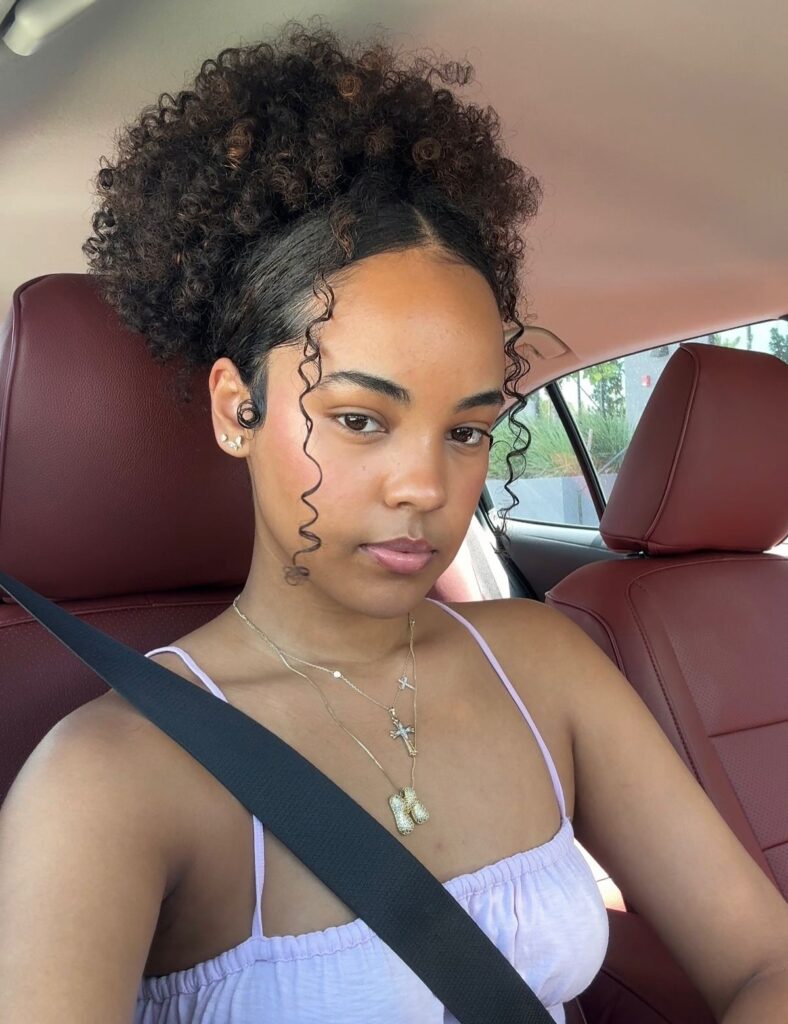
Many naturalistas struggle to identify their pattern simply because of dryness or damage. Dry, undernourished hair often clumps unevenly, making the true curl shape difficult to spot.
Once hair is properly moisturized, patterns usually become much easier to observe clearly.
Breakage can also hide your true pattern, since damaged ends behave differently from healthy hair.
Product buildup is another common culprit, weighing hair down and disguising its natural shape. Addressing these factors first often reveals a much clearer pattern than expected.
Save this for later: What Is Hair Porosity and Why Does It Matter?
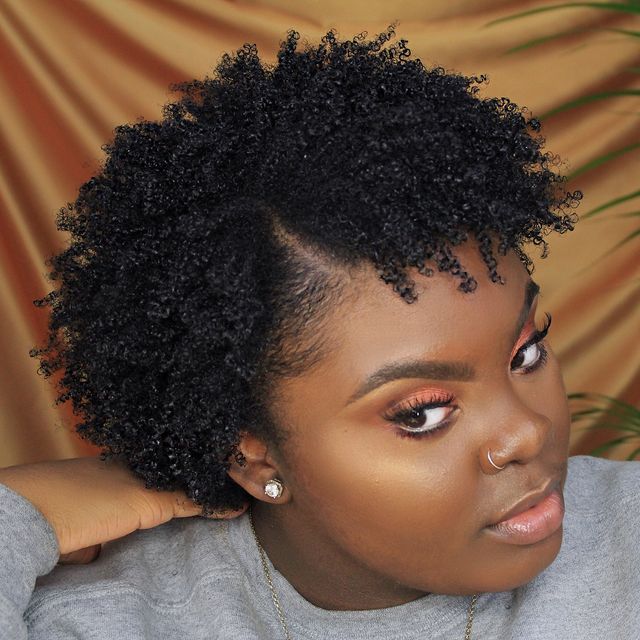
Preparing Your Hair For Pattern Identification
Before trying to identify your pattern, it helps to start with clean, well-moisturized hair. This gives your curls the best chance to show their natural shape clearly.
Washing Without Heavy Product Buildup
Use a gentle, clarifying shampoo to remove any buildup hiding your natural pattern.
Avoid heavy conditioners immediately before checking your pattern, since they can weigh curls down.
A lighter conditioner allows your natural shape to show more accurately during observation.
Take a peek: The Best Shampoos For Afro Hair
Letting Hair Air Dry Without Manipulation
Avoid touching, twisting, or styling your hair while it dries for this observation. Manipulation during drying can disguise or alter your hair’s natural curl formation.
Simply letting it air dry undisturbed gives the clearest, most honest picture of your pattern.
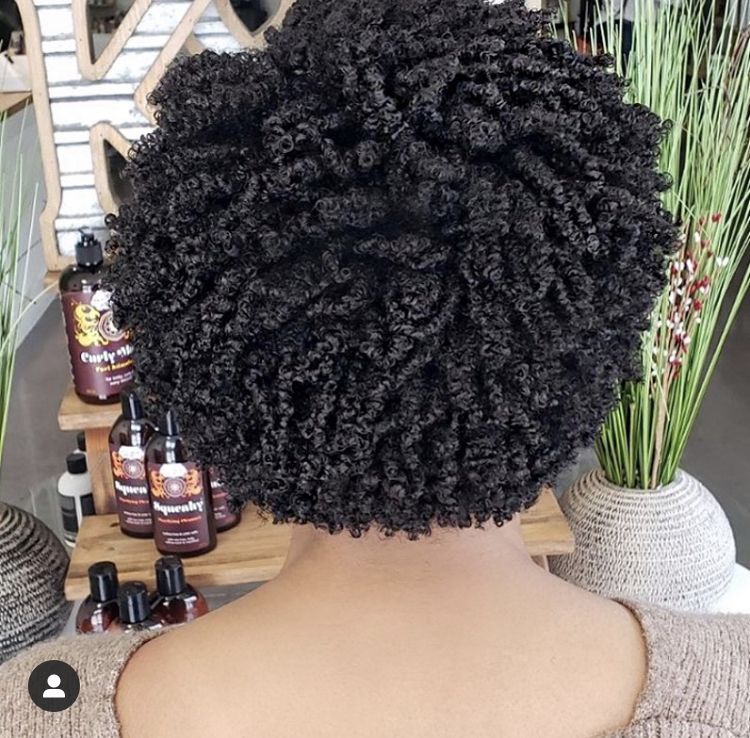
Observing Your Curl Shape Closely
Once your hair is clean and dry, look closely at individual sections of your hair.
What To Look For
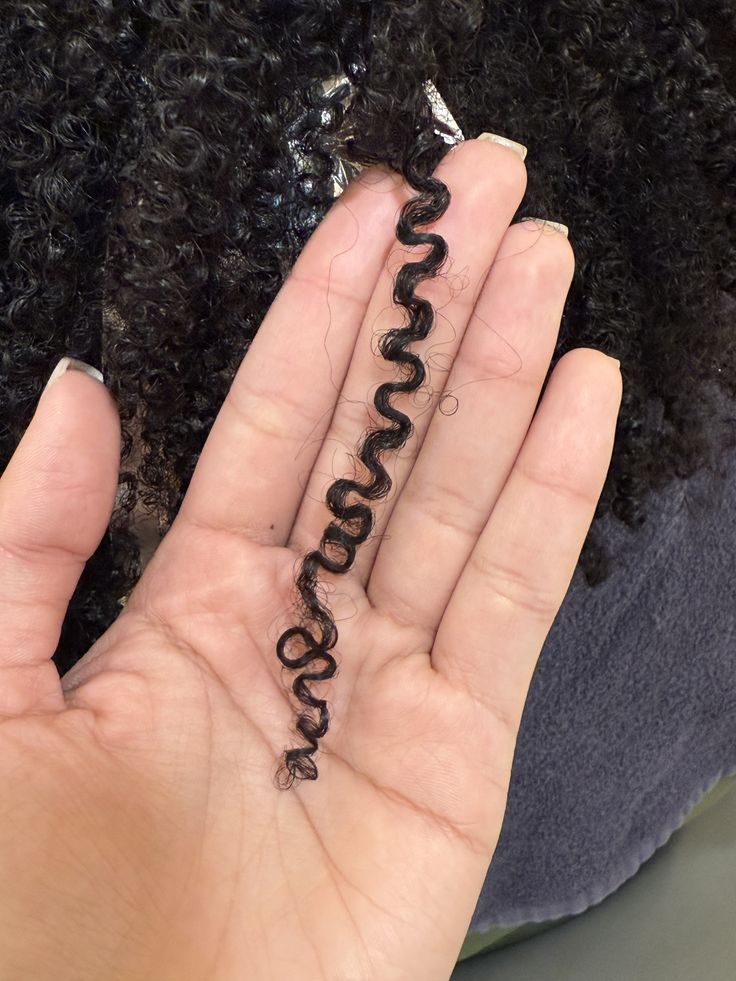
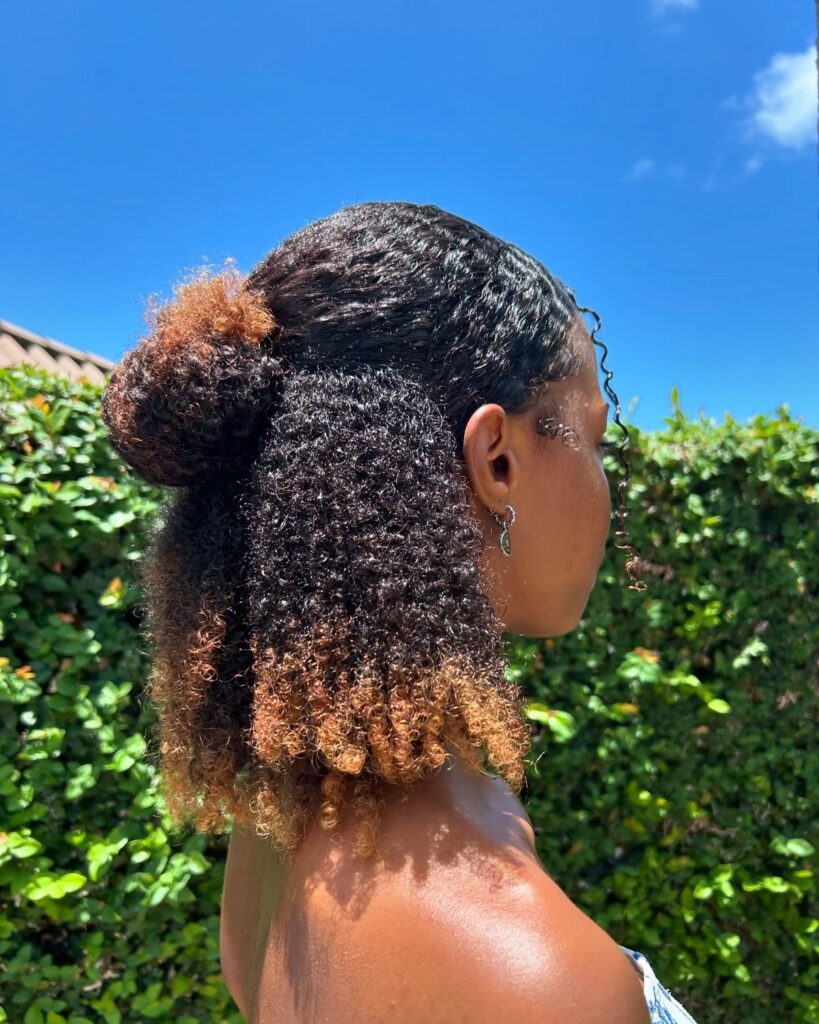
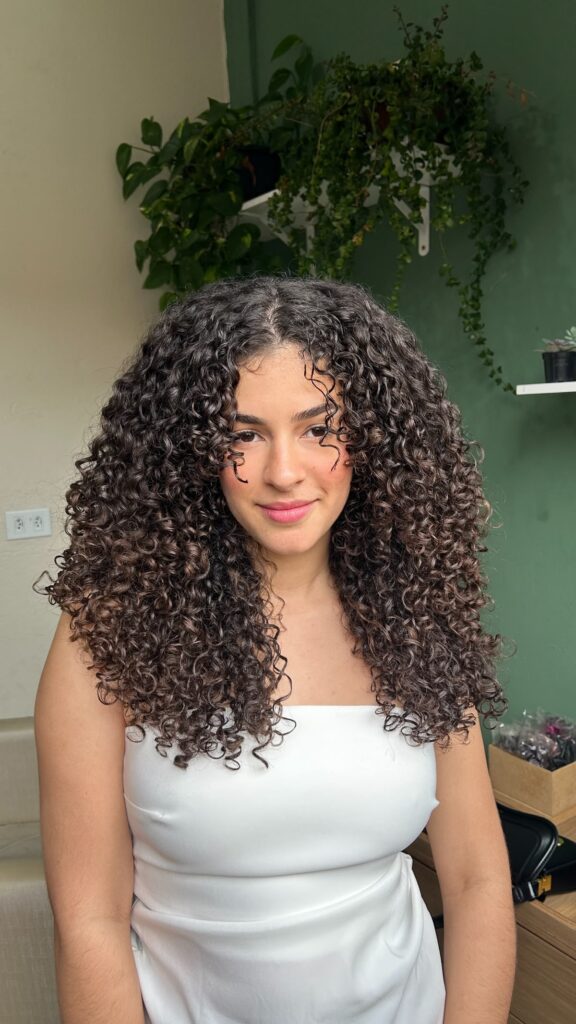
Notice whether your curls form clear, defined spirals or a looser, more open shape. Look for a Z-shaped bend, which often indicates a different pattern than a smooth S-shape.
Pay attention to how tightly the curl coils around itself as it forms.
Bookmark this post: 4A vs 4B vs 4C Hair Explained
Checking Different Sections Separately
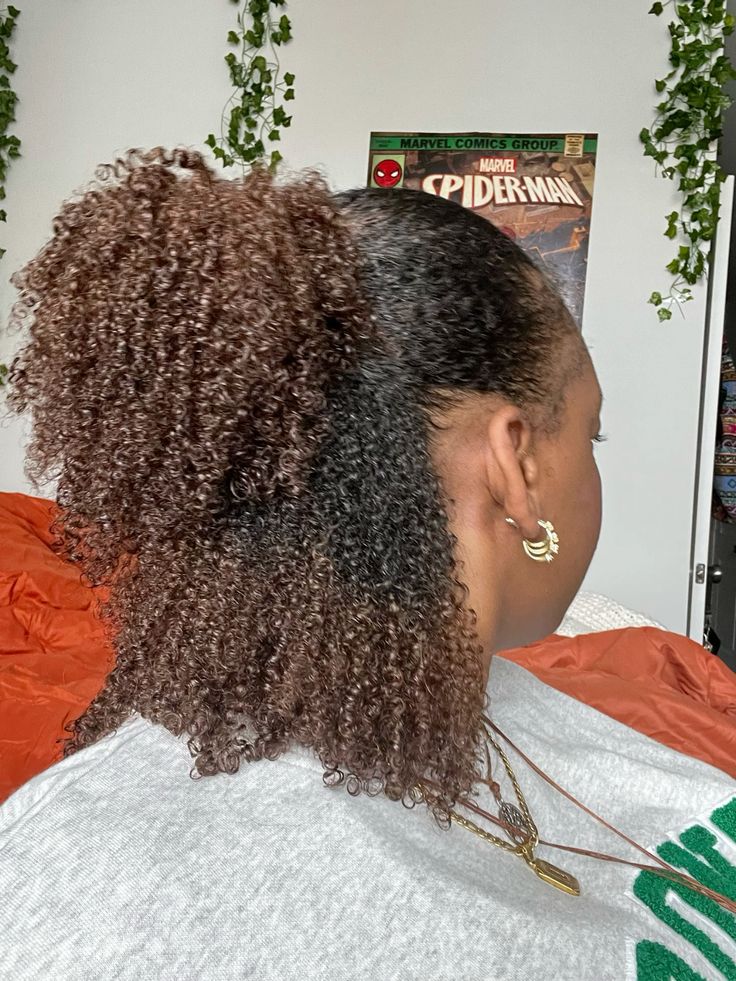
Your crown, nape, and edges may all show slightly different patterns from one another. This is completely normal and does not mean something is wrong with your hair.
Understanding this variation helps you avoid forcing one single label onto your entire head.
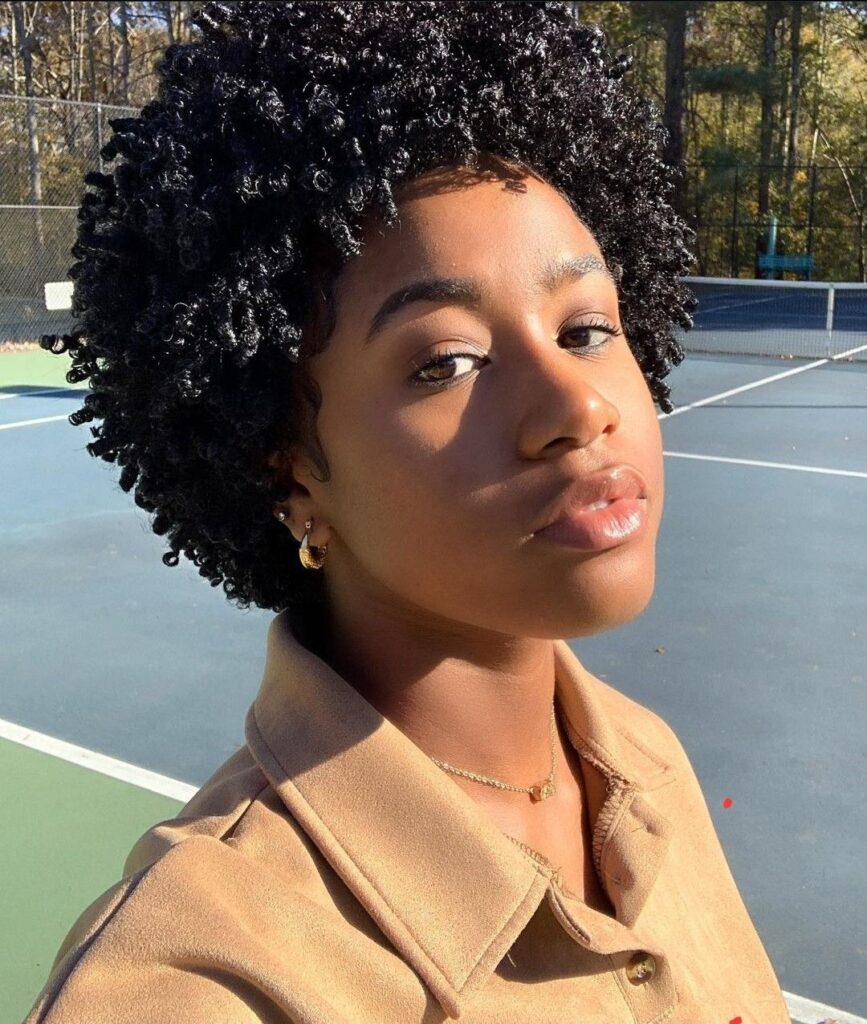
Understanding Shrinkage During Identification
Shrinkage can make identification confusing, since dry hair often looks much shorter and tighter. Stretching a small section gently helps reveal the hair’s true, unshrunk curl pattern.
How To Check Stretched Length
Gently pull a clean, dry strand between two fingers without excessive force. Notice how much it stretches and how the curl reforms once released.
This simple check helps you separate true pattern from shrinkage-related distortion.
Pin this for later: Low Porosity Hair Routine
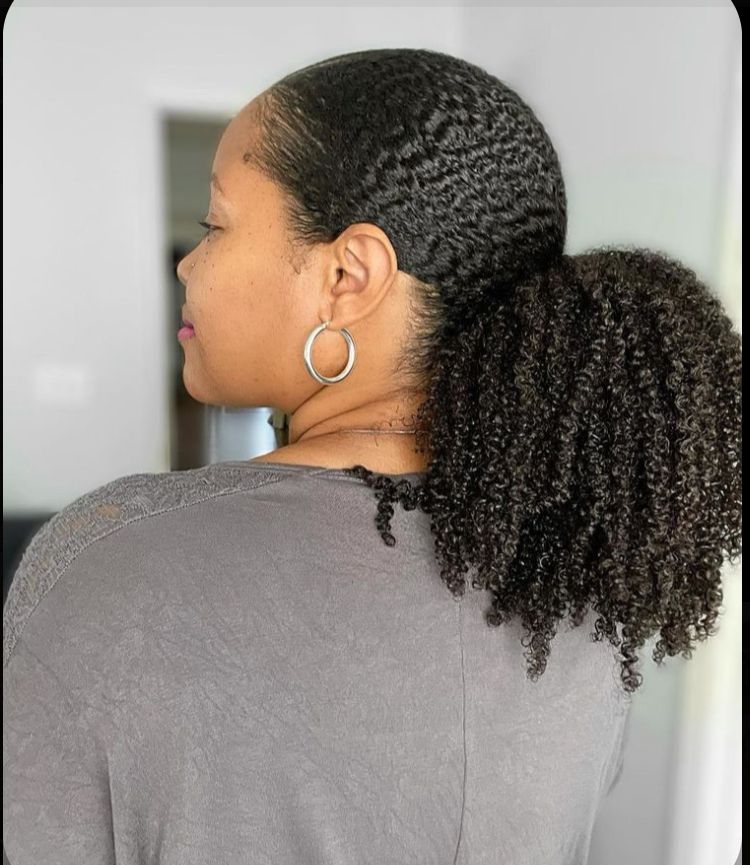
Using The Strand Test For More Clarity
A simple strand test can help confirm what you are observing visually. This test also reveals useful information about porosity alongside pattern.
How To Perform A Basic Strand Test
Take one clean strand and drop it into a glass of room-temperature water. Watch how it floats or sinks, and note how it behaves once wet.
Combine this observation with your visual pattern check for a fuller picture.
Explore more ideas: The Best Conditioners For Type 4 Hair
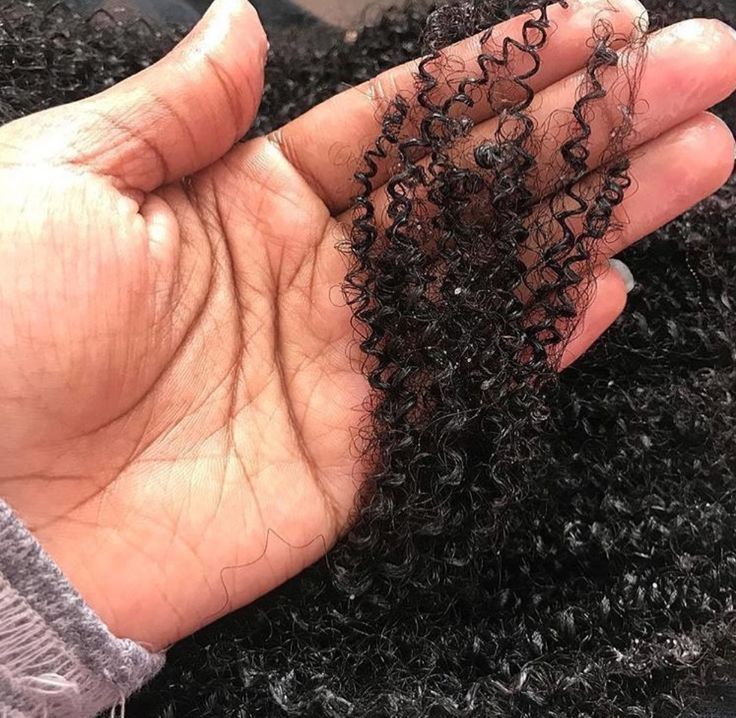
Common Mistakes When Identifying Curl Pattern
Several common mistakes can lead to inaccurate or confusing pattern identification.
Judging Pattern While Hair Is Wet
Wet hair often looks different from how it appears once fully dry. Judging pattern too early, before hair is completely dry, can lead to inaccurate conclusions.
Waiting for full drying gives a much clearer, more reliable picture.
Comparing Your Hair To Filtered Photos
Heavily edited or filtered photos online rarely reflect real, natural curl patterns accurately. Comparing your hair to these images often leads to unnecessary confusion or disappointment.
Trusting your own hair’s honest, undisturbed behavior matters far more than any photo.
Expecting One Single Pattern Across Your Whole Head
Many naturalistas expect their entire head to match one single, neat category. In reality, most people have some variation across different sections of their hair.
Accepting this variation makes identification less stressful and far more accurate.
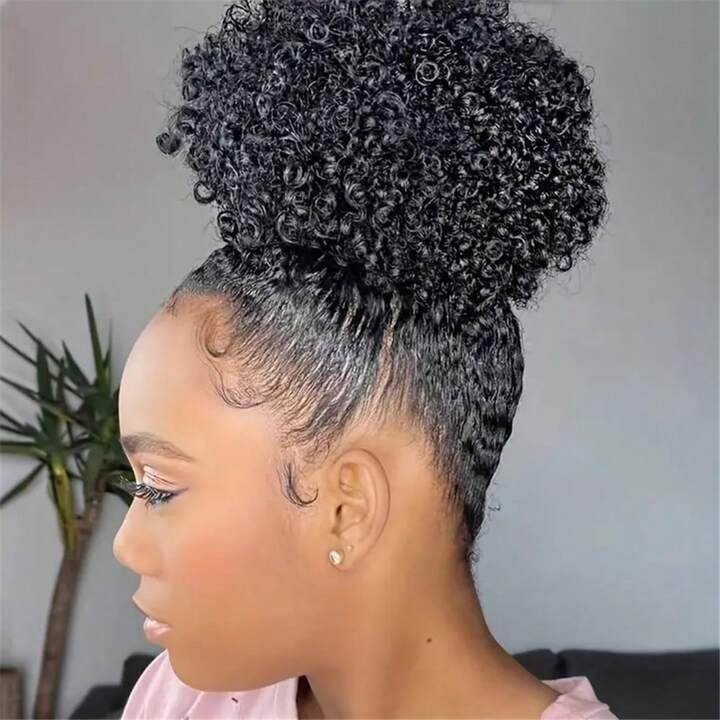
How Curl Pattern Affects Product Choice
Once you understand your pattern, choosing products becomes a much easier, more informed process.
Don’t miss this: The Best Hair Growth Routine For Afro Hair
Matching Products To What You Observed
Looser, more open patterns often do well with lighter creams and gels. Tighter, more compact patterns often need richer butters and creams for proper definition.
Hair Cream vs Hair Butter: Which Should You Choose? explains this difference further.
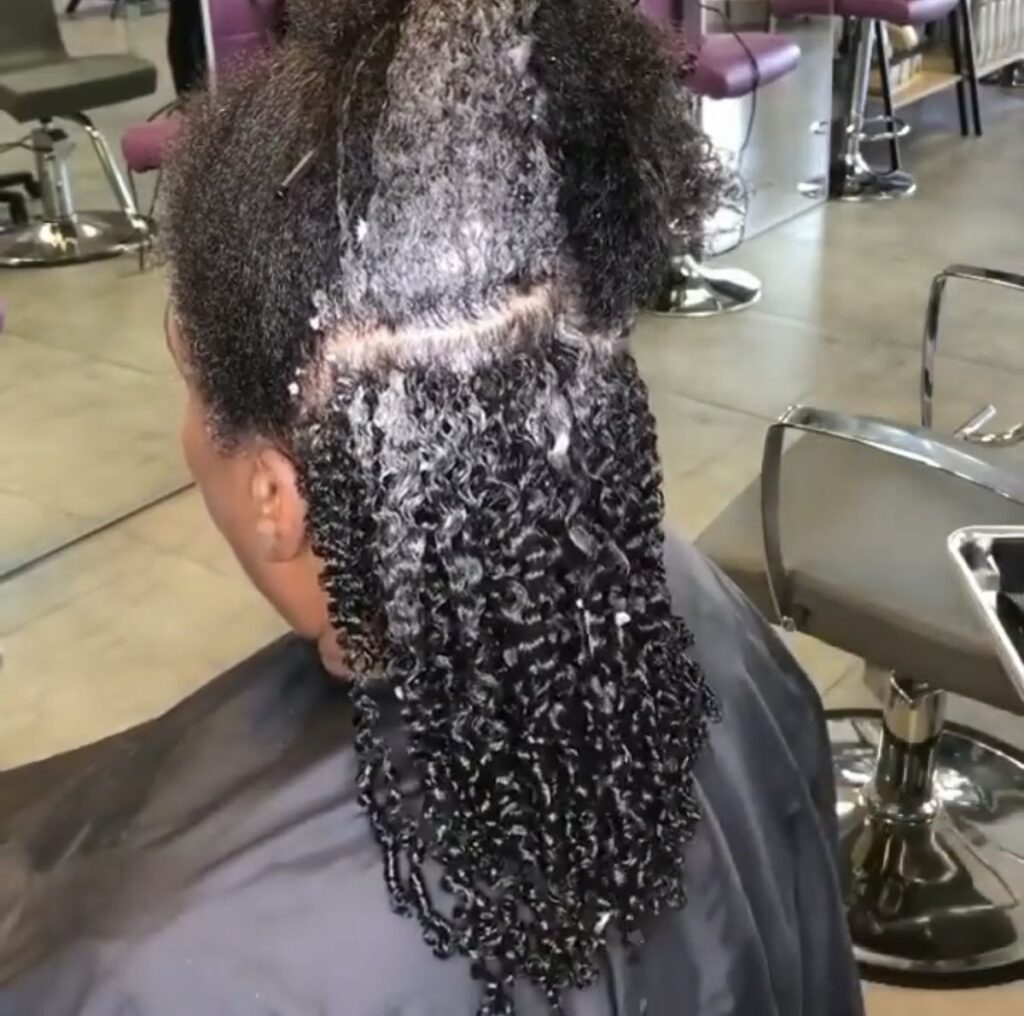
How Curl Pattern Affects Styling Choices
Your pattern also influences which styles will show the best, most natural results.
Read this next: How To Grow Healthy Afro Hair Without Chasing Length
Choosing Styles That Complement Your Pattern
Wash and go styles often show clear definition on more open, defined patterns. Twist outs and braid outs work well across most patterns, offering stretched, controlled definition.
Understanding your pattern helps you choose styles that highlight your hair’s natural beauty.
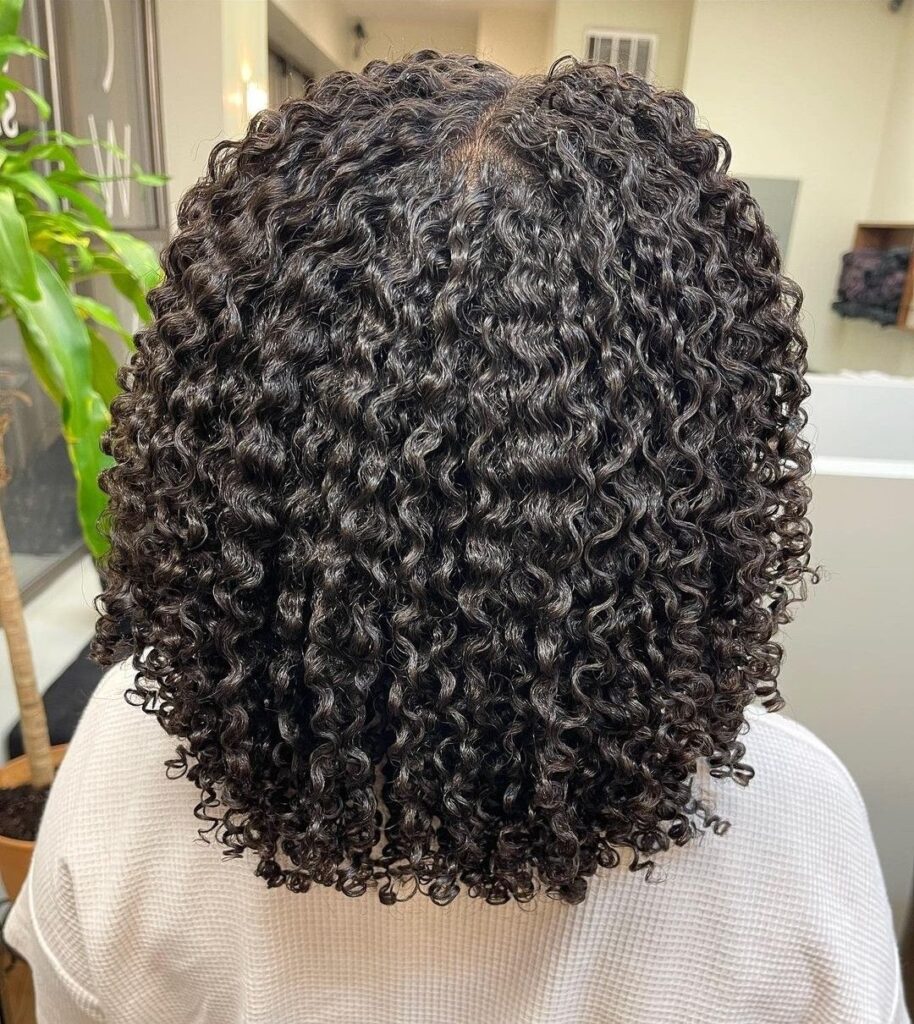
Curl Pattern And Detangling Technique
Your pattern also affects how you should approach detangling for the best results.
Worth a look: The Best Detangling Brushes For Afro Hair
Adjusting Technique Based On What You Observed
Looser patterns often detangle more easily with fewer tangles forming during the week. Tighter, more compact patterns usually need more patience and gentler, slower technique.
Matching your approach to your actual pattern reduces unnecessary breakage significantly.
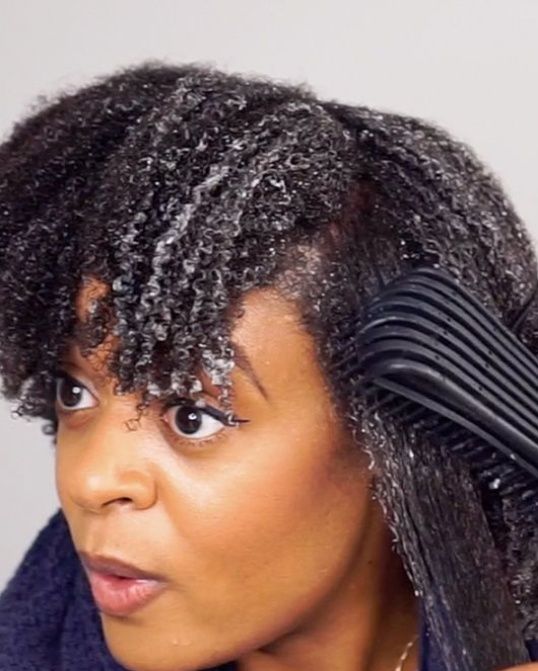
Curl Pattern And Scalp Care
Understanding your pattern also helps you approach scalp care more effectively.
Fan favorite: Healthy Scalp Habits For Faster Hair Growth
Why This Connection Matters
Denser, tighter patterns can make scalp access slightly more challenging during care routines.
Sectioning carefully, based on your pattern, helps ensure thorough, even scalp attention.
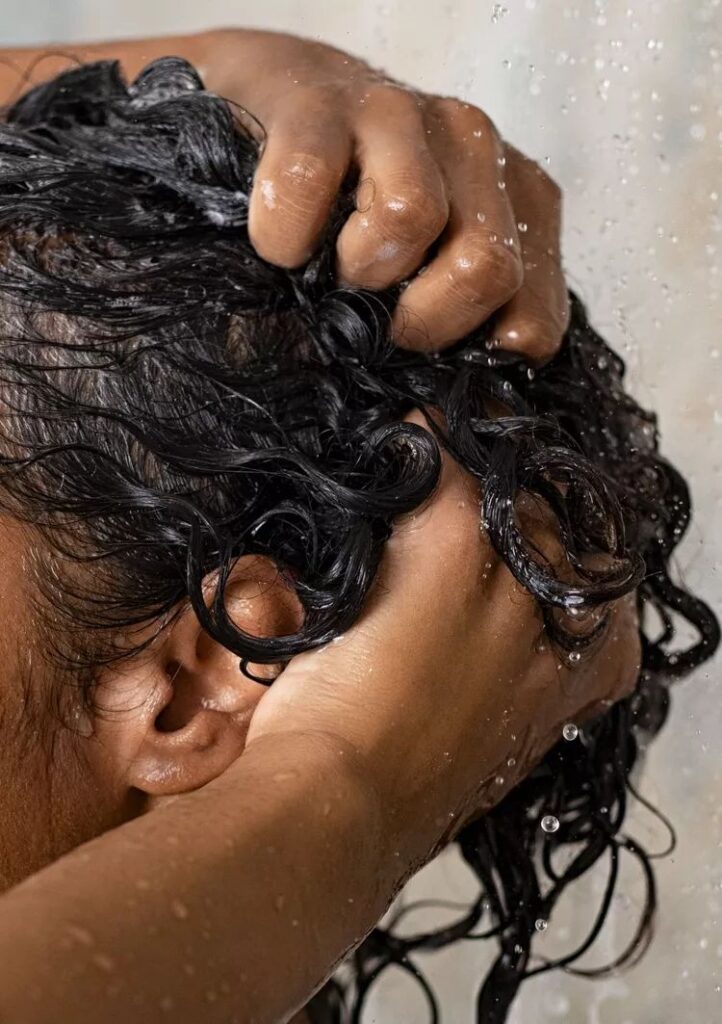
Curl Pattern And Length Retention
Retention strategies can be fine-tuned once you understand your specific curl pattern clearly.
Explore more ideas: Length Retention Tips Every Naturalista Should Know
Why This Understanding Helps
Tighter patterns often experience more breakage at each bend along the strand. Knowing this helps you prioritize gentle handling and consistent moisture for your specific pattern.
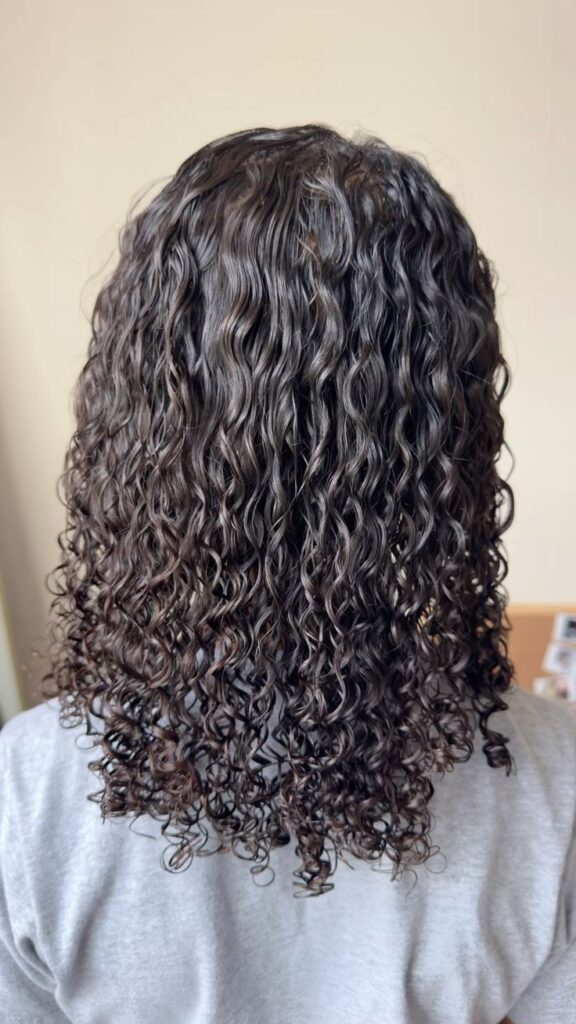
Curl Pattern And Oil Selection
Oil choice can also be guided by what you observe about your specific pattern.
Take a peek: The Truth About Hair Growth Oils
Matching Oil Weight To Your Pattern
Looser patterns often do well with lighter oils that will not weigh down definition. Tighter patterns often benefit from richer oils that provide stronger sealing and protection.
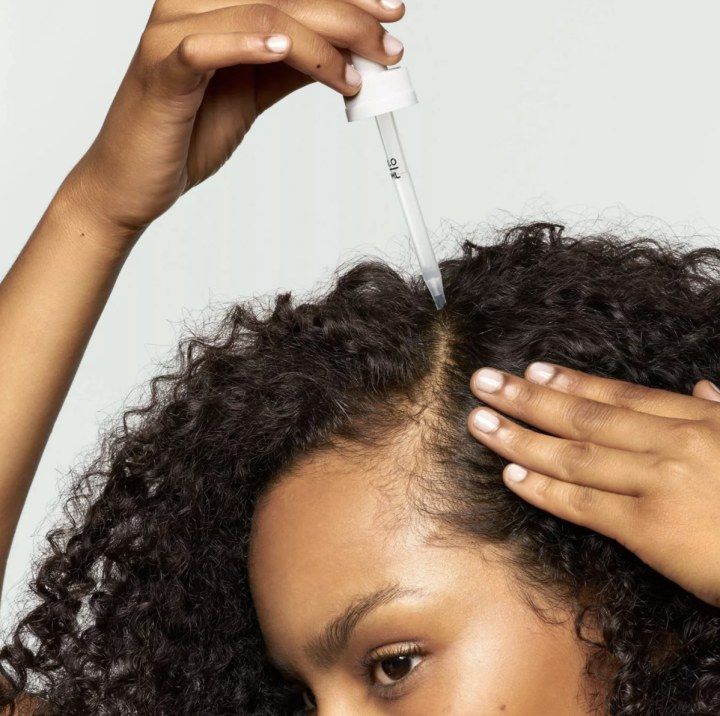
Building A Product Shelf Around Your Pattern
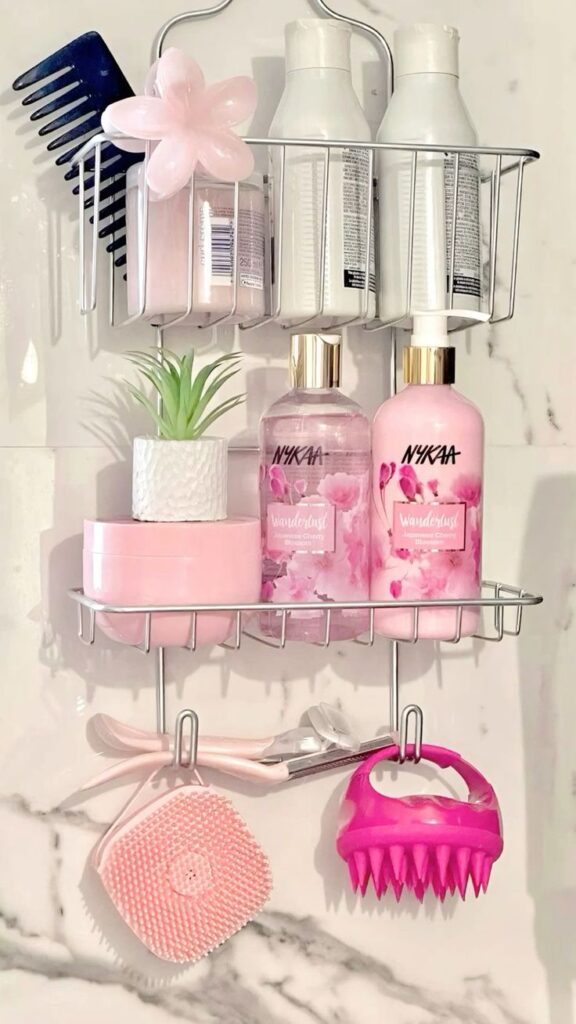
Once you understand your pattern, building a suitable product shelf becomes far simpler.
Save this for later: Must-Have Products For A Healthy Hair Routine
Keeping Your Shelf Simple And Effective
A few well-chosen products, matched to your actual pattern, outperform a large random collection.
Understanding your pattern removes much of the guesswork from future product shopping.
Identifying Pattern By Section Of The Head
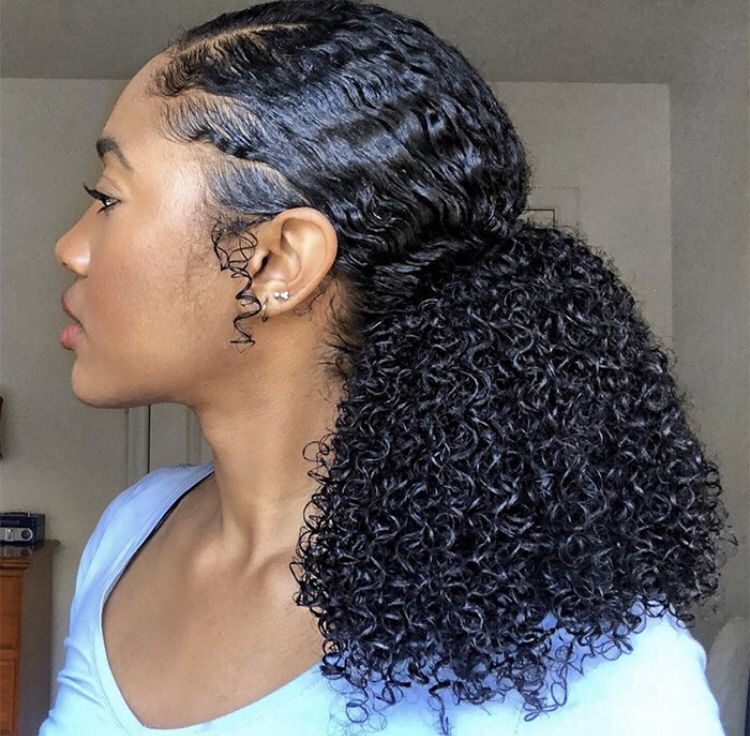
Different areas of your head often reveal different aspects of your overall pattern. Learning to observe each area separately gives you a more complete, accurate picture.
The Crown Area
The crown often shows the most defined version of your natural pattern. This area tends to receive less friction and manipulation than other parts of the head.
Observing your crown first can give you a useful baseline for comparison.
The Nape Area
The nape often has a slightly different texture compared to the rest of your head. This area can appear softer or more tightly coiled, depending on the individual.
Recognizing this difference helps you avoid confusion when your nape does not match your crown.
The Edges
Edges are often finer and more fragile than the rest of your hair. They may show a looser or less defined pattern due to their delicate structure.
Handling this area gently protects it, regardless of what pattern it shows.
Identifying Pattern By Strand Thickness
Strand thickness, separate from curl pattern itself, also affects how your hair looks and behaves. Understanding this adds another useful layer to your overall hair knowledge.
Fine Strands
Fine strands often show curl pattern more delicately and can appear less voluminous overall.
These strands may require lighter products to avoid looking weighed down or greasy.
Coarse Strands
Coarse strands often hold curl pattern more firmly and can appear fuller or more voluminous.
These strands may need richer products to achieve the same level of moisture and definition.
Medium Strands
Medium strands often sit comfortably between fine and coarse, tolerating a wider range of products.
Observing your own strand thickness helps you fine-tune product choice beyond pattern alone.
Tools That Help With Pattern Observation
While no special tools are required, a few simple items can make observation easier and more accurate.
A Handheld Mirror
A handheld mirror helps you see the back and sides of your head more clearly. This is especially useful for observing your nape and crown, which are harder to view directly.
Good Lighting
Natural daylight offers the most accurate view of your hair’s true color and curl definition. Artificial lighting can sometimes distort how tight or loose your pattern appears.
Observing your hair near a window often gives the clearest, most honest results.
A Simple Journal Or Notes App
Keeping brief notes on what you observe helps you track patterns and changes over time. This is especially useful if your hair shows noticeable variation across different sections.
Reviewing these notes periodically can reveal helpful trends worth understanding further.
Why Understanding Pattern Reduces Frustration
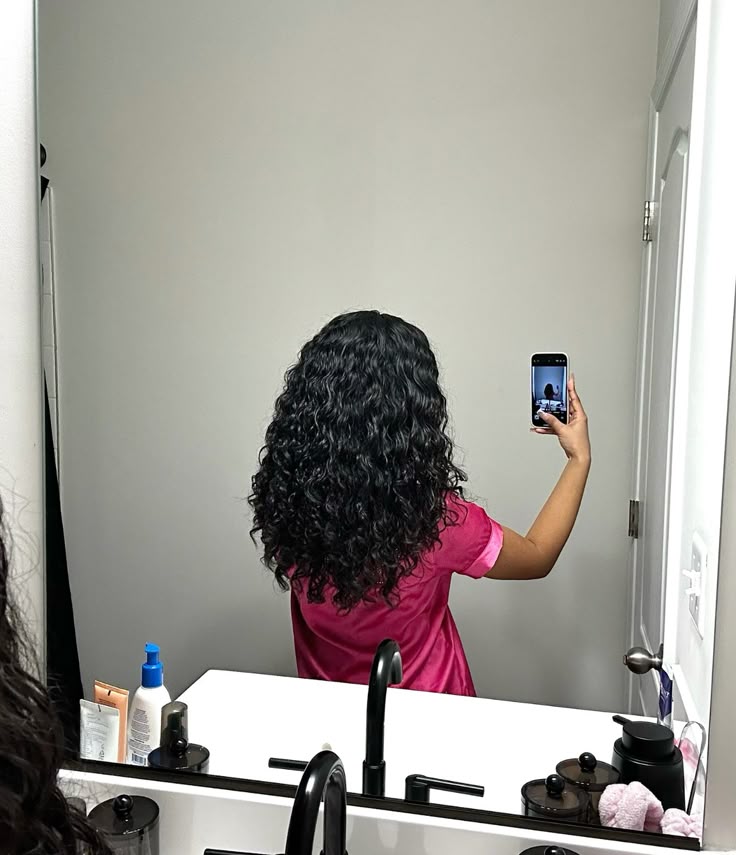
Many naturalistas feel frustrated simply because they do not understand what their hair is naturally doing.
This frustration often stems from comparing results to unrealistic expectations rather than actual observation.
Replacing Frustration With Curiosity
Approaching your hair with curiosity, rather than judgment, changes the entire identification process.
Instead of asking “why doesn’t my hair look like that,” ask “what is my hair actually doing.” This mindset shift makes the whole process feel far less discouraging.
My neighbor spent years frustrated with what she called “unruly, undefined” hair.
Once she learned to observe her pattern properly, she realized her hair was simply drier than she assumed.
Addressing the dryness first revealed a clear, attractive pattern she had never truly seen before.
Revisiting Identification Over Time
Your curl pattern is not something you identify once and never think about again. Revisiting your observation occasionally helps you stay attuned to any changes over time.
When To Reassess Your Pattern
Reassess after major life changes, like pregnancy, illness, or significant stress. Reassess if you notice your hair behaving noticeably differently than it used to.
Regular, gentle observation keeps your understanding accurate and up to date.
Curl Pattern Myths That Confuse Identification
A few persistent myths make pattern identification more confusing than it needs to be.
Myth: Everyone Fits Neatly Into One Category
As covered earlier, most people show variation across their head, not one uniform pattern.
Expecting a single, neat category often leads to unnecessary frustration during identification.
Accepting natural variation makes the entire process far more accurate and stress-free.
Myth: Curl Pattern Determines Hair Health
A clearly defined pattern does not automatically mean healthier hair overall. Health depends on moisture, gentle handling, and consistent care, not on visible curl definition.
Two people with different patterns can be equally healthy with the right approach.
Myth: You Need Expensive Products To See Your Pattern
Basic, affordable products can reveal your natural pattern just as effectively as expensive ones.
What matters most is proper cleansing, moisture, and gentle handling during the process. Expensive products do not guarantee more accurate or better-looking results.
How Weather Affects Pattern Observation
Weather conditions can subtly influence how your curl pattern appears on any given day.
Observing Pattern On Humid Days
Humidity can sometimes enhance curl definition, making patterns appear more pronounced temporarily.
This can occasionally make identification easier, though results may vary between individuals.
Observing Pattern On Dry Days
Dry air can cause more noticeable shrinkage, sometimes making pattern harder to observe clearly.
Observing your hair across a few different weather conditions gives a more balanced, accurate picture overall.
Combining Visual And Tactile Observation
Relying only on sight can sometimes miss important details about your hair’s actual pattern.
Combining visual observation with touch gives a more complete, accurate understanding.
What Touch Can Reveal
Gently touching your curls can reveal springiness, density, and overall texture more clearly. Some patterns feel softer, while others feel wirier or more textured to the touch.
This tactile information complements what you see and adds useful additional context.
My friend discovered her hair felt much softer than it looked, which surprised her initially.
This tactile discovery helped her choose gentler products than she previously assumed she needed.
Curl Pattern And Curl Clumping
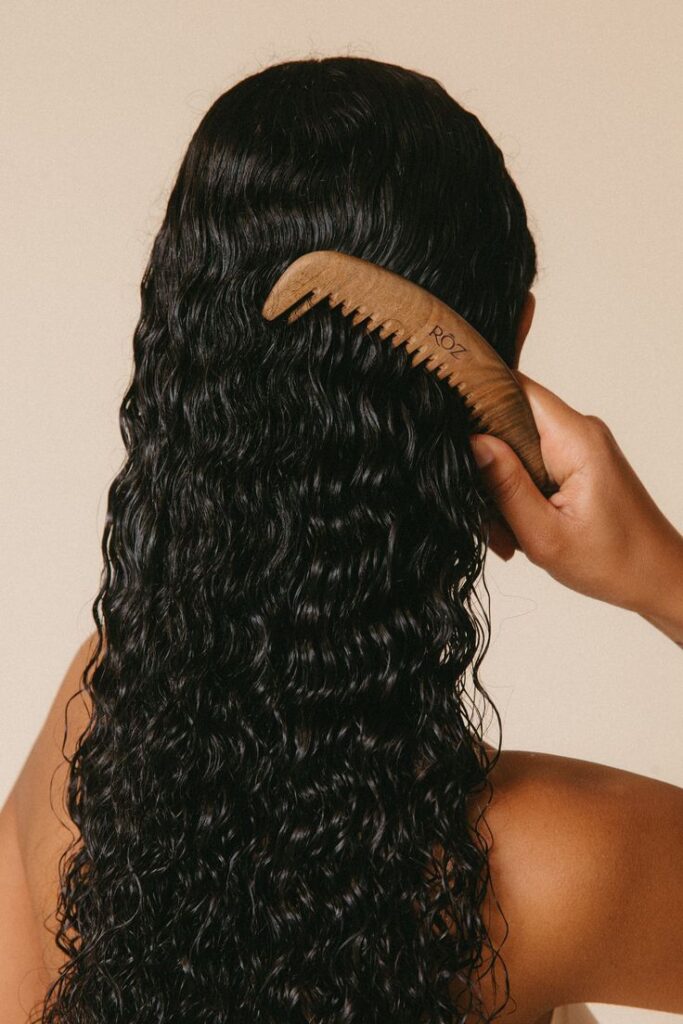
Clumping refers to how individual curls group together to form larger, defined sections.
Understanding clumping adds another useful layer to your overall pattern identification.
Why Clumping Matters
Well-clumped curls often appear more defined and uniform than scattered, separated strands. Poor clumping can sometimes make an otherwise defined pattern look messier or less clear.
Product choice and application technique both influence how well your curls clump together.
Encouraging Better Clumping
Applying product to soaking wet hair, in small sections, often encourages better clumping. Praying hands or raking motions, done gently, can help group curls into more defined sections.
Avoiding excessive touching once product is applied also helps preserve clumping as hair dries.
The Role Of Curl Pattern In Self-Perception
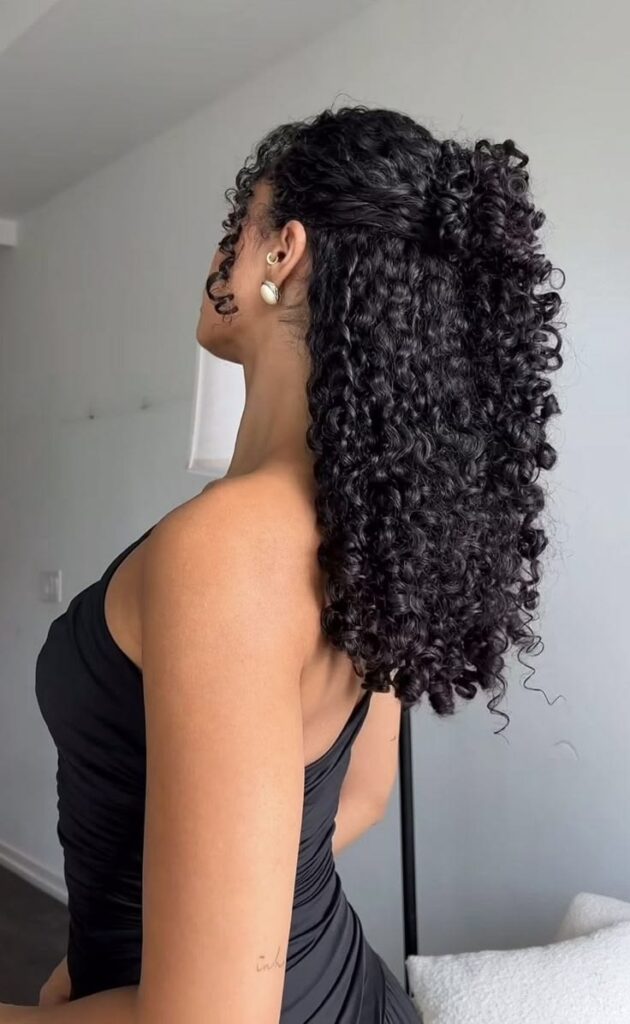
Understanding your pattern goes beyond practical care, it can also shape how you feel about your hair.
Many naturalistas carry unnecessary insecurity simply from not understanding their own hair’s natural behavior.
Building A Healthier Relationship With Your Pattern
Learning your pattern often replaces confusion with clarity, and clarity often brings confidence.
Understanding that your hair’s behavior is normal, not a flaw, changes how you see it daily. This shift matters just as much as any practical product or technique adjustment.
Moving Away From Comparison
Comparing your pattern to others, whether in person or online, rarely serves your actual hair care goals.
Your pattern is simply a description of your hair’s natural shape, not a measure of worth. Letting go of comparison often makes the entire hair care journey feel lighter and more enjoyable.
Documenting Your Pattern Journey
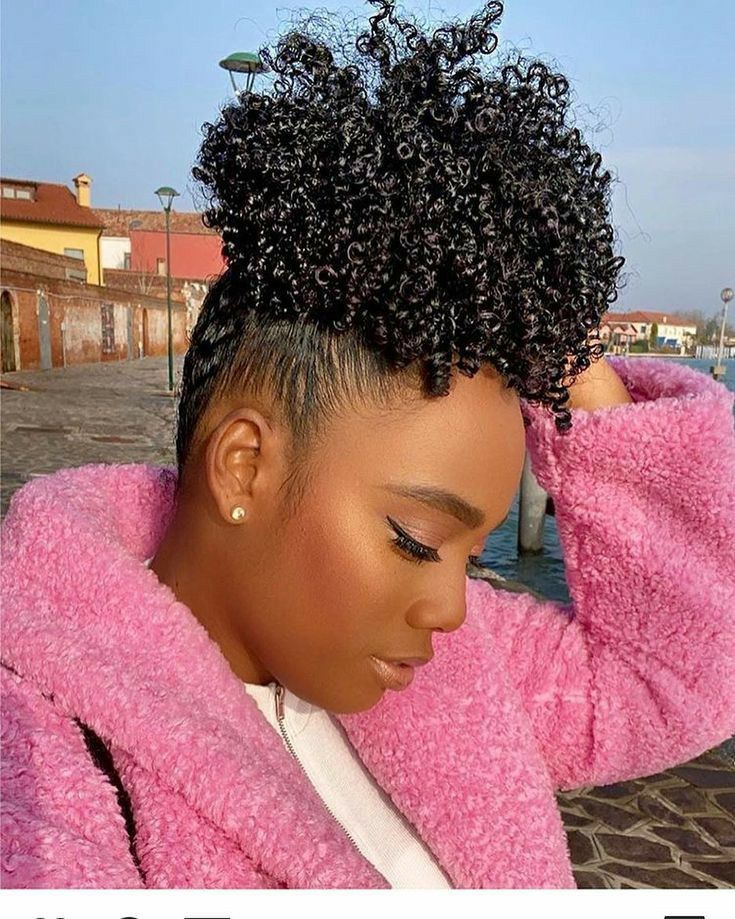
Keeping a simple record of your pattern observations can be genuinely helpful over time.
This documentation does not need to be complicated or time-consuming to be useful.
What To Include In Your Documentation
Note the date, weather, and how your hair was prepared before observation. Include any specific products used and how your hair responded during the process.
Photos, taken in consistent lighting, can also help you track subtle changes over months.
Reviewing Your Documentation Periodically
Looking back at earlier notes can reveal patterns you might otherwise miss day to day.
This record becomes especially useful if you ever experience unexpected changes in your hair’s texture.
Consistent documentation turns casual observation into genuinely useful, long-term knowledge.
Common Signs You Have Misidentified Your Pattern
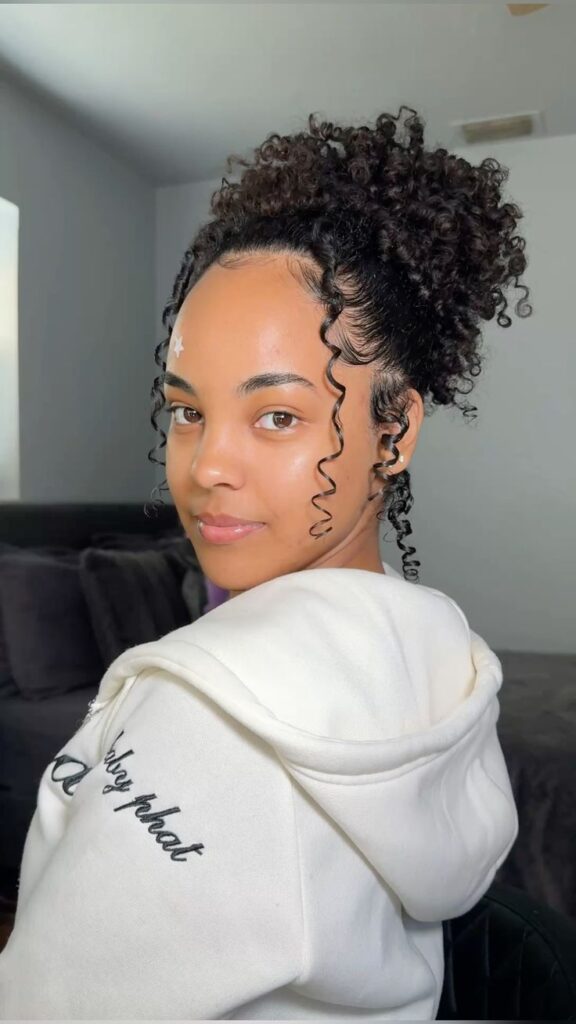
Sometimes naturalistas settle on a pattern identification that does not quite match their hair’s true behavior.
Recognizing the signs of misidentification helps you correct course toward more accurate care.
Products Consistently Underperforming
If products marketed for your assumed pattern consistently disappoint, reassessment may be worthwhile.
This mismatch often signals that your actual pattern differs from what you initially believed. Revisiting your observation with fresh eyes can reveal a more accurate picture.
Feeling Confused By Conflicting Advice
If advice for your assumed pattern never quite seems to apply to your hair, something may be off. This confusion often points toward a pattern that differs from your original assumption.
Returning to basic, careful observation usually clears up this kind of persistent confusion.
Seeking A Second Opinion On Your Pattern
Sometimes a second, trusted opinion can help confirm or adjust your own observations. This does not need to come from a professional, though that option remains available too.
Asking A Trusted Friend Or Family Member
A friend or family member can sometimes notice details you overlook about your own hair.
Choose someone familiar with natural hair, since their observations will likely be more accurate.
This casual second opinion can offer useful, low-pressure confirmation of your own findings.
Consulting A Professional Stylist
A professional stylist brings trained experience to pattern identification and product recommendations.
If you remain unsure after your own observation, a single consultation can offer valuable clarity.
This investment often pays off through more accurate, effective product and routine choices going forward.
Final Thoughts On Building Confidence Through Understanding
Learning to identify your curl pattern is really about learning to understand your hair more deeply.
This understanding becomes the foundation for nearly every other hair care decision you will make.
Patience during this process pays off through better products, better styles, and better results overall.
Quick Answers To Common Questions
A few questions come up often when people try to identify their curl pattern.
Can my curl pattern change over time? Yes, health, hormones, and styling habits can all cause slight shifts over time.
Is it normal to have more than one pattern? Yes, most naturalistas have some variation across different sections of their head.
Does damaged hair show an inaccurate pattern? Yes, damage and dryness can disguise your true, healthy curl pattern significantly.
Do I need special tools to identify my pattern? No, simple observation of clean, dry, undisturbed hair is usually enough.
A Few Final Things Worth Knowing
Identifying your curl pattern gives you a clearer foundation for building an effective hair care routine.
Clean, moisturized, undisturbed hair reveals your true pattern far more accurately than damaged or dry hair.
Expect some variation across your head, since this is completely normal and common.
Use your pattern as a guide for products, styling, and detangling technique going forward. Avoid comparing your results to filtered photos or generic charts found online.
Trust what your own hair shows you, since that will always be the most reliable guide.
Take your time with this process, and revisit it whenever your hair feels unfamiliar or different.
Understanding your pattern is not a one-time task, but an ongoing relationship with your own hair.
The more closely you pay attention, the more confidently you will care for it going forward.