

How to Care for Afro Hair Under a Wig
Disclosure: Some of the links in this post are affiliate links. This means if you click on the link and purchase an item, I will receive an affiliate commission at no extra cost to you.
Three days in, and your scalp itches so much you want to rip the wig off. Right in the middle of a meeting, if we’re being completely honest. That specific itch is your hair asking for attention it isn’t getting right now.
Here’s what nobody mentions when you first fall in love with wearing wigs. Your natural hair doesn’t pause and wait patiently while it’s hidden underneath a cap. It’s still growing, still shedding, still needing water and care, cap or no cap.
Ignore it for too long, and you’ll open the door to matting, odor, or worse. If you followed how to prep your hair before installing a wig, you already gave your hair a strong start. But prep alone doesn’t carry you through two or three full weeks of wear.
This guide covers exactly what your hair actually needs while it’s hidden from view.

How to Care for Afro Hair Under a Wig
Why Your Hair Still Needs a Routine Under a Wig
Your hair doesn’t take a vacation just because it’s covered up for a while. Growth, shedding, and oil production all continue right on schedule underneath.
Ignoring your hair during this time only sets you up for problems later.
A wig protects your hair from daily manipulation, but it isn’t a substitute for care. Think of it as a shield, not a replacement for your usual routine. The two work together, not one instead of the other.
Many people treat wig wear as a break from thinking about their hair entirely. That mindset, while understandable, is exactly what leads to trouble down the line.
A small amount of ongoing attention prevents most problems before they start.
It doesn’t take much time, just consistent, thoughtful effort spread across the days.

Moisturizing Without Removing the Wig
You don’t need to take the wig off completely to add moisture underneath. A spray bottle with a lightweight leave in formula works well through the parting.
Focus on your scalp and roots, since those areas dry out fastest.
Gently massage the product in with your fingertips through any accessible sections.
This keeps your hair hydrated without disturbing the wig’s placement or style. A quick two minute routine can make a real difference over several days.
Do this in the morning or evening, whenever fits naturally into your schedule. Consistency matters more than the exact time of day you choose.
Building it into an existing habit, like brushing your teeth, makes it easier to remember.
Keep the spray bottle somewhere visible, like your bathroom counter or nightstand. Visibility alone reminds you to actually use it instead of forgetting entirely.
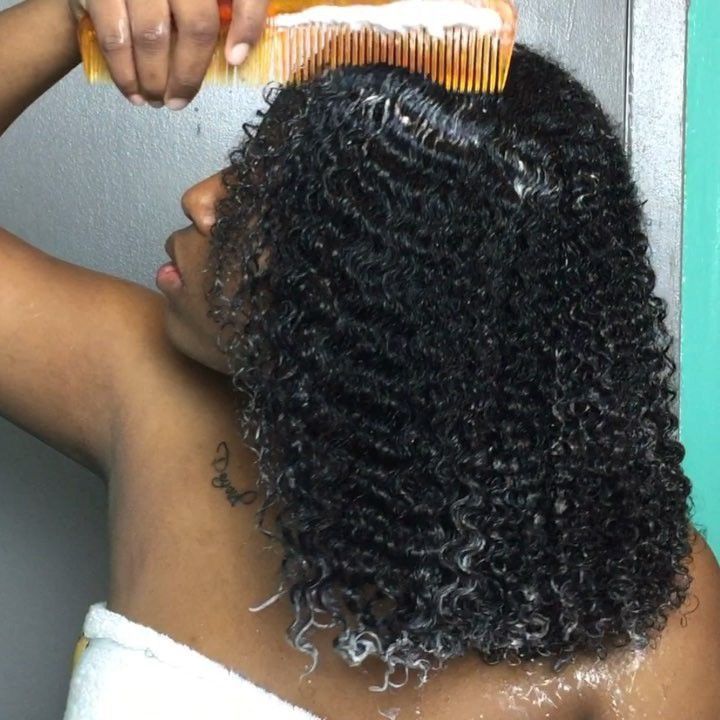
Scalp Care Basics While Wearing a Wig
Your scalp needs attention just as much as your strands do during wig wear. A lightweight oil or scalp serum can help prevent dryness and flaking.
Apply it directly to the scalp through the parting, using your fingertips.
Avoid heavy, greasy products that can clog pores and trap dirt underneath. Light, fast absorbing formulas work best for this kind of ongoing care.
A healthy scalp supports healthy hair growth, even while it’s covered.
Pay attention to areas that tend to get warmer, like near your hairline. Those spots often need a bit more attention than the rest of your scalp.
A little extra care in high friction areas prevents most common problems.
Consider a light scalp massage during your moisturizing routine to boost circulation.
Better circulation supports healthier hair growth over time, even under a wig. This small addition takes just a minute but offers real benefit.
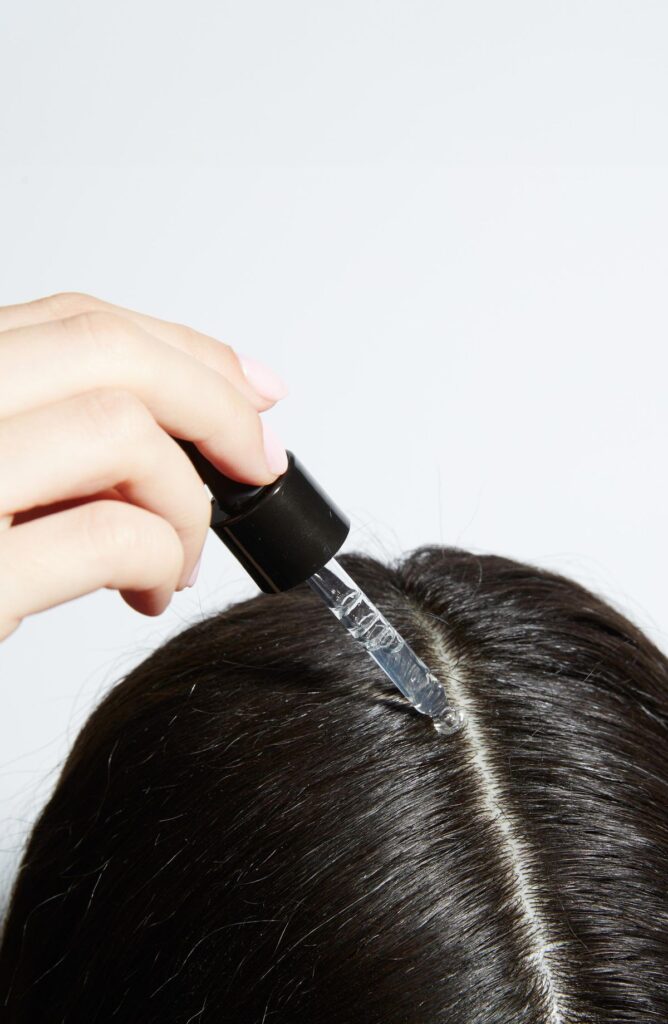
Oils and Sprays That Actually Penetrate a Cap
Not every product is designed to work through a wig cap effectively. Look for lightweight sprays or serums rather than thick creams or heavy oils.
Watch out for common heat protectant mistakes that apply here too, like assuming more product always means better results.
A fine mist spray reaches more of your scalp than a thick, hard to spread cream.
Test a small amount first to see how well it actually penetrates your setup. The right product makes this whole routine faster and more effective.
Keep a small travel bottle of your favorite product nearby for quick touch ups. Convenience makes the difference between a habit you keep and one you abandon.
Small, accessible tools support consistency far more than perfect products ever could.
Rotate between a couple of trusted products if one ever feels less effective. Your hair can sometimes adjust to a single formula over time, reducing its impact.

How Often to Moisturize Underneath
Most people benefit from moisturizing their hair under a wig every two to three days.
Drier climates or hair types might need more frequent attention than that. Pay attention to how your hair actually feels, not just a fixed schedule.
Overdoing it can lead to buildup, while underdoing it leads to dryness and breakage. Finding the right balance takes a little trial and error at first. Once you find your rhythm, it becomes a quick, automatic habit.
Keep a simple log for the first few weeks if you tend to lose track. Note how your hair feels a day or two after each application. That feedback helps you fine tune your schedule more precisely over time.
Seasonal changes can also shift how often your hair needs moisture underneath. Winter air tends to be drier, often calling for slightly more frequent care.

Cleansing Your Scalp Without Full Removal
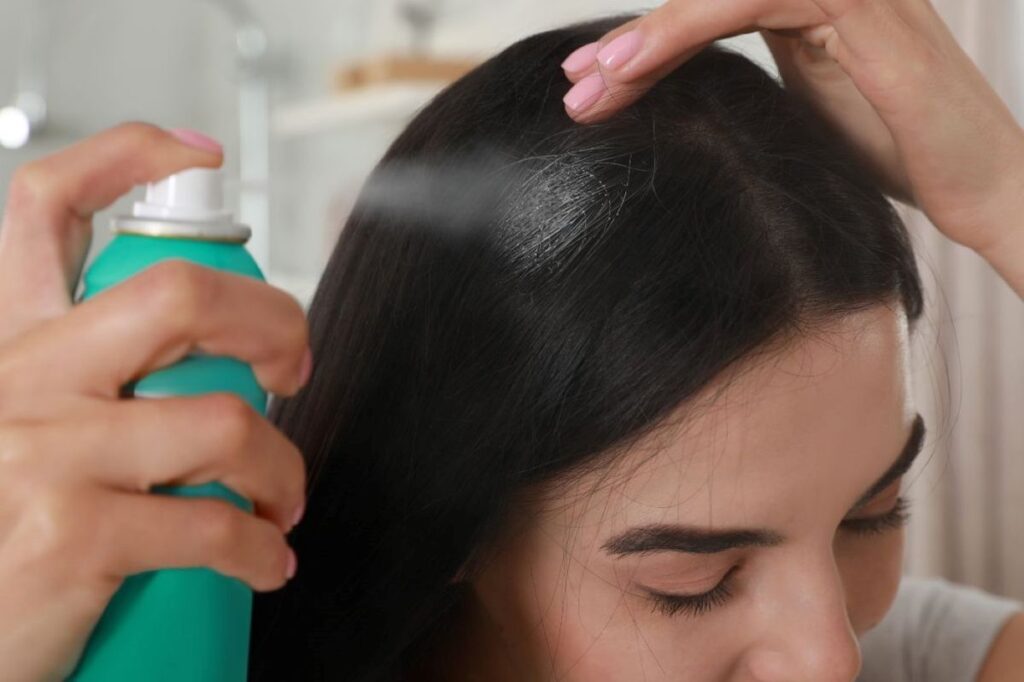
A dry shampoo or scalp cleansing spray can help between full wig removals.
Apply it directly to the scalp and gently work it in with your fingers. This helps control oil and buildup without disrupting your entire style.
Full removal and washing is still necessary periodically, but this bridges the gap.
It keeps your scalp feeling fresher during longer stretches of continuous wear. A clean scalp underneath makes the whole experience far more comfortable.
Look for formulas specifically designed for use under wigs and protective styles.
General dry shampoos work in a pinch, but specialized options often perform better. A small investment in the right product pays off in daily comfort.
Do this cleanse roughly once a week if you’re wearing your wig continuously. It’s not a replacement for a full wash, just a helpful bridge between them.
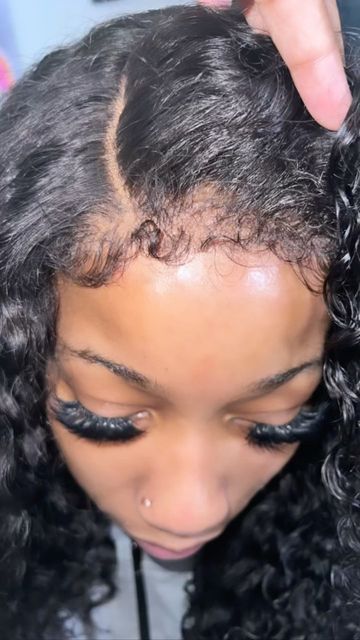
Signs Your Hair Is Struggling Under There
Persistent itching, unusual odor, or visible flaking are all signs something needs attention.
This is similar to watching for damage signs, the same way you’d compare silk press vs blowout results. Don’t ignore these signals just because your hair is out of sight.
Catching problems early makes them far easier to address than waiting until removal day.
A quick check every few days helps you stay ahead of bigger issues. Trust what you feel, even if you can’t see what’s happening underneath.
Set a reminder on your phone if you tend to forget these quick check-ins. A thirty second peek through the parting can catch problems before they escalate.
This tiny habit protects weeks of effort you already put into your hair.
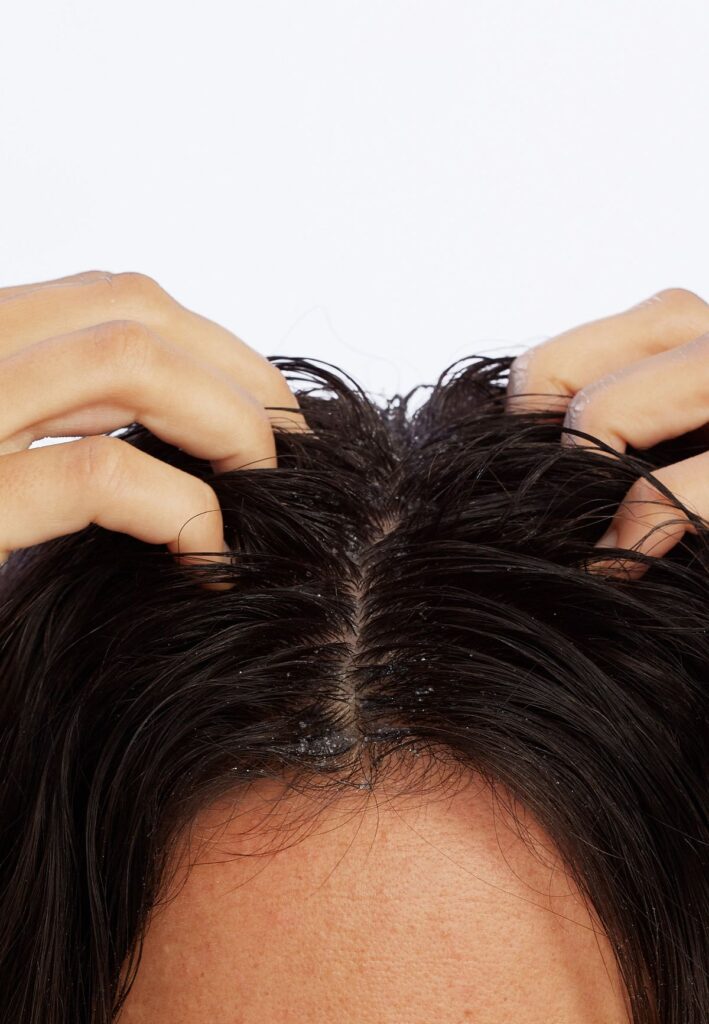
Preventing Buildup and Odor
Buildup and odor usually come from trapped oil, sweat, and product residue combined.
Regular light cleansing between full washes helps keep both under control. A breathable wig cap also makes a noticeable difference in airflow underneath.
Avoid heavy styling products on your natural hair before sealing it under a cap. Lighter formulas are easier to manage and less likely to cause buildup.
Fresh air exposure, even briefly, also helps keep things feeling clean.
Change your wig cap regularly, since it absorbs oil and sweat over time. A fresh cap paired with a clean scalp makes a noticeable difference in comfort.
Small swaps like this add up to a fresher feeling routine overall.
Air out your wig itself between wears too, not just your natural hair. A few hours of fresh air helps reduce any lingering odor from the day.
Nighttime Care While Wearing a Wig
Sleeping in a wig regularly can trap heat, moisture, and friction against your scalp. If you do sleep in your wig, use a silk or satin bonnet over it.
This protects both your natural hair and the wig itself from friction damage.
Removing the wig at night, when possible, gives your scalp a real break. Even a few hours of exposure to air can make a noticeable difference.
Balance convenience with what actually keeps your hair and scalp healthiest.
A silk pillowcase offers a middle ground if removing the wig nightly isn’t practical.
It reduces friction even if you choose to sleep with the wig on. Small adjustments like this add up over weeks of continuous wear.
Whichever option you choose, stay consistent with it rather than switching back and forth. Consistency helps your scalp and hair adjust to a predictable, protective routine.

Checking In On Your Edges
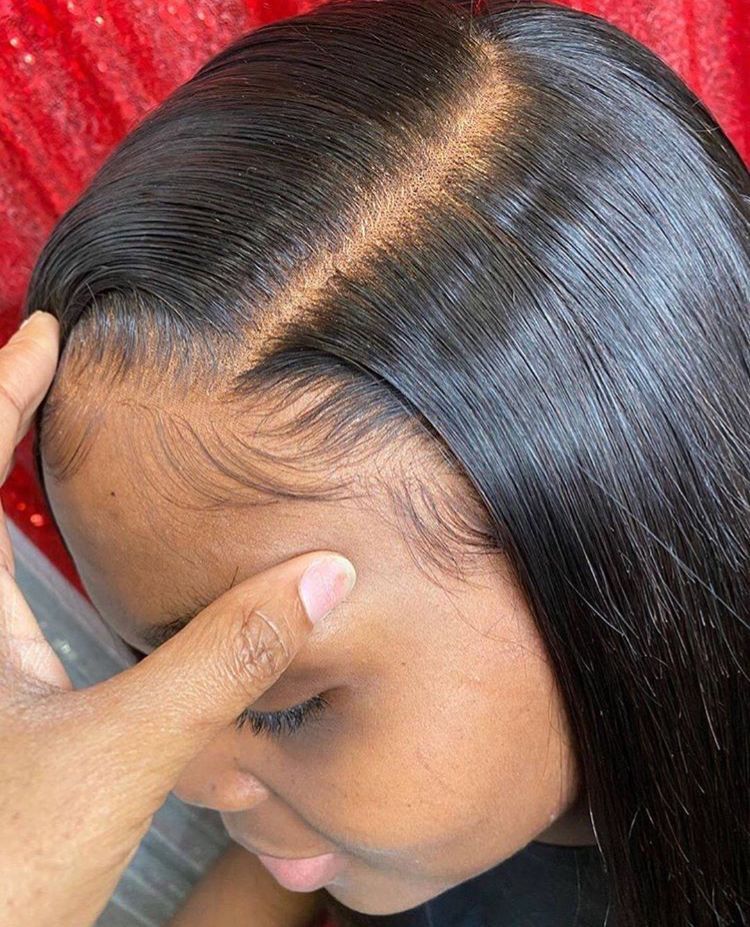
Your edges deserve regular attention, even while they’re tucked under a wig cap. Check for signs of tension, thinning, or irritation every few days.
This connects to a bigger question, like whether your favorite hairstyle is damaging your hairline more than you think.
Loosen the wig band if you notice any pulling or discomfort along your hairline.
Healthy edges are worth prioritizing over a slightly more secure fit. A little flexibility here protects hair that’s notoriously slow to regrow.
Gently massage your edges when you moisturize the rest of your scalp. This small addition takes almost no extra time but offers real benefit.
Consistent, gentle attention here prevents most of the common edge problems people experience.
Managing Itching and Irritation
Mild itching is common, but persistent or severe irritation is worth investigating further.
Sometimes itching connects to dryness, so ask whether your hair still feels dry after moisturizing as a possible cause. Other times it’s simply buildup that needs a proper cleanse.
Avoid scratching directly through the wig, since that can damage both the wig and your hair.
Use a scalp massager or your fingertips gently through the parting instead. Addressing the root cause works better than just masking the discomfort.
If irritation persists despite your best efforts, consider giving your scalp a longer break. Occasionally, a specific product or wig material might be the actual culprit.
Ruling out these possibilities helps you find lasting relief instead of temporary fixes.

What to Do If Your Hair Feels Matted
Matting usually happens when hair isn’t properly detangled or moisturized before installation.
This connects to the same technique issues behind why your twist-out never looks like everyone else’s. Prep quality matters everywhere, not just for this one situation.
Apply a generous amount of leave in conditioner or detangling spray to the matted area. Work through it slowly with your fingers before attempting a comb.
Patience here prevents unnecessary breakage from forcing a comb through resistant knots.
If the matting feels severe, consider seeking help from a professional stylist.
Trying to force through significant matting on your own can cause more harm than good. There’s no shame in asking for help when your hair needs it.

Removing the Wig the Right Way
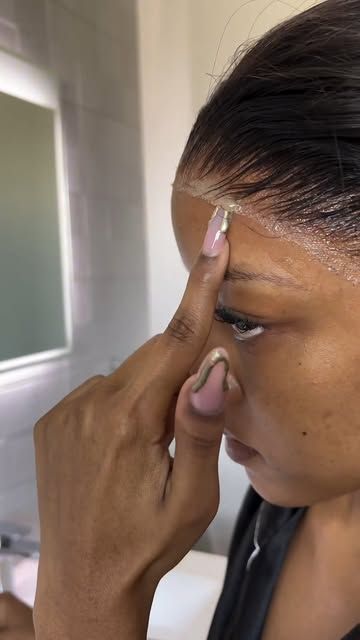
Take your time removing the wig, rather than yanking it off in one quick motion. Gently release any pins, clips, or adhesive before lifting the wig away.
Rushing this step can cause unnecessary tension or pulling on your natural hair.
Once removed, your hair will need proper attention, starting with detangling and stretching.
This connects to the same care covered in how to blow dry afro hair without damage. That advice applies right after removal too, not just before installation.
Take a moment to assess your hair’s condition as soon as the wig comes off. This gives you a clear starting point for whatever comes next in your routine.
A calm, unhurried removal process protects the progress you’ve made.
Post-Removal Hair Care
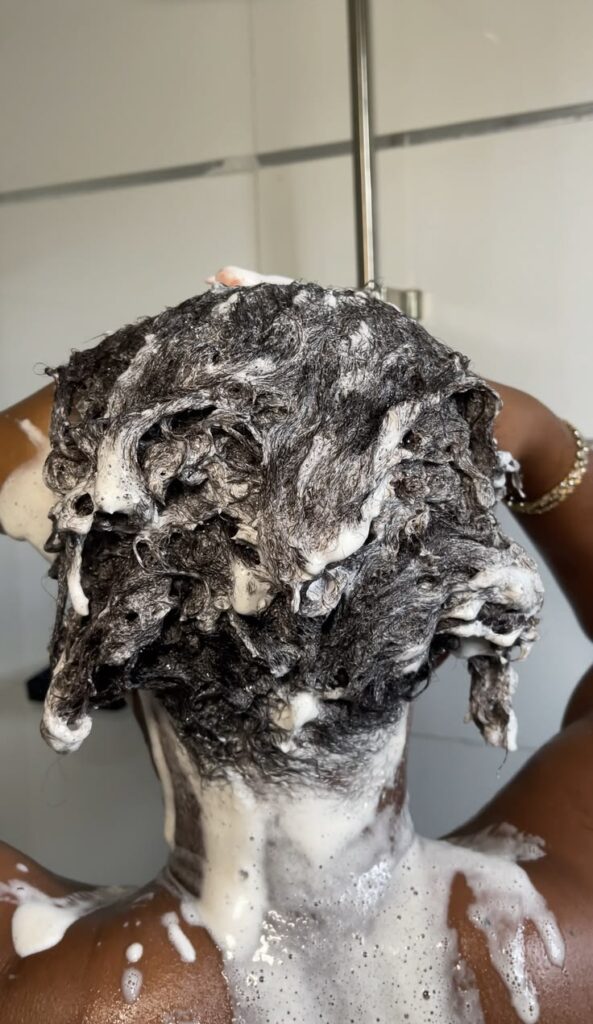
Once the wig comes off, your hair needs a full reset before its next style. Wash thoroughly to remove any buildup that accumulated during the wear period.
If you’re moving into another heat style, revisit the complete beginner’s guide to silk presses for a quick refresher.
Deep condition generously, since your hair has been through an extended period of coverage.
Give your scalp and strands a few days to breathe before the next protective style. This reset period matters just as much as the prep did originally.
Take stock of your hair’s overall condition before jumping straight into the next style. A quick assessment helps you decide whether it needs extra treatment or a simple wash.
Treating this moment as a checkpoint, not just a chore, improves your results.
How Long You Can Safely Go Between Full Washes
Most people can safely go one to two weeks between full wig removals and washes.
Learning how long you should wear a wig continuously helps you plan your washing schedule around your actual wear time.
Longer stretches require more diligent care with the methods covered in this post.
Listen to your scalp rather than following a strict, one size fits all rule. Some people need more frequent washes, while others can comfortably go longer.
Your comfort and hair health should always guide your personal schedule.
Factor in your activity level and climate when deciding your own schedule. Someone who exercises daily will likely need more frequent care than someone with a calmer routine.
Adjust based on your real life, not a generic recommendation online.

Balancing Protective Styling With Hair Growth
Protective styles like wigs can support healthy hair growth when done correctly. But excessive tension or neglect can undo those benefits just as easily.
If you’re not seeing expected progress, it’s worth exploring why your afro hair isn’t growing as a separate concern.
Growth isn’t just about protection, it’s also about consistent moisture and gentle handling.
A wig alone won’t guarantee results without the care habits to back it up. Balance both pieces for the best possible outcome over time.
Track your progress with photos every month or two, rather than checking daily. Daily changes are hard to notice, but monthly comparisons show real patterns.
This perspective helps you stay motivated and adjust your routine when needed.
Common Mistakes People Make Under Wigs
Skipping moisture entirely because “nobody will see it” is a surprisingly common mistake.
Watch out for the hidden mistake that’s breaking your hair every single week, since small habits compound over time.
Watch out for the biggest wig mistakes that damage your hair too, since many happen during extended wear.
My sister-in-law Sarah once wore the same wig for nearly a month without proper care.
She ended up dealing with matting and unexpected shedding at removal. Now she sets reminders to check in on her hair every few days.
She also learned to keep her prep kit accessible for quick mid wear touch ups. That small change made ongoing care feel far less like a chore.
Consistency, once built into her routine, became almost effortless over time.

Building a Sustainable Wig Care Routine
A sustainable routine doesn’t need to be complicated or time consuming to work well. A few consistent habits, repeated regularly, beat an elaborate routine you eventually abandon.
Learning how to keep a silk press looking fresh longer offers similar lessons about consistency mattering more than intensity.
Keep your products simple and accessible, so care becomes a quick habit, not a chore. Set reminders if you tend to forget, especially during your first few weeks.
Consistency builds naturally once the routine feels manageable and realistic.
Review your routine every month or so and adjust based on what’s actually working. What worked during one season might need tweaking as your schedule or climate changes.
Flexibility keeps your routine sustainable over the long run, not just the first few weeks.

When to Take a Longer Break From Wigs
Sometimes your hair needs a longer break than a quick wash and reinstall. If you’ve read the beginner’s guide to wigs for natural hair, you know rotation matters for long term health.
Signs like persistent thinning or slow recovery are worth taking seriously.
A month or two without any protective styling can give your hair real recovery time.
This isn’t a failure, just a normal part of a healthy, long term hair care rhythm. Your hair will usually respond well to the extra breathing room.
Use this break to focus on deep conditioning and gentle, low manipulation styles instead. Simple twists or braids without any wig on top can still protect your hair.
This period gives you a chance to reassess your entire routine from the ground up.
Final Thoughts on Caring for Hidden Hair
Just because your hair is hidden doesn’t mean it stops needing your attention. Moisture, gentle handling, and regular check-ins keep your hair healthy through every wear.
Small, consistent habits protect your progress far more than intensity ever could.
Give your hair the same care whether or not anyone can see it. That mindset shift alone changes how most people approach their entire wig routine.
Healthy hair underneath is always worth the small extra effort it takes.
Every install is a chance to practice and refine your routine a little more. What feels effortful now will feel automatic after just a few tries.
Your hair’s health, hidden or visible, deserves that consistent effort every single time.




3 Comments