
The Biggest Wig Mistakes That Damage Your Hair
Disclosure: Some of the links in this post are affiliate links. This means if you click on the link and purchase an item, I will receive an affiliate commission at no extra cost to you.
It’s not the wig itself that quietly damages your hair over time. It’s everything people do around it, before, during, and after.
Wigs get blamed constantly for hair loss, thinning, and breakage that has nothing to do with the wig itself. The real culprits are usually smaller, sneakier habits nobody thinks twice about.
A little too much tension here, a skipped step there, and the damage builds quietly. None of it looks dramatic in the moment, which is exactly what makes it dangerous. By the time you notice, weeks or months of small mistakes have already added up.
If you’ve read how to care for afro hair under a wig, you already know ongoing care matters. This post takes it further, naming the specific mistakes that cause the most damage.
Some of these might surprise you, especially if you’ve been doing them for years without any problems. Let’s break down what actually hurts your hair, and how to avoid it going forward.
The Biggest Wig Mistakes That Damage Your Hair
Why Wig Mistakes Often Go Unnoticed Until It’s Too Late
Hair damage from wigs rarely shows up immediately after a single mistake.
It builds slowly, over weeks or months, until the damage becomes hard to ignore. That gradual timeline makes it easy to miss the actual cause.
By the time thinning or breakage becomes obvious, the habit causing it feels normal.
Breaking that pattern requires first recognizing it as a problem in the first place. Awareness is genuinely the first step toward protecting your hair long term.
Most people don’t set out to damage their hair on purpose. They simply repeat small habits without questioning whether those habits are actually helping.
This post exists to name those habits clearly, so you can catch them early.

Mistake: Skipping Proper Prep
Rushing through prep, or skipping it entirely, sets your hair up for trouble from day one.
Following how to prep your hair before installing a wig protects your natural hair for the entire wear period. Skipping this step is one of the most preventable mistakes on this list.
Detangling, moisturizing, and proper base styling all matter more than people realize going in.
A rushed five minute prep job often costs you weeks of discomfort later. Taking the time upfront saves you real trouble down the road.
Think of prep as an investment rather than an obstacle standing between you and your style.
That mindset shift alone can make the whole process feel more worthwhile. A little patience here pays dividends for the rest of your wear.

Mistake: Choosing the Wrong Size
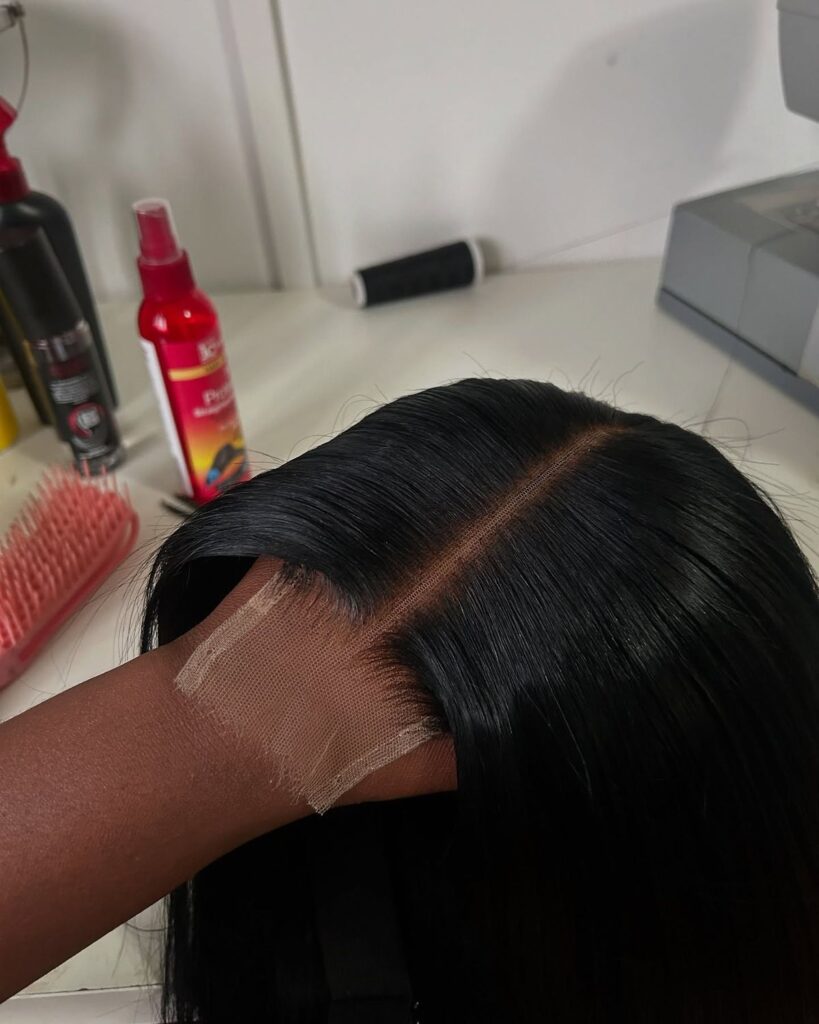
A wig that’s too tight causes tension headaches and unnecessary stress on your scalp. A wig that’s too loose leads to constant readjusting and awkward slipping throughout the day.
If you’re new to wigs, revisit the beginner’s guide to wigs for natural hair for sizing basics.
Measuring properly before you buy prevents most sizing related discomfort entirely. A slightly imperfect fit might seem like a minor issue at first.
Over weeks of wear, though, it can lead to real tension and irritation.
Adjustable straps help, but they can’t fully compensate for a cap that’s the wrong size overall.
Take the time to measure accurately before every single purchase you make. That extra few minutes saves you from weeks of avoidable discomfort.
Different brands size their caps slightly differently, even within the same labeled size range. Don’t assume your size stays constant across every retailer you buy from.
Checking each brand’s specific size chart avoids a frustrating, ill fitting surprise.
Mistake: Braiding Too Tightly
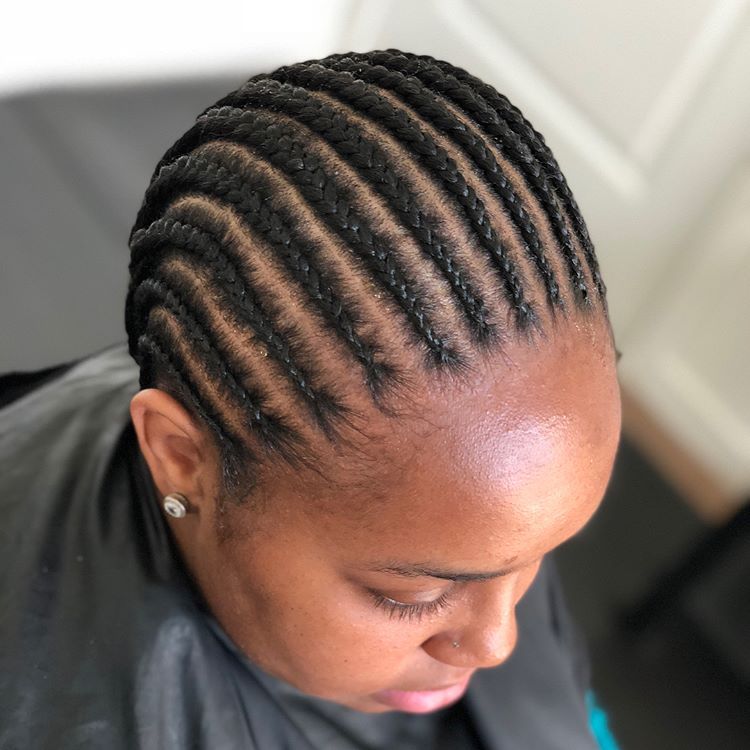
Tight braids might feel more secure, but they come with a real cost. Excessive tension at the hairline is one of the fastest ways to damage edges.
Numbness, headaches, or visible pulling are all signs your base is too tight.
A secure base doesn’t need to hurt to hold your wig in place properly. Communicate clearly with your stylist if something feels uncomfortably tight during installation.
Your comfort matters just as much as how neat the finished base looks.
Traction alopecia, a form of hair loss caused by tension, can develop from this habit repeated over time.
It’s a real, documented risk, not just a minor inconvenience. Taking tightness seriously now protects your hairline for years to come.
Mistake: Ignoring Your Edges
Edges are some of the most fragile hair on your entire head. This connects to a bigger question, like whether your favorite hairstyle is damaging your hairline more than you realize.
Consistent tension, even mild tension, adds up over repeated installs.
Give your edges regular breaks from any kind of pulling or adhesive. Once they thin out, they can take months or longer to fully recover.
Prevention is always easier than trying to rebuild damaged edges later.
Check your edges in good lighting every few weeks, not just when something feels wrong.
Early thinning can be subtle and easy to miss without a deliberate check. Catching it early gives you the best chance at full recovery.
A gentle finger comb through your edges during moisturizing takes only seconds. That tiny habit, repeated consistently, does more for edge health than any single product could.
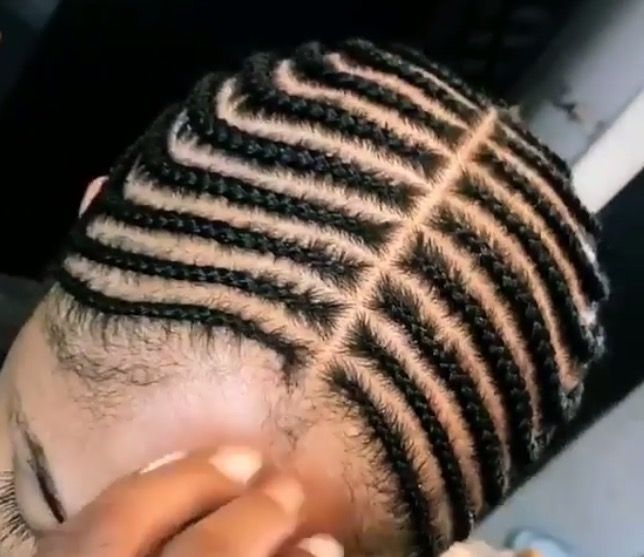
Mistake: Wearing the Same Wig Too Long Without a Break
Extended wear without any removal puts ongoing strain on your scalp and hair. Learning how long you should wear a wig continuously helps you build in necessary breaks.
Constant wear without pause leads to buildup, tension, and eventually visible damage.
Give your scalp regular rest periods, even short ones between longer installs. Your hair needs exposure to air and light care just as much as protection.
Balance protection with breaks for the healthiest long term results.
It’s tempting to stretch out a good install as long as possible. Resist that urge and stick to a reasonable schedule instead.
Your hair’s long term health matters more than squeezing a few extra days out of one style.

Mistake: Skipping Moisture Underneath
Many people assume hidden hair doesn’t need the same moisture as visible hair. That assumption leads directly to dryness, brittleness, and eventual breakage over time.
Sometimes hair still feels dry despite what seems like semi-regular care.
Ask yourself if your hair still feels dry after moisturizing, since that points to a deeper issue worth addressing.
Consistent, light moisture underneath prevents most of these common problems. A quick routine through the parting takes only a few minutes.
Set a recurring reminder if moisture tends to slip your mind during busy weeks.
A missed day here or there isn’t the end of the world. A consistent pattern over time is what actually protects your hair.
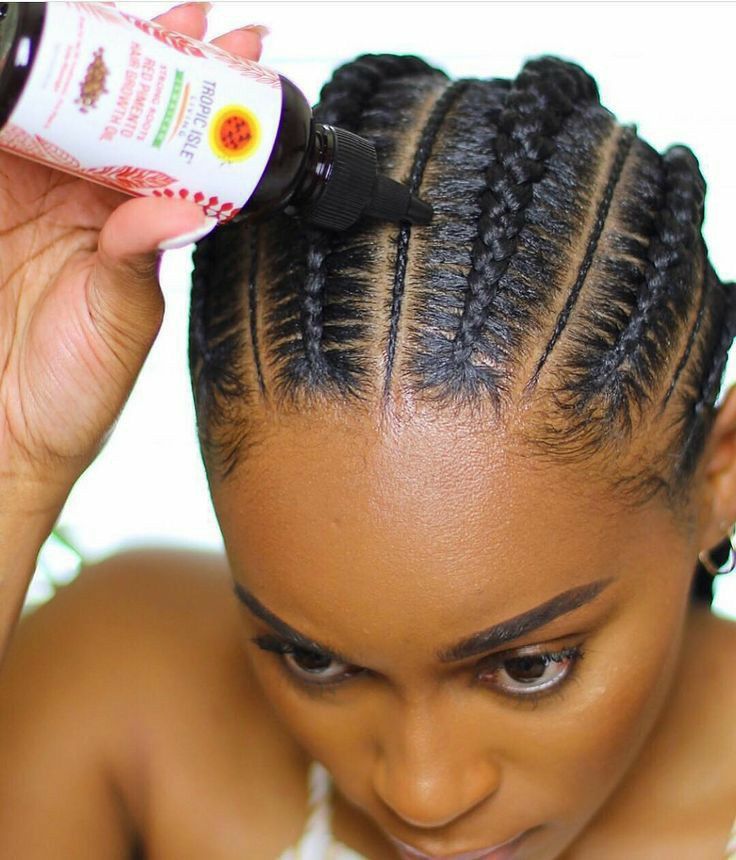
Mistake: Using Too Much Adhesive
Heavy glue or excessive adhesive application creates unnecessary stress on delicate skin and hair.
Removal becomes harder and more damaging when too much product was used initially. A gentler hold usually works just as well with far less risk.
Choose adhesive products designed specifically for sensitive skin and hairlines. Less is almost always better when it comes to adhesive application. Your edges will thank you for the lighter touch over time.
If removal ever requires excessive pulling or scrubbing, you likely used too much the first time.
Adjust your amount for next time rather than repeating the same heavy handed approach. Small corrections here prevent a lot of unnecessary hairline stress.

Mistake: Sleeping in a Wig Every Night
Nightly wig wear, without any protective wrap, creates constant friction against your scalp. This connects to nighttime habits covered in how to keep a silk press looking fresh longer.
Protection matters just as much here as it does there. Friction damage accumulates slowly but noticeably over weeks of repeated exposure.
A silk or satin bonnet over your wig reduces this friction significantly. Removing the wig at night, when possible, gives your scalp the most complete rest.
Small nighttime adjustments protect your hair more than people usually expect.
Cotton pillowcases make this problem worse, since they grip and pull at both your wig and your hair.
Switching to silk or satin is a small change with a noticeably large impact. It’s one of the easiest fixes on this entire list.

Mistake: Not Cleaning Your Scalp Between Washes
Skipping scalp care between full washes allows oil, sweat, and product to build up. This is similar to comparing silk press vs blowout aftercare, where neglect leads to worse results either way.
A dirty scalp under a wig creates the perfect environment for irritation.
Light cleansing sprays or dry shampoos can bridge the gap between full washes. This simple habit keeps your scalp fresher during longer stretches of wear.
Comfort and hair health both improve with this small addition.
A build up of product and oil doesn’t just feel uncomfortable, it can also cause real irritation.
Left unaddressed, that irritation sometimes leads to more serious scalp issues. A quick, regular cleanse prevents most of these problems before they start.
Set a recurring day each week dedicated to this quick scalp refresh. Treating it as a scheduled habit, rather than an afterthought, keeps you consistent.
A predictable routine is far easier to maintain than one you have to remember on the fly.
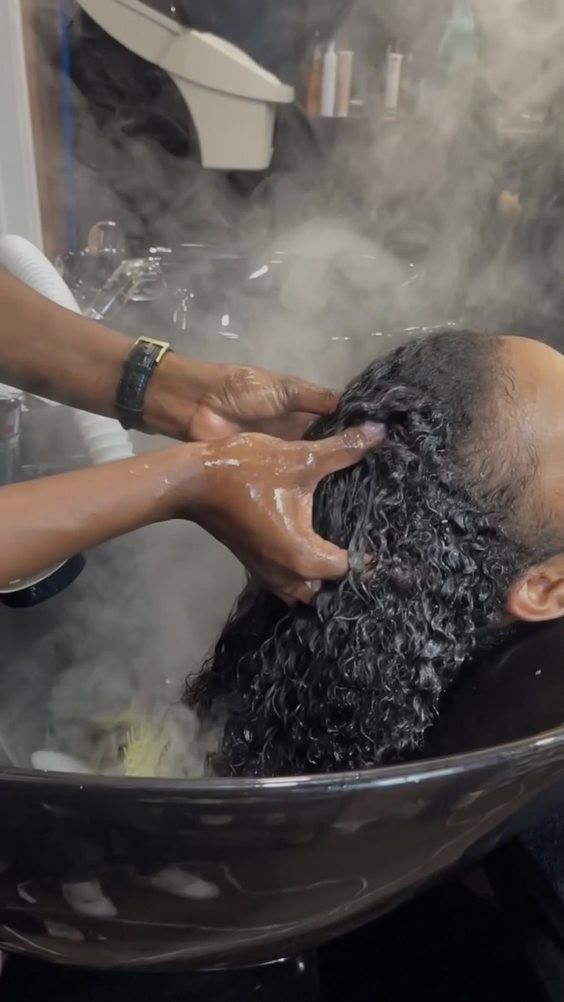
Mistake: Ignoring Itching or Irritation
Mild itching sometimes gets dismissed as a normal part of wearing a wig. Watch out for the hidden mistake that’s breaking your hair every single week.
Persistent irritation often signals a real problem that’s worth addressing. Ignoring these signals for too long usually makes the underlying issue worse.
Address itching early, rather than waiting for it to become unbearable. Sometimes it’s dryness, sometimes buildup, and sometimes an ingredient your scalp doesn’t tolerate well.
Identifying the actual cause leads to a much faster, more effective fix.
Keep a mental note of what changed right before the itching started. A new product, a new wig, or a longer wear time can all be culprits.
Working backward from the timeline often reveals the actual source quickly.
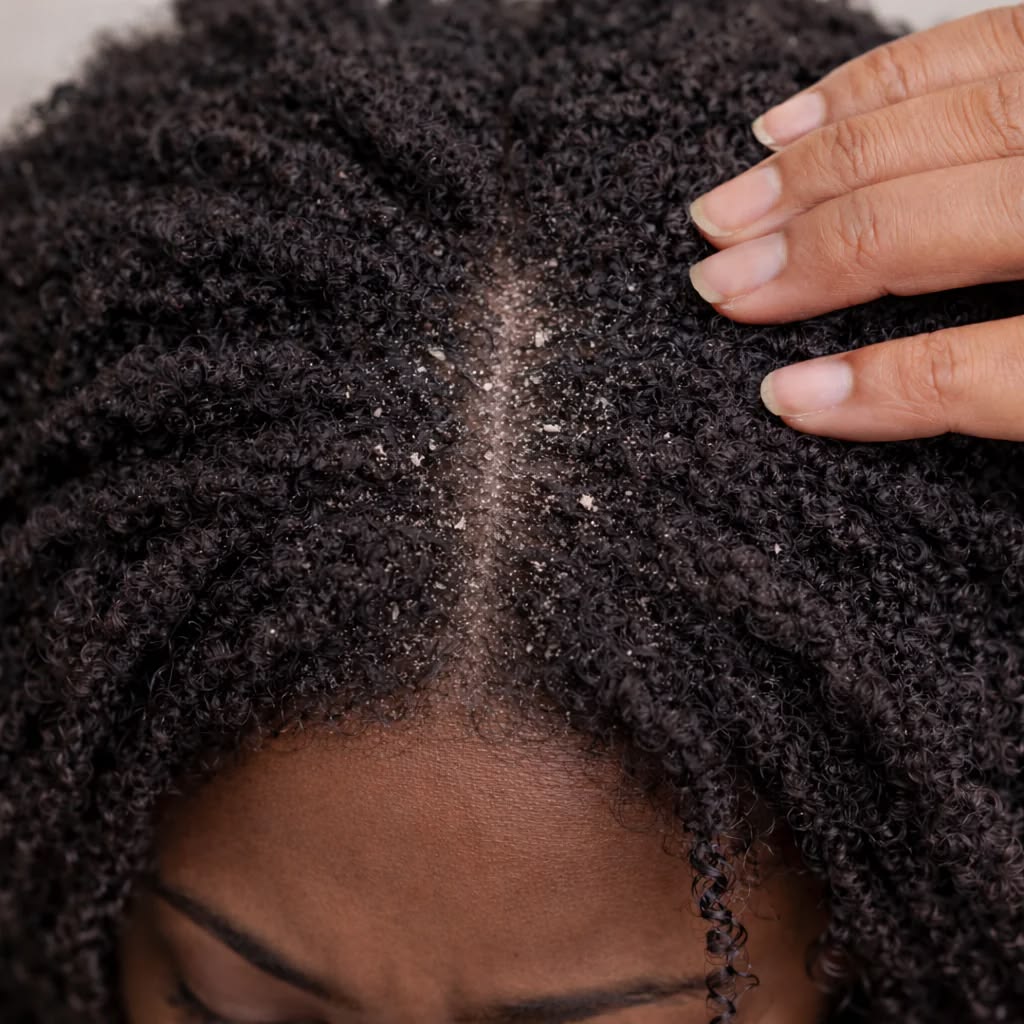
Mistake: Rough Removal
Yanking a wig off quickly might feel satisfying after a long day. That habit, repeated often, causes real tension and unnecessary stress on your hair.
This connects to the same gentle handling covered in how to blow dry afro hair without damage. That advice applies just as much during removal, not only styling.
Take a few extra minutes to release pins, clips, or adhesive carefully. A calm, unhurried removal process protects the progress your hair has made.
Rushing this final step undoes some of the careful work from earlier.
End of day exhaustion is real, and rushing removal is an easy trap to fall into. Build in a few extra minutes for this step, even when you’re tired.
Your hair doesn’t know the difference between a good day and an exhausting one.

Mistake: Skipping Post-Removal Care
Once the wig comes off, many people jump straight into the next style. Skipping the reset in between denies your hair a chance to recover properly.
If you’re heading into a silk press next, revisit the complete beginner’s guide to silk presses for a refresher.
A proper wash, deep condition, and short rest period matter more than people realize.
Your hair has been through weeks of coverage and deserves genuine attention. Treating removal as a finish line, not a fresh start, is a common mistake.
Give yourself at least a day or two before jumping into the next protective style. That short pause lets your scalp breathe and your hair fully reset.
Rushing straight into the next install skips a genuinely important recovery window.

Mistake: Using the Wrong Products Underneath
Heavy, greasy products can clog pores and trap dirt against your scalp. Lightweight, fast absorbing formulas work much better for hidden, covered hair.
The wrong product choice often causes more harm than doing nothing at all.
Read labels carefully and choose products designed for use under wigs specifically.
General products aren’t always formulated with this kind of coverage in mind. A little research upfront prevents frustrating trial and error later.
Sample sizes let you test new products before committing to a full bottle. This small step saves money and prevents a bad reaction from ruining an entire install.
A cautious approach with new products always beats blind trust.

Mistake: Overusing Heat on Human Hair Wigs
Human hair wigs can handle heat, but that doesn’t mean unlimited heat is safe. Repeated high temperature styling wears down a wig’s quality just like it would natural hair.
Watch out for common heat protectant mistakes, since skipping protection applies to wig hair too.
Use the lowest effective heat setting whenever you’re styling a human hair wig.
Applying protectant before heat extends the wig’s lifespan quite significantly. Treating a wig gently helps it look better for much longer.
Excessive heat on a human hair wig shows up as dryness and dullness over time. Once that damage happens, restyling successfully becomes far more difficult.
A gentle approach from the start protects your investment far more effectively.

Mistake: Wearing Wigs as Damage Control Instead of Prevention
Some people only reach for wigs after noticing serious damage or breakage. Wigs work best as a proactive protective tool, not a last resort fix.
Waiting until damage is severe makes recovery slower and more complicated.
Consider incorporating wigs into your rotation before problems appear, not just after.
Prevention almost always beats trying to repair damage that’s already happened. A proactive mindset changes how effectively wigs actually protect your hair.
Think of protective styling as ongoing maintenance, similar to regular trims or deep conditioning. Waiting for a crisis before acting rarely leads to the best outcomes.
Consistent, preventive habits protect your hair more reliably than reactive fixes ever could.

Mistake: Ignoring Signs of Hair Loss
Persistent shedding, thinning, or slow growth deserve real attention, not dismissal. If you’re noticing these patterns, it’s worth exploring why your afro hair isn’t growing as its own separate concern.
Wigs shouldn’t be used to simply hide a problem that needs addressing.
Consult a professional if hair loss continues despite adjusting your wig habits. Sometimes the cause is unrelated to wigs entirely, and needs different attention.
Don’t let a protective style become a way of avoiding a real conversation about your hair.
It’s easy to hide behind a wig when something feels wrong with your hair. That temporary comfort doesn’t solve the underlying issue causing the problem.
Facing it directly, even when it’s uncomfortable, leads to real, lasting solutions.
How to Recover From These Mistakes
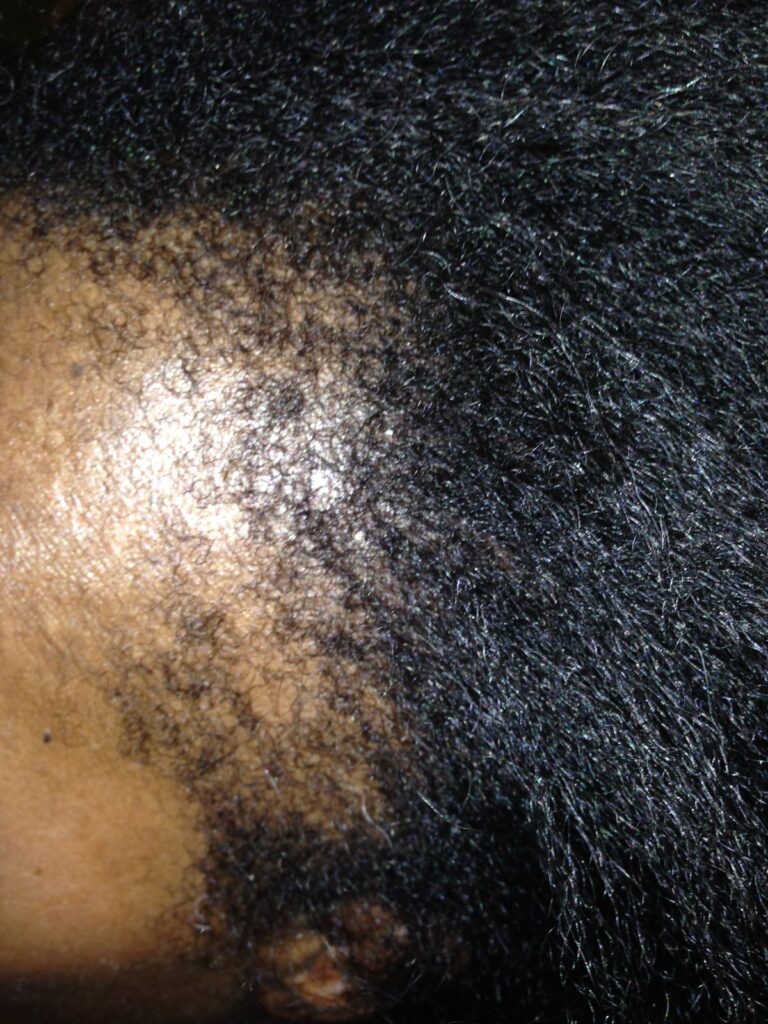
Recovery starts with identifying which mistakes actually apply to your own routine. Technique matters here just as much as it does with curly styles.
It’s a bit like why your twist-out never looks like everyone else’s, since small habits change everything. Small adjustments, applied consistently, make the biggest difference over time.
Give your hair a genuine break from wigs if damage feels significant. Deep conditioning, gentle handling, and patience help rebuild strength gradually.
Recovery takes time, but most damage responds well to consistent, thoughtful care.
Be patient with the process, since visible improvement often takes several weeks or months.
Comparing your progress to someone else’s timeline rarely helps and often discourages you. Focus on your own hair’s response instead of anyone else’s results.
Building Better Habits Going Forward
Better habits don’t require a complete overhaul of your entire routine overnight. Start with the one or two mistakes that feel most relevant to you.
Small, consistent changes compound into real results over the following months.
My neighbor Karen used to make several of these mistakes without realizing it. Once she addressed her tight braiding and skipped moisture habits, her hair improved noticeably.
She still wears wigs regularly, just with a smarter, more attentive routine now.
She keeps a short checklist taped inside her bathroom cabinet as a simple reminder.
It covers moisture, edge checks, and cap cleaning, her three biggest problem areas. That small visual cue has kept her consistent for months now.
Final Thoughts on Protecting Your Hair Long Term
Wigs themselves aren’t the enemy, careless habits around them usually are. Awareness, consistency, and gentle handling protect your hair far more than any single product.
Small adjustments made today prevent much bigger problems from developing later.
Give yourself credit for learning and adjusting, rather than dwelling on past mistakes. Your hair responds well to consistent care, even after a rocky start.
Healthy, protected hair is absolutely possible with the right habits in place.
Revisit this list every few months as a quick check on your own routine. Habits can slip back over time, especially during busy or stressful stretches. A regular refresher keeps your hair protected for the long run.
None of this requires perfection, only steady attention over time. The goal isn’t to fear every wig you own, but to wear each one with a little more care.
That small shift in mindset is often the difference between hair that thrives under protection and hair that quietly suffers.





2 Comments