
How Long Should You Wear a Wig Continuously?
Disclosure: Some of the links in this post are affiliate links. This means if you click on the link and purchase an item, I will receive an affiliate commission at no extra cost to you.
Some people, any time they put on their wig, they forget they have their natural hair under the wig. They wake up, snap the wig on, and go about their day like their real hair does not exist anymore.
Days turn into weeks, and before they know it, the wig has not come off once. This happens more often than most people admit, and it is not always harmless. It is also one of the fastest ways to damage a hairline without ever noticing it happening.
If you already read a beginner’s guide to wigs for natural hair, you know wigs can protect your hair. But that protection only works when worn the right way, for the right length of time. There is a real limit to how long it actually lasts, no matter how convenient it feels.
Push past that limit often enough, and the damage becomes hard to ignore. Let’s talk about how long you should keep a wig on. We will also cover what happens when you push past that limit. And we will look at how to build habits that keep your hairline safe.
How Long Should You Wear a Wig Continuously?
Why This Question Matters More Than You Think
Most people ask about wig glue, wig styles, or which brand lasts the longest. Almost nobody stops to ask how long is actually too long for continuous wear.
This question quietly affects your hairline, your scalp, and your overall growth pattern. Your hair is still fully alive under that wig cap, even when it is hidden away.
It still needs fresh air, real moisture, and a break from constant tension. Ignoring wear time is one of the quiet reasons people slowly lose length without noticing.
It happens gradually, so you barely notice the damage until it finally shows up in the mirror. By then, the fix takes far longer than the small habit that would have prevented it.
Skipping this one detail can quietly undo months of careful styling and moisturizing work. It is not glamorous advice, but it is some of the most useful advice you will get.
Once you understand wear time, everything else about wig care starts to make more sense.

What Happens to Your Hair Under a Wig Over Time
Under a wig cap, your scalp sweats and your hair gets far less airflow than usual. Moisture builds up steadily if you do not manage your scalp well during wear.
Over several days, this creates a warm, damp space that bacteria and fungi genuinely enjoy. Your edges also stay flattened under constant pressure from the cap band all day.
The longer this pressure continues, the more strain your hairline slowly takes on. Think of it like wearing tight shoes for a full week without ever taking them off.
Eventually your feet would swell, ache, and show real signs of stress from that pressure. Your scalp reacts in a similar way when it never gets a proper break.
This is exactly why how to care for afro hair under a wig matters as much as the wig choice.

The Ideal Wearing Window Experts Recommend
Most hair professionals suggest wearing a wig for one to two weeks at a time. After that window closes, your scalp genuinely needs a proper reset before the next install.
This is not a strict rule carved in stone, but it works as a solid guide. Your own scalp condition and daily lifestyle can shift this window slightly either way.
Someone who sweats a lot from regular workouts may need a noticeably shorter cycle. Someone with a calm, naturally dry scalp might be able to stretch it a little longer.
A first timer should lean toward the shorter end until they understand their own scalp better. The point is not the exact number of days written on a chart somewhere.
The point is building a habit of checking in with your scalp regularly. A quick check in the mirror before bed takes less than a minute to do.
Signs You’ve Worn Your Wig Too Long
Your scalp will usually warn you clearly before things get genuinely bad underneath. Itching that simply will not go away is one of the very first signs.
A sour or musty smell when you remove the wig is another major red flag. Flaking, tenderness, or small bumps along your hairline also point straight to trouble.
If your natural hair feels unusually greasy or matted underneath, that is a warning too. Any combination of these signs together should push you to remove the wig sooner rather than later.
Marcus, a client who wore wigs for work every single day, ignored these signs for a month. He kept telling himself the itching would pass once his scalp got used to it.
He also assumed the smell was just his shampoo wearing off during the week. By the time he finally came in for a check, his edges had thinned noticeably.
His stylist explained that trapped sweat had likely irritated his hairline for weeks straight.
This is worth reading alongside could your favorite hairstyle be damaging your hairline, since tension habits often overlap.
A little attention weeks earlier could have saved Marcus from that outcome entirely. He now sets a reminder on his phone for every wig removal day.

How Wig Cap Material Affects Wear Time
Not all wig caps behave the same way once they sit against your scalp. Lace caps generally breathe better than thick, solid dome style caps do.
Mesh caps allow far more airflow, which genuinely helps reduce sweat buildup underneath. If your cap material traps heat easily, you should shorten your total wearing time.
Cheaper synthetic caps tend to trap more moisture than higher quality lace options do. Check your specific cap type carefully before deciding how long to keep a style on.
A breathable cap can safely stretch your wear time by a couple of extra days. Read this next: the complete beginner’s guide to silk presses, since some wig wearers alternate between both styles.
A thick, non breathable cap should push you toward the shorter end of that window instead. This small detail changes your safe wear time more than most people realize at first.
Many people only discover their cap type is the problem after months of guessing.
Daily Wear vs Occasional Wear: Does It Matter?
Yes, this distinction matters far more than most people ever stop to consider. Someone who wears a wig every single day of the week needs stricter breaks.
Someone who wears one only occasionally, like for events, naturally has more flexibility built in. Daily wearers put constant, repeated pressure on the exact same hairline area every day.
This repeated stress is exactly what leads to gradual thinning over several months of wear. Save this for later: silk press vs blowout, what’s the difference, for the days your wig comes off completely.
If wigs are a core part of your everyday routine, plan your breaks well ahead of time. Jasmine, a neighbor who wears wigs for church and work most weeks, keeps a simple paper calendar.
She marks every install date and every planned break so nothing slips her mind. That one habit alone has kept her hairline in great shape for years.

How Your Hair Type Affects Wear Time
Afro hair holds onto moisture very differently compared to looser, more elongated curl patterns. It also tends to dry out faster once it gets trapped under a wig cap.
If your strands already lean toward dry, you should shorten your wig wearing window slightly. Well moisturized hair can generally handle a longer stretch than dry, brittle strands can manage.
This connects closely to why your hair still feels dry after moisturizing, since trapped heat speeds up moisture loss fast.
Knowing how your own hair normally behaves helps you set a realistic, personal wearing schedule. Do not copy someone else’s schedule blindly if your hair type clearly behaves differently from theirs.

The Role of Scalp Health in Wig Wear Time
A healthy, calm scalp can generally handle longer wear than an irritated one can. If you already deal with dandruff or general sensitivity, shorten your wearing cycles right away.
Wearing a wig over an already stressed scalp speeds up existing damage considerably fast. Clean, calm skin recovers faster between wig installs than inflamed, irritated skin ever will.
Pay close attention to how your scalp genuinely feels before starting your next install. Discomfort as early as day five is a real signal, not something worth pushing through.
Treating your scalp health as optional is one of the fastest routes to lasting hair loss. Small, consistent care beats occasional deep treatments done only when problems already show up.
A gentle scalp oil between installs can also help keep irritation from building up.

Nighttime Wear: Should You Sleep in Your Wig?
Sleeping in a wig adds constant friction from your pillow throughout the entire night. It also traps sweat firmly against your scalp for many extra hours while you rest.
If you absolutely must sleep in one, use a satin bonnet or scarf over it. This small step reduces friction and helps protect your hairline while your body rests fully.
Removing the wig at night, even for just a few hours, genuinely helps a lot. A simple habit like this costs nothing but adds real protection over time.
Don’t miss this: how to keep a silk press looking fresh longer, since similar overnight habits protect both styles. Your scalp gets a real chance to breathe before the next full wear cycle begins again.
How Sweat and Humidity Change the Rules
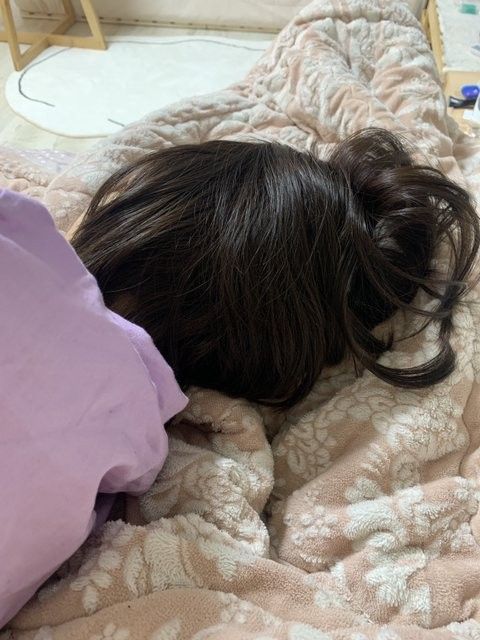
Hot weather and heavy workouts naturally shorten how long you should safely wear a wig. Sweat mixes with product buildup and creates a strong breeding ground for bacteria fast.
If you live somewhere humid, plan realistically for shorter wear cycles all around. Gym goers should rinse or air out their scalp more often than casual wig wearers.
Ignoring sweat buildup is genuinely one of the fastest ways to invite scalp problems in. Adjust your personal schedule based on your climate and activity level, not a fixed number.
Someone living near the coast may need to shorten their cycle compared to someone in a dry inland area. Rainy season, gym season, and dry season can each call for a slightly different plan.
Keep a mental note of how each season affects your scalp, and adjust accordingly.
The Importance of Taking Wig Breaks
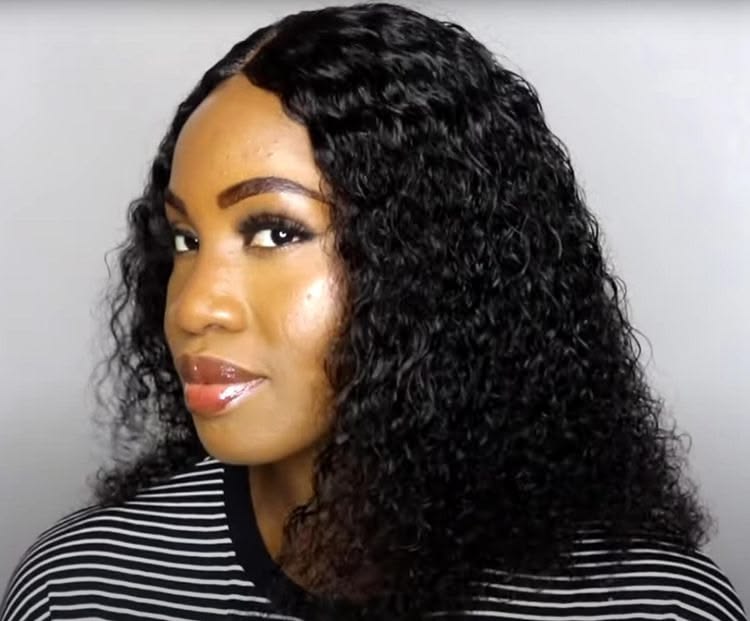
Breaks are not optional if your real goal is healthy hair over the long term. They give your scalp real time to reset and your hair time to breathe.
Think of a break as regular maintenance, not some kind of punishment or setback. Skipping breaks repeatedly is one of the biggest wig mistakes that damage your hair over time.
A short break now genuinely saves you from bigger repair work down the road later. Your hairline will thank you quietly for staying consistent with this simple habit.
Most people only realize how important breaks are once damage has already started showing. Do not let that be the moment you finally decide to take breaks seriously.
What a Wig Break Day Should Look Like
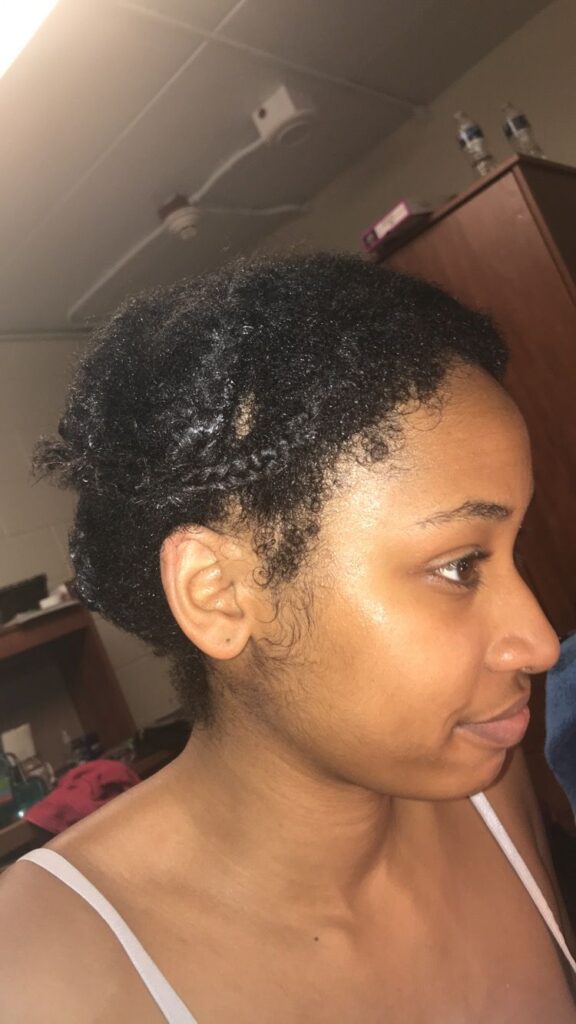
A proper break day should include cleansing, real moisture, and low tension styling choices. Wash your scalp thoroughly to remove buildup and leftover sweat residue from wear.
Follow that up with a lightweight moisturizer suited to your specific hair type. Avoid tight buns or braids on this day to give your roots genuine rest.
Let your natural hair hang loose, or try how to blow dry afro hair without damage for a change. This single day, repeated consistently, makes a real and visible difference over time.
Skipping this step regularly slowly cancels out the benefits of any wig break you take.
How to Wash Your Hair While Still Wearing Wigs Regularly
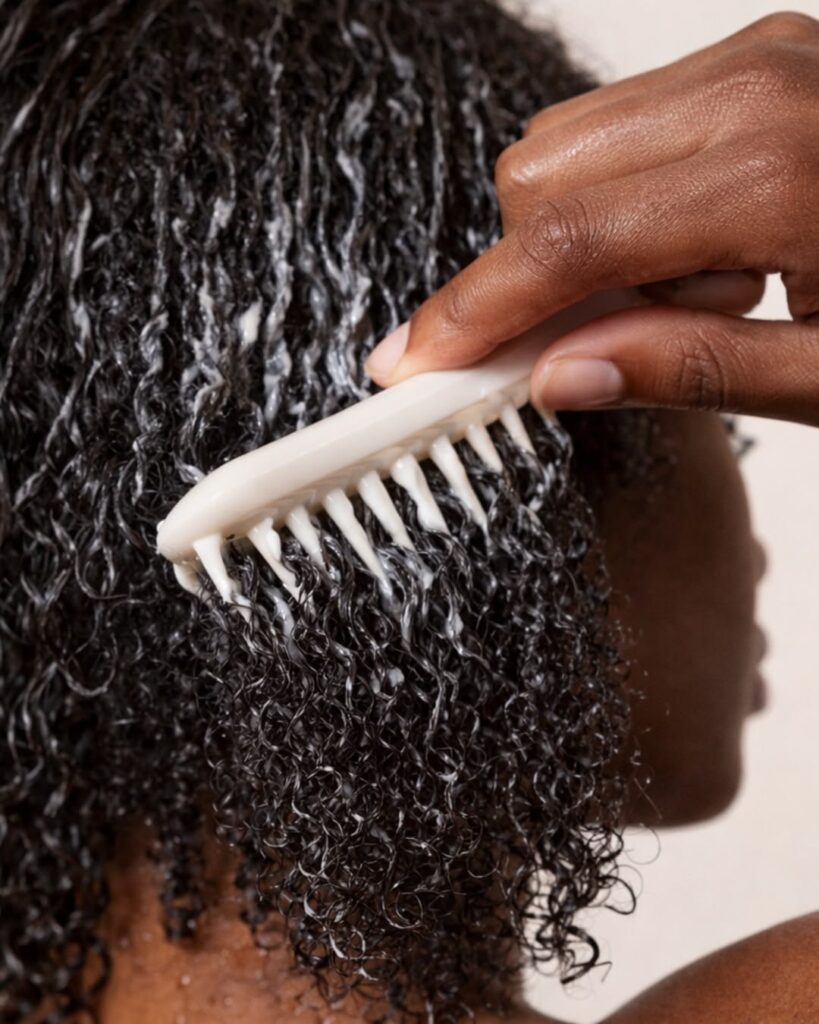
You do not need to remove the wig for every single wash day you have. Some people prefer washing their natural hair while the wig sits aside for a bit.
Others wash a wig cap style, like a scalp braid pattern, directly under running water. Either way, your scalp needs regular cleansing, not just your visible hair strands alone.
If you skip washes for weeks at a time, buildup accumulates and irritation follows quickly after. Build a washing routine that realistically fits around your wig schedule instead of fighting it.
Consistency here matters more than which exact method you personally choose to use. Pick a method that fits your schedule and stick with it week after week.
Switching methods too often makes it harder to notice patterns in your scalp’s condition.
Protective Styling Underneath: Does It Extend Wear Time?
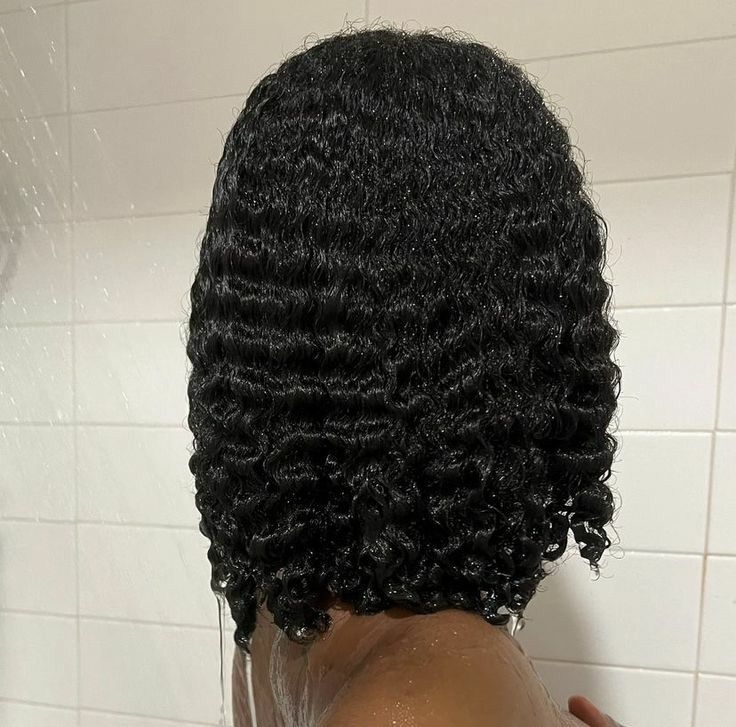
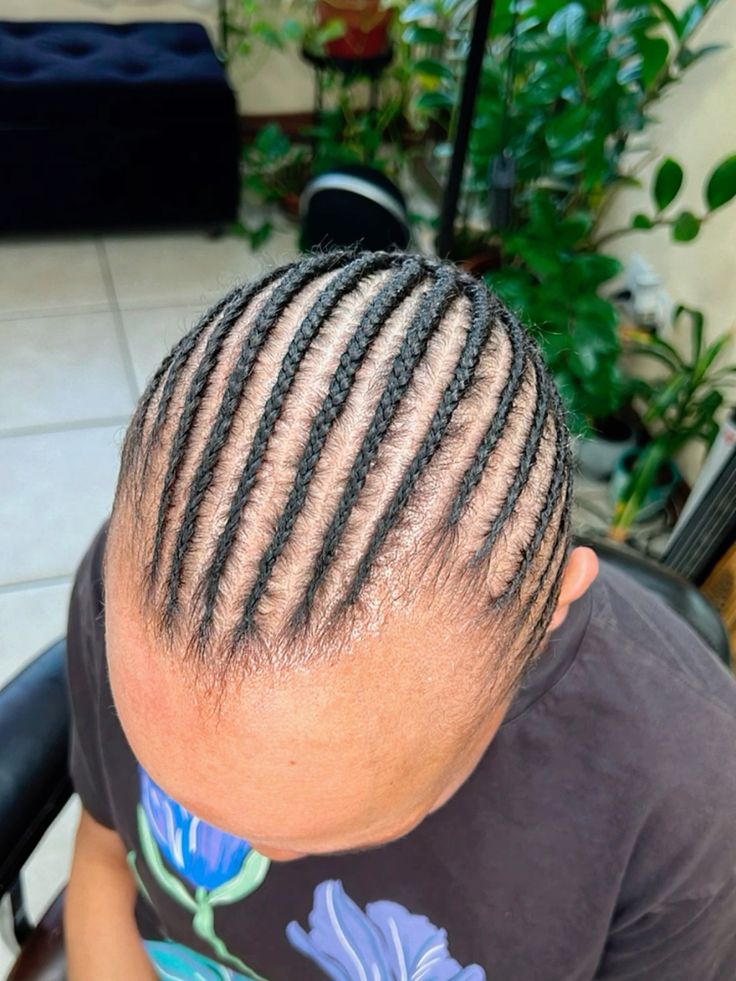
A well done protective style underneath can extend safe wearing time by a little. Braids or twists reduce tangling and friction far more than loose hair typically does.
Even protective styles still need airflow and periodic moisture checks throughout wear. Do not treat the style underneath as a free pass to skip breaks entirely.
Save this for later: why your twist-out never looks like everyone else’s, for the day your protective style comes down.
It only supports slightly longer wear, it does not fully replace proper scalp care. A neglected protective style under a wig can hide damage for weeks before you notice it.
Common Excuses People Make to Skip Wig Breaks
Busy schedules are by far the most common reason people give for skipping breaks. Others say they simply forget once the wig starts feeling completely comfortable and normal.
Some worry their natural hair looks unpresentable during their actual break days at home. None of these reasons hold up once you see what skipped breaks do over time.
Sandra, a longtime client, admitted she avoided breaks purely out of habit and comfort. She said the wig eventually felt like her real hair after wearing it for months.
This mindset is exactly what leads to hidden hairline damage building up slowly over time.
Once Sandra started scheduling breaks like real appointments, her hairline began recovering within weeks. She now treats break days as non negotiable, the same way she treats wash day.

How to Build a Wig Rotation Schedule
Owning more than one wig makes rotation and regular breaks far easier to manage. Alternate between two or three different styles across the weeks you wear wigs.
This spreads out tension points instead of hitting the exact same spot repeatedly every time. Mark your calendar so breaks do not get forgotten during genuinely busy weeks.
A simple rotation plan removes most of the guesswork from your entire wig routine. Consistency here protects your hairline far better than convenience alone ever could over time.
Even a basic two wig rotation, done consistently, beats wearing one wig nonstop for months. It also gives each wig time to air out properly before you wear it again.

Listening to Your Hair: The Best Guide You Have
No article, including this one, can replace paying attention to your own hair signals. Your scalp will always tell you honestly when something feels genuinely off underneath.
Itching, tenderness, or unusual shedding are your hair quietly asking you for a break. This ties directly into 15 reasons your afro hair isn’t growing.
Ignored signals often show up later on as stalled growth. Trust what your own scalp tells you over any strict, generic schedule.
Your hair has been talking to you the whole time, even if you were not listening.

When to See a Professional About Wig Wear Damage
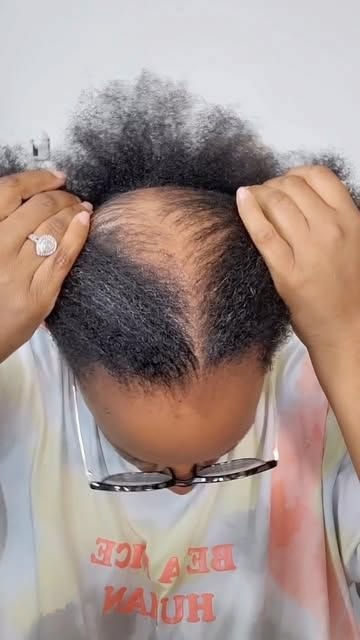
If breaks and better hygiene habits do not improve your scalp, see a professional. Persistent bumps, bald patches, or ongoing pain genuinely need real expert attention right away.
A trichologist or experienced stylist can properly check for deeper, underlying scalp issues. Waiting too long to seek real help can turn minor damage into lasting hair loss.
This is closely related to the hidden mistake that’s breaking your hair every week. Small issues like these compound fast over just a few weeks.
Early intervention almost always costs less time and less stress than delayed treatment does. Most professionals would rather see you early than after real damage has already set in.
A single consultation can also clear up confusion about what is actually normal for your scalp. It costs far less than months of guessing on your own without any expert input.
Final Thoughts on Wig Wear Time
There is no single number that fits every single person perfectly across the board. Your cap type, local climate, hair type, and scalp health all play a role.
A general one to two week window works reasonably well for most regular wig wearers. Listen closely to your scalp, take real breaks, and rotate your styles often enough.
Do this consistently, and wig wearing becomes a strength rather than a hidden risk. If you are new to wigs, revisit how to prep your hair before installing a wig for a strong start.
Wear time is only one piece of a much bigger, ongoing hair care picture. Get the wear time right, and everything else about your wig routine gets easier too.
This one habit sets the tone for how healthy your hair stays long term.
Healthy wig wear is really about balance, not strict restriction or rigid rules. You can enjoy wigs fully while still genuinely protecting the hair hidden underneath.
Small habits, like scheduled breaks and proper cleansing, add up steadily over several months.
Avoid the mistakes covered in heat protectant mistakes you might be making whenever you use heat on your hair.
Keeping your natural hair strong underneath means your wigs will always sit and look better.
Wig wearing does not have to work against your natural hair goals at all. With the right rhythm and a bit of patience, both can genuinely thrive side by side.
Give your scalp the breaks it needs, and it will keep rewarding you with growth. That reward is worth far more than one extra week of convenience ever could be.



7 Comments