
The Hidden Mistake That’s Breaking Your Hair Every Week
Disclosure: Some of the links in this post are affiliate links. This means if you click on the link and purchase an item, I will receive an affiliate commission at no extra cost to you.
There is one small habit quietly breaking hair for almost everyone at some point. It does not involve harsh chemicals, tight styles, or aggressive brushing at all. It happens every single night, while you sleep, without you even noticing it.
Most people never connect it to the breakage they see on their bathroom floor. This mistake also ties closely into 15 reasons your afro hair isn’t growing, since it slows progress silently.
You could follow every other step in your routine perfectly and still lose ground. Once you spot it, the fix is simple, but ignoring it costs you real length.
Stylists see this pattern constantly, in clients who otherwise take great care of their hair. Let’s uncover the one habit that might be undoing all your hard work.

The Hidden Mistake That’s Breaking Your Hair Every Week
The Mistake Almost No One Notices
The mistake is sleeping on a regular cotton pillowcase without any real protection. It sounds harmless, almost too small to matter, but the damage adds up fast.
Most people never think twice about the fabric their head rests on nightly. Yet this single detail plays a bigger role in hair health than most products do.
Once you understand why, you will never look at your pillowcase the same way again. It is one of those details that seems trivial until you see the results.
Most clients are genuinely surprised when they learn how much this one detail matters. A single fabric swap often outperforms months of chasing new styling products entirely.

What This Habit Is Doing to Your Hair
Cotton fibers are rough compared to the smooth surface of your hair strands. As you move in your sleep, your hair rubs against that rough texture repeatedly.
This constant rubbing creates friction that wears down your hair’s outer layer over time. That outer layer, called the cuticle, protects your strands from breakage and moisture loss.
Once it gets damaged, your hair becomes more fragile with every single night that passes. A damaged cuticle also makes hair look duller, even with a full moisture routine.
Think of the cuticle like roof shingles, meant to lie flat and protect what is underneath. Once those shingles lift or crack, everything beneath them becomes exposed and vulnerable.
Repairing that kind of damage takes far longer than preventing it in the first place. A little care now saves a lot of frustration months down the road.

Why It Happens Every Single Night
You cannot fully control how much you move while sleeping, no matter how careful you are. Even side sleepers and back sleepers experience some contact between hair and pillow.
Seven or eight hours of contact each night adds up over weeks and months. This is why the damage feels invisible at first, then suddenly obvious later on.
Small, repeated stress is often worse than one big event for your hair’s health. Your body cannot pause this process, which is exactly why prevention matters so much.
There is no version of sleep that removes contact between your hair and the pillow entirely. Accepting that fact is the first step toward actually protecting your hair properly.

The Friction Problem No One Talks About
Friction is the real enemy here, more than dryness or product choice alone. It roughens your strands, causes tangles, and leads to split ends over time.
This becomes especially noticeable if you also practice how to blow dry afro hair without damage. Heat already stresses the cuticle, so friction just adds more on top.
Combine nightly friction with regular heat styling, and breakage speeds up considerably. Reducing friction wherever possible protects the progress you make with every other part of your routine.
Think of friction as a slow leak that drains your hair’s strength over time. Patching that leak is often more effective than trying to add strength back in later.
How Cotton Fabric Pulls Moisture From Your Hair
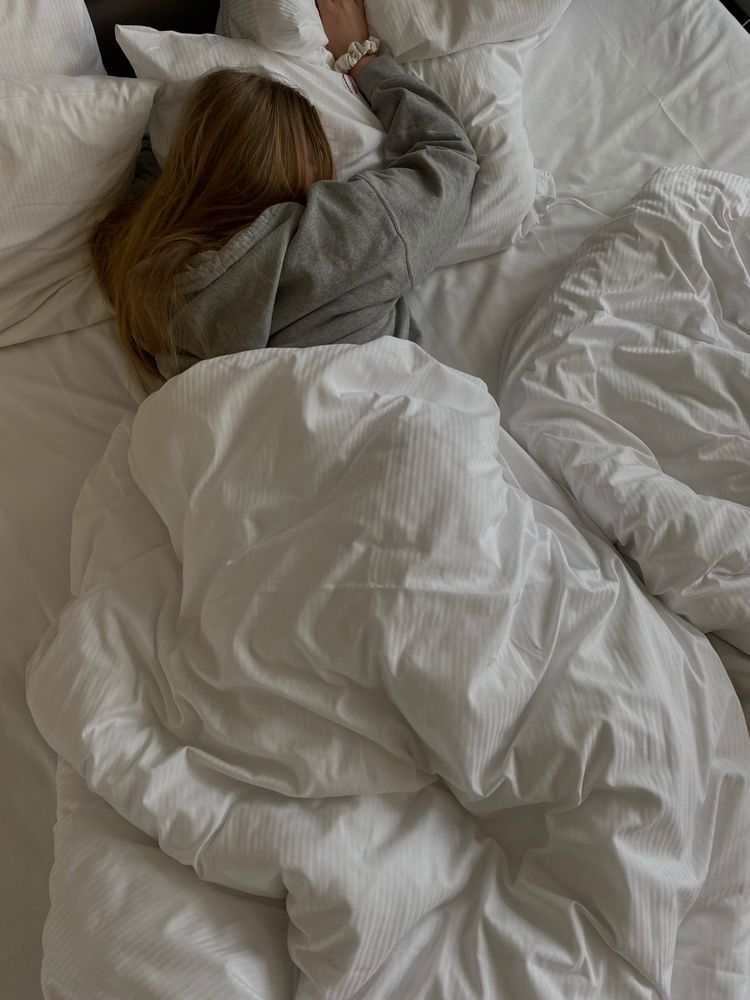
Cotton is naturally absorbent, which is great for towels but terrible for your hair. As you sleep, cotton pulls moisture straight out of your strands throughout the night.
This connects directly to why your hair still feels dry after moisturizing, since sleep habits undo daytime moisture work. You could have the best routine during the day and still wake up dry.
That gap between evening moisture and morning dryness often traces back to this exact habit. Fixing your pillowcase can close that gap without changing anything else you already do.
Many people chase new products for months before realizing the pillowcase was the real issue all along.
Why You Don’t Notice the Damage Right Away
Hair damage from friction builds slowly, not all at once in a dramatic way.
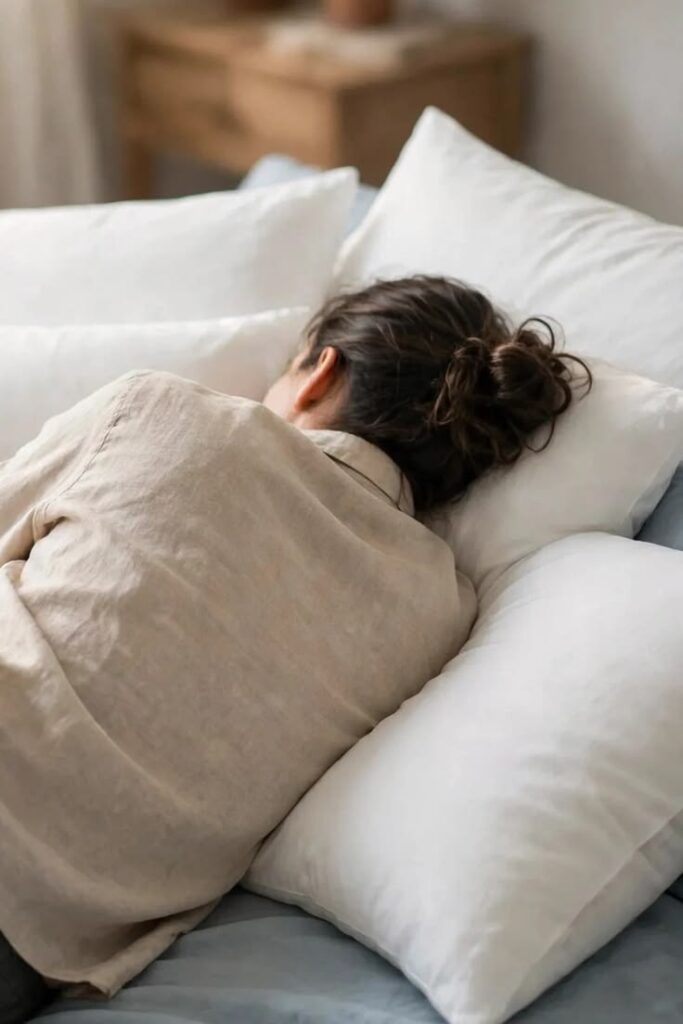
One night of sleeping on cotton will not visibly hurt your hair at all. But weeks and months of repeated contact eventually catch up with your strands.
By the time you notice split ends or unusual shedding, the damage has been building. This delay is exactly why so many people miss the real cause of their breakage.
It is easy to blame the last thing you tried instead of the real cause. Most people only trace the real cause back after a stylist points it out.
A trained eye can often spot friction damage that a mirror at home would miss.

Signs This Mistake Is Already Affecting You
Frizzy, undefined curls in the morning are one of the most common warning signs. Increased shedding on your pillow is another clue people often overlook completely.
Split ends that seem to appear out of nowhere can trace back to this habit. This ties closely into why your twist-out never looks like everyone else’s, since friction ruins curl definition overnight.
If your styles never look as good the second day, this mistake could be why. Pay attention to how your hair looks first thing, before you touch or style it.
That first glance in the mirror often tells you more than any product review could.
The Simple Fix That Solves This Problem
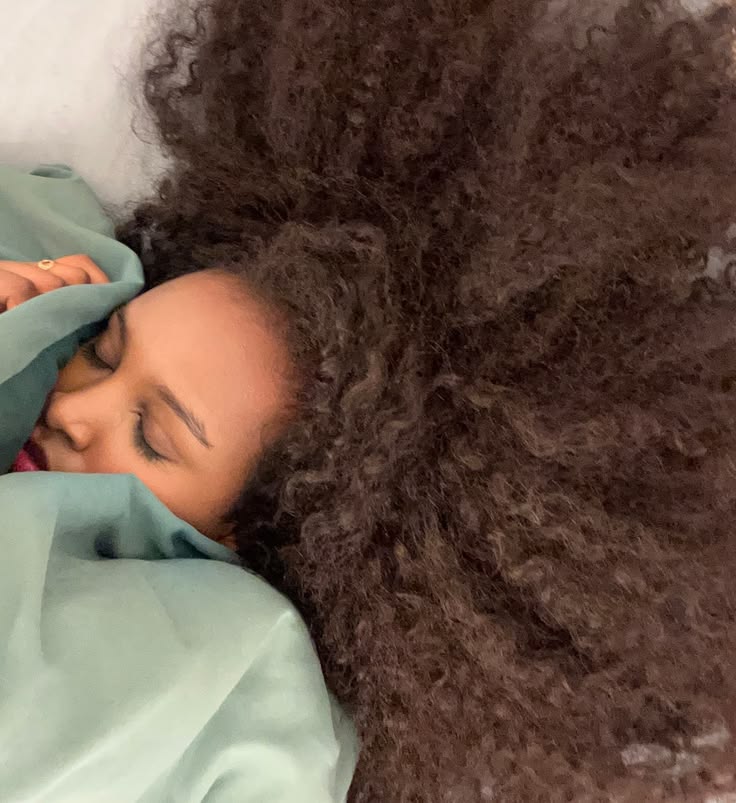
Switching to a smoother fabric solves most of this problem almost immediately. Satin and silk create far less friction than cotton against your hair strands.
This one change can noticeably reduce breakage within just a few weeks of consistent use. It costs very little compared to the products people usually buy chasing healthier hair.
Sometimes the biggest wins come from the smallest, cheapest changes you can make. A single pillowcase can outperform a shelf full of expensive treatments over time.
It rarely requires a full routine overhaul, just one honest swap in what you sleep on. Most people are surprised at how quickly the results become noticeable once they switch.

Satin Bonnets vs Satin Pillowcases
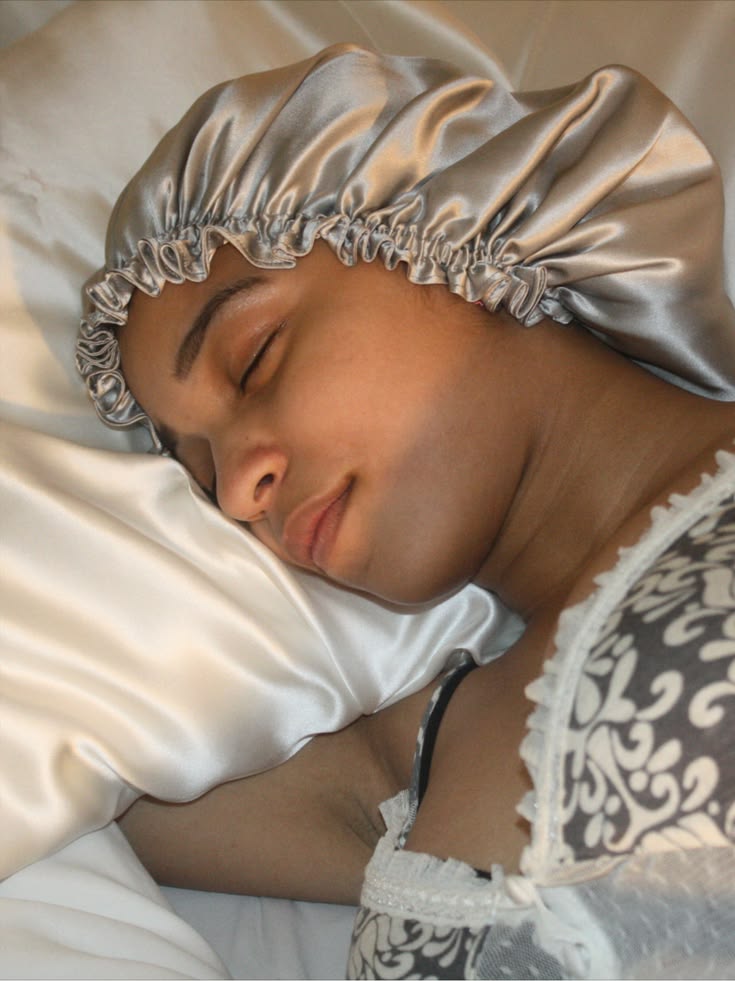
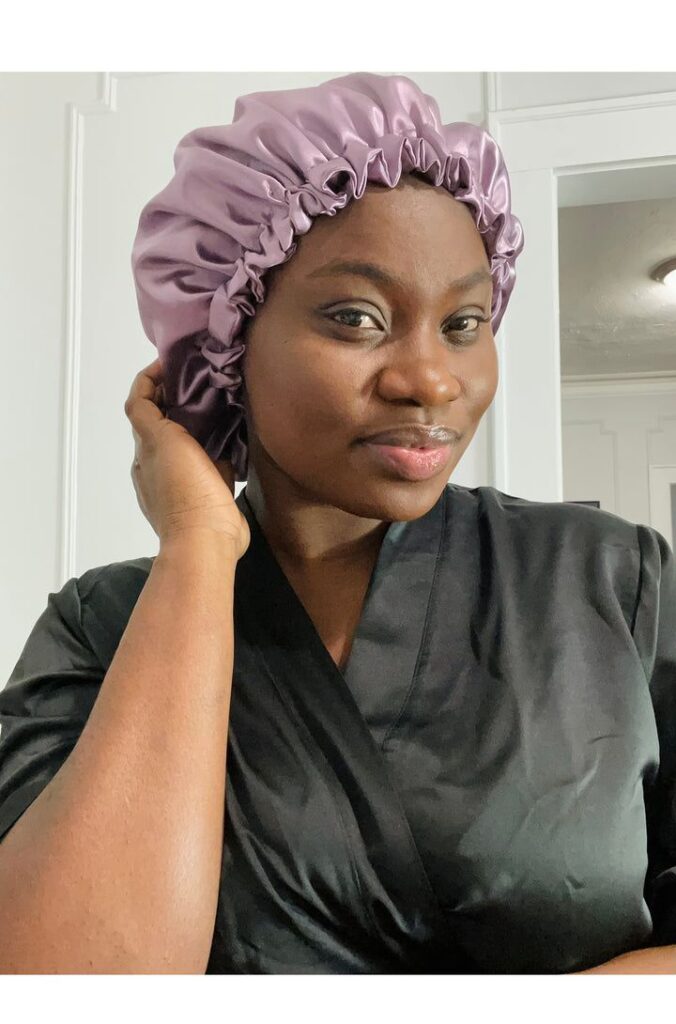
A satin bonnet covers your hair completely and keeps styles more intact overnight. A satin pillowcase protects your hair even if the bonnet slips off during sleep.
Using both together gives you the strongest protection against nightly friction damage.
This is especially useful if you also follow how to keep a silk press looking fresh longer between wash days. Choose whichever option fits your comfort, since either one beats plain cotton by far.
Some people even keep a spare pillowcase for nights when a bonnet feels like too much. Neither option is complicated, and both fit easily into almost any existing bedtime routine.
Start with whichever feels easiest, then add the second layer once the first becomes habit.
What to Do If You Move a Lot in Your Sleep
Restless sleepers benefit most from pairing a bonnet with a satin pillowcase together. This combination protects your hair even if a bonnet shifts during the night.
Wrapping your hair loosely before bed can also help keep everything in place. Tossing and turning does not have to mean sacrificing your hair’s health anymore.
A little extra preparation before bed goes a long way toward protecting your progress. Even a loose scarf tied gently can add an extra layer of protection.
Test a few options over a couple weeks to see what stays in place best for you. What works for one person’s sleep style might not work as well for someone else.
Comfort matters here too, since a habit you dread rarely lasts very long.

How This Mistake Connects to Breakage Elsewhere
This nightly habit rarely works alone in causing hair damage over time. It often pairs with other issues, like the biggest wig mistakes that damage your hair, to speed up breakage.
Combined stress from multiple sources adds up faster than any single mistake alone. Fixing one habit while ignoring others only solves part of the larger problem.
A full routine check often reveals more than one small mistake working against you. Looking at your whole routine together often uncovers patterns you missed before.
Treat this as one piece of a larger puzzle, not a complete solution alone. Working through your routine one habit at a time keeps the whole process manageable.

Why This Matters Even More With Protective Styles
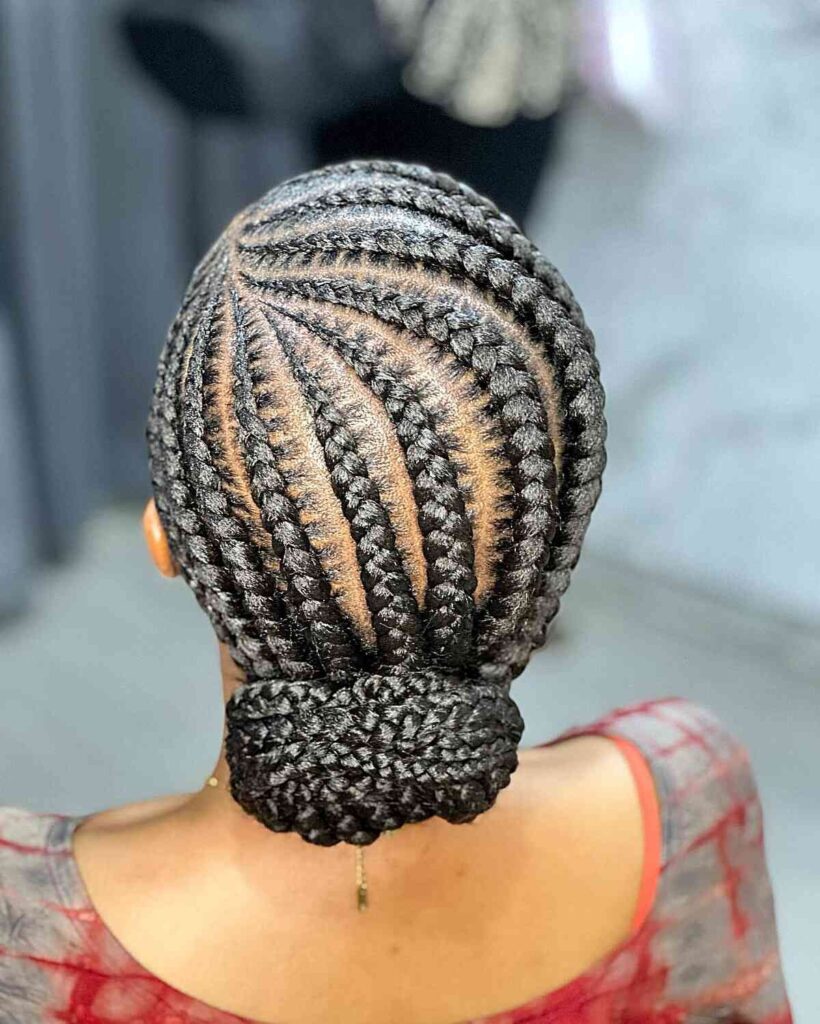
Protective styles are meant to reduce manipulation and support healthy hair growth. But friction from cotton fabric can undo much of that protection overnight.
This is worth remembering alongside how to prep your hair before installing a wig. Good prep sets the tone for everything that happens after.
A style that started strong can weaken quickly without proper nighttime protection in place. Protecting your hair does not stop once the style is finished, it continues nightly.
Treat every night as part of the style’s maintenance, not just an afterthought. Consistent overnight care can genuinely extend how long a protective style lasts you.
It also means less time spent redoing edges or smoothing frizz each morning. That saved time alone makes the small nightly effort worth it for most people.
How This Mistake Affects Wig Wearers Too
Many people assume wigs fully protect the hair underneath from any friction damage. That assumption is not always true, especially without proper prep beforehand.
This connects to a beginner’s guide to wigs for natural hair, since wig care starts with your natural hair first.
Following how to care for afro hair under a wig means protecting your hair at night too. Even under a wig, your natural hair still needs the same nightly protection.
A satin cap under your wig cap adds an easy extra layer of care. Do not assume the wig itself is doing this protective work for you automatically.
Checking your hair underneath every so often keeps this habit from slipping through the cracks. A quick check during your regular wash day is often enough to stay on top of it.

The Cost of Ignoring This for Months
A few weeks of poor sleep protection rarely causes noticeable damage on its own. But months of ignoring this habit can lead to real, visible setbacks.
Split ends multiply, shedding increases, and length retention slows down considerably over time.
Avoiding heat protectant mistakes you might be making will not help much if nightly friction continues unchecked.
Small mistakes, repeated often enough, eventually add up to a much bigger problem. What feels manageable at first can quietly turn into months of setbacks later.
Waiting until the damage feels serious usually means starting repair work from a much deeper hole. Prevention almost always costs less time and effort than repair ever will.
Think of tonight’s small habit as an investment in how your hair looks months from now.
Common Excuses People Make to Skip This Step
Some people say bonnets feel uncomfortable or slip off during the night constantly. Others simply forget, especially after a long day or a late night out.
Brianna, a longtime client, avoided bonnets for years because she disliked how they looked. Once she tried a silk pillowcase instead, she noticed less frizz within just two weeks.
If you love the complete beginner’s guide to silk presses, protecting your results overnight matters even more.
Small comfort trade-offs are worth it once you see the real difference in your hair. Brianna now says she wishes she had switched years earlier than she did.
Most excuses fade quickly once someone actually experiences the difference for themselves. Give yourself permission to try more than one option until something finally sticks.
Comfort and protection do not have to be opposites once you find the right fit.

How to Build This Habit Without Forgetting
Keep your bonnet or scarf somewhere visible, like on your nightstand or pillow. A visual reminder makes it far easier to build a consistent nightly habit.
Tyler, a client who travels often, keeps a spare bonnet in every bag he owns. That small step means he never has an excuse to skip this habit.
Consistency here matters more than perfection, especially during your first few weeks of trying. After a month, most people say the habit finally feels automatic and easy.
Pairing it with something you already do nightly, like brushing your teeth, helps it stick faster.
Small routines like this rarely feel effortless right away, but they get easier fast. Tyler says the habit now feels stranger to skip than it does to keep up.
Other Small Habits That Cause Similar Damage
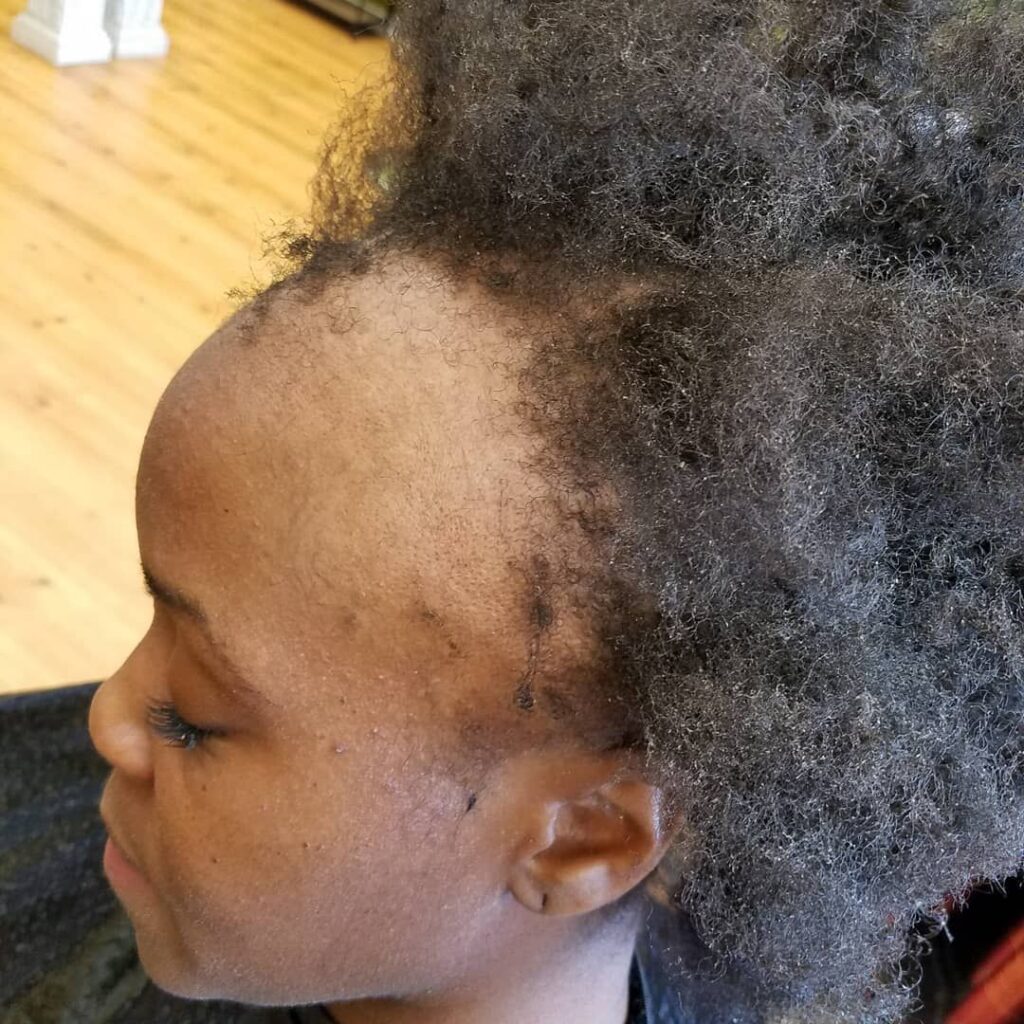
This is not the only small daily habit that quietly causes hair damage. Tight hair ties, rough towels, and harsh brushing all cause similar friction related issues.
This connects to could your favorite hairstyle be damaging your hairline, since tension habits often stack together.
It is also worth considering alongside silk press vs blowout, what’s the difference, since styling choices affect strand stress too.
Auditing your full routine often reveals more small habits working against you than expected. Once you start looking closely, patterns tend to show up in more than one place.
A rough bath towel, for instance, can cause almost as much friction as a cotton pillowcase does.
Swapping that towel for a soft microfiber one is another easy, low cost fix. Small swaps like these rarely feel dramatic, but their combined effect adds up over time.

How Long It Takes to See Improvement
Most people notice less frizz and tangling within the first two weeks of switching. Reduced shedding often follows within a month of consistent nightly protection.
This mirrors the patience needed in how long should you wear a wig continuously. Hair habits generally take real, honest time to show results.
Real length retention improvements usually take a few months to become clearly visible. Give the change enough time before deciding whether it worked for your hair.
Most disappointment comes from quitting too early, not from the method actually failing. Track your progress with a note or photo so small changes are easier to spot.
Consistency over a few months tells you far more than any single week ever could.
Final Thoughts on Fixing This Weekly Mistake
Denise, a neighbor who struggled with constant breakage, switched her pillowcase on a whim. Within a month, she noticed noticeably less hair on her pillow each morning.
She now considers her satin pillowcase one of the cheapest, most effective changes she made. This single habit, corrected consistently, protects nearly everything else you do for your hair.
Small changes like this one often matter more than any expensive product ever could. Sometimes real progress starts with something as simple as changing what you sleep on.
It is worth revisiting every part of your routine to see what else might be worth this same simple fix. Denise now checks her whole routine every few months for other small, easy wins.
Breakage rarely comes from one dramatic mistake happening all at once. It usually comes from small, repeated habits that quietly add up over time.
Fixing your sleep setup is one of the easiest wins available to you. Give your hair the protection it deserves, even while you are fast asleep.
A small nightly habit, kept consistent, can carry you further than you expect. Start tonight, and let your hair show you the difference over the coming weeks.
There is no perfect time to begin, only the choice to start with tonight’s routine.


6 Comments