
Why Your Hair Still Feels Dry After Moisturizing
Disclosure: Some of the links in this post are affiliate links. This means if you click on the link and purchase an item, I will receive an affiliate commission at no extra cost to you.
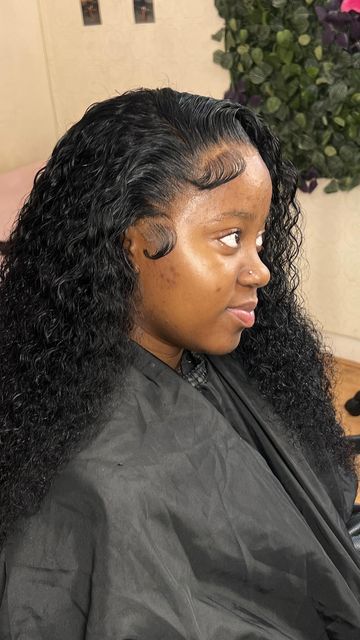
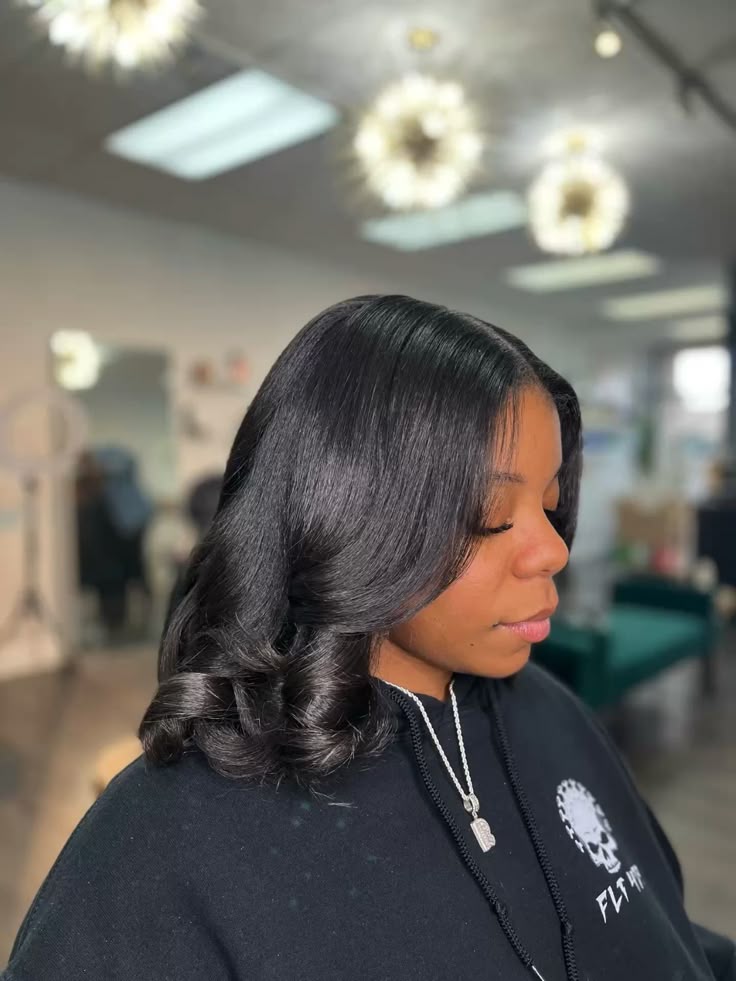
Some hair feels dry in every weather, same as my customer’s hair. She’s been asking me what to do and what caused it. I get this question more than almost any other in my chair. Dry hair does not care about the season, the product shelf, or the price tag.
It just keeps happening, no matter how much cream or oil goes on. You moisturize in the morning, and by afternoon your strands feel bone dry again. This is one of the most frustrating things afro hair can do to you.
If this keeps happening to you too, you are not alone in this struggle. Once you understand what dryness actually means, this stops feeling like a mystery. It also connects closely to why your twist-out never looks like everyone else’s, since dry strands rarely hold shape.
Dry hair affects everything, from how your curls look to how long a style lasts. Let’s break down why moisturizer sometimes feels like it barely works at all.
Why Your Hair Still Feels Dry After Moisturizing
Why Moisturizer Sometimes Doesn’t Feel Like Enough
Moisturizer is not one single magic product that solves everything on its own. It works as part of a system, not as a standalone fix for dryness.
If any part of that system is missing, the moisture disappears fast. Most people blame the product itself when the real issue is the method.
Understanding this shift in thinking changes how you approach your entire hair routine. It stops being about buying more products and starts being about using them right.
Once this clicks, dryness starts feeling like a solvable problem instead of a mystery. Think about the last time a product worked well, then stopped working the same way.
Chances are your method changed slightly, even if the product stayed exactly the same.
What “Moisturized” Actually Means for Afro Hair
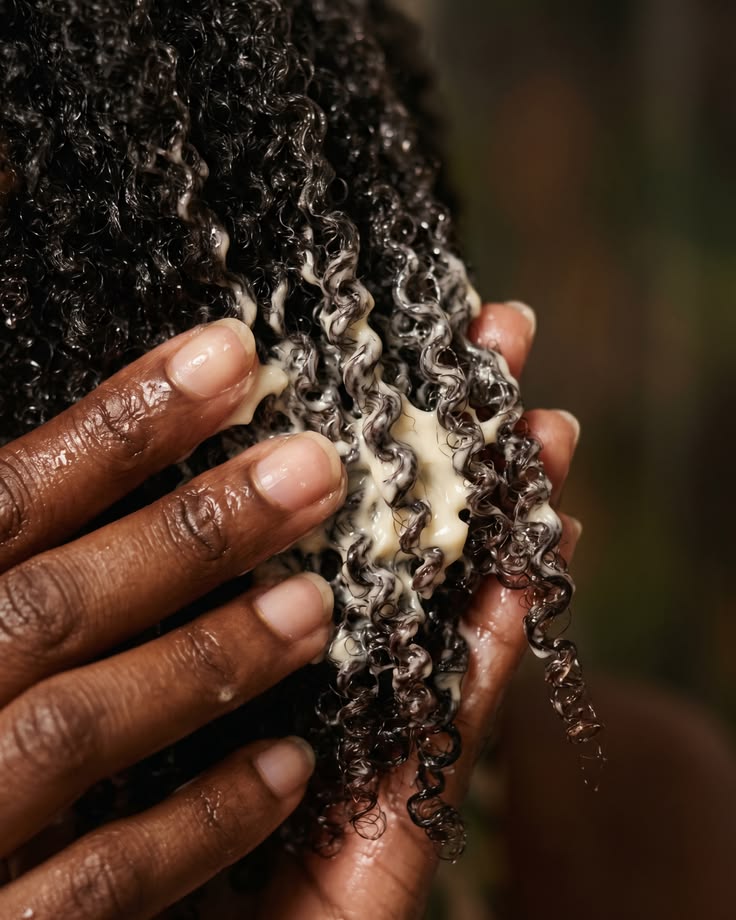
Moisturized hair holds water inside the hair shaft, not just on the surface. Afro hair has a structure that makes holding onto that water naturally harder.
The curl pattern creates bends where moisture escapes more easily than straighter hair types. This does not mean your hair is broken or difficult, it just behaves differently.
Once you understand this, you stop fighting your hair and start working with it. Real moisture means your strands feel soft and flexible, not just wet on top.
A quick pinch test can show you the difference between the two right away. Squeeze a small section gently and notice whether it springs back or stays flat.
The Difference Between Moisture and Hydration
People often use moisture and hydration like they mean the exact same thing. Hydration refers to water content inside the strand, which is what you actually need.
Moisture, in everyday language, often just means anything applied to the hair’s surface. Oils and butters can make hair look shiny without adding any real hydration.
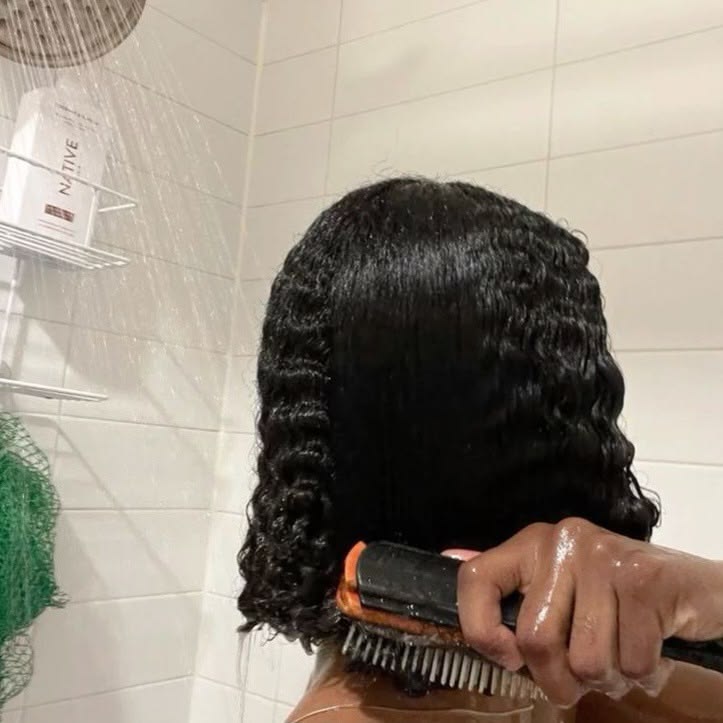
This is why some products feel great for an hour, then dryness returns. True hydration comes from water based products applied before anything else.
Once you separate these two ideas, shopping for products becomes much easier to navigate. Look for water listed as the first ingredient the next time you shop.
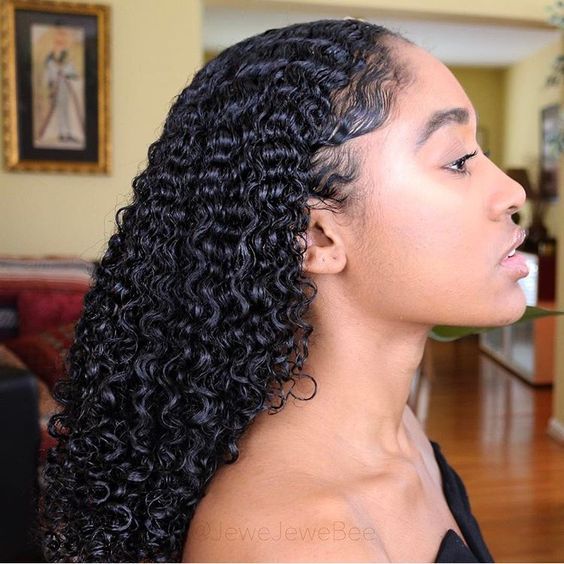
Common Product Mistakes That Cancel Out Moisture
Some products actually work against the moisture you just added to your hair. Heavy oils applied before water can block moisture from ever soaking in.
Using alcohol based products regularly can pull existing moisture straight out of your strands.
Avoiding heat protectant mistakes you might be making also protects the moisture already sitting inside your hair.
Reading your ingredient list matters more than trusting flashy packaging or big promises. A short ingredient list with real oils often works better than one full of fillers.
Take a few minutes to check your current products against this simple standard. Sulfates and heavy silicones are two common culprits worth watching out for on labels.
Once you remove the worst offenders, your other products often start working better too. Swapping just one product at a time makes it easier to tell what actually helped.
Give each swap two full weeks before judging whether it made a real difference.
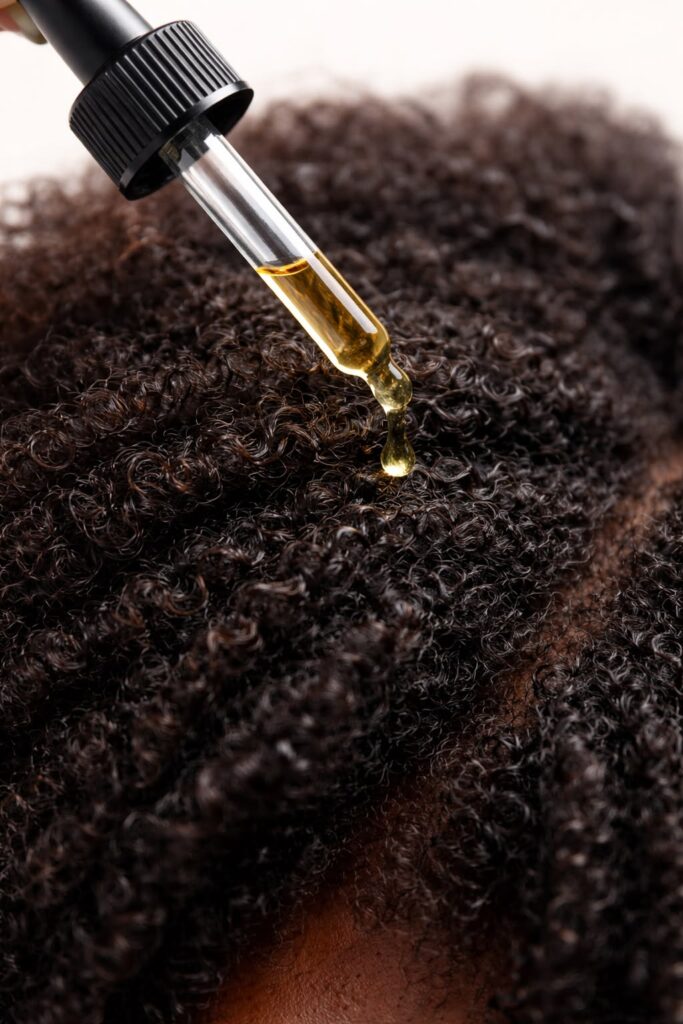
Why Water Should Come Before Your Products
Water is the actual source of hydration, not the oils or creams you apply after. Spritzing your hair with water before styling adds real moisture to the strand.
Products applied afterward help trap that water in, rather than replacing it entirely. Skipping this step is one of the most common reasons hair still feels dry.
Many people apply cream or oil straight onto completely dry hair by mistake. Fixing just this one habit can noticeably change how your hair feels daily.
Keep a spray bottle nearby so this step never gets skipped out of convenience. A light misting each morning can keep your style refreshed without a full redo.
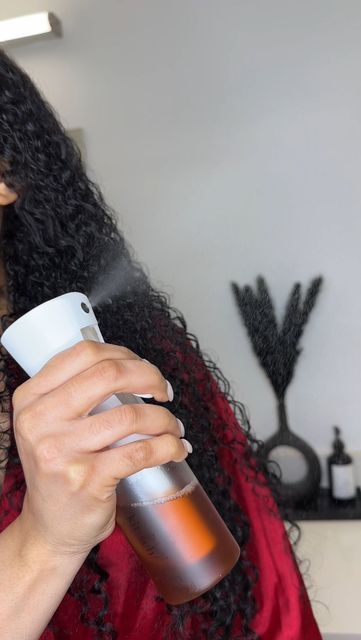
How Porosity Affects How Your Hair Holds Moisture
Porosity describes how easily your hair absorbs and holds onto moisture over time. Low porosity hair resists moisture at first, then struggles to release it later.
High porosity hair absorbs moisture quickly but loses it just as fast afterward. Neither type is better, they simply need different care approaches to work well.
This is closely tied to 15 reasons your afro hair isn’t growing, since dryness often slows visible growth. Learning your porosity type helps you choose products that actually work for your hair.
A simple strand test in a glass of water can reveal your porosity type quickly. Strands that float tend to be low porosity, while ones that sink quickly are high porosity.
Knowing this one detail can save you months of trial and error with products. Once you know your type, product shopping stops feeling like guesswork entirely.
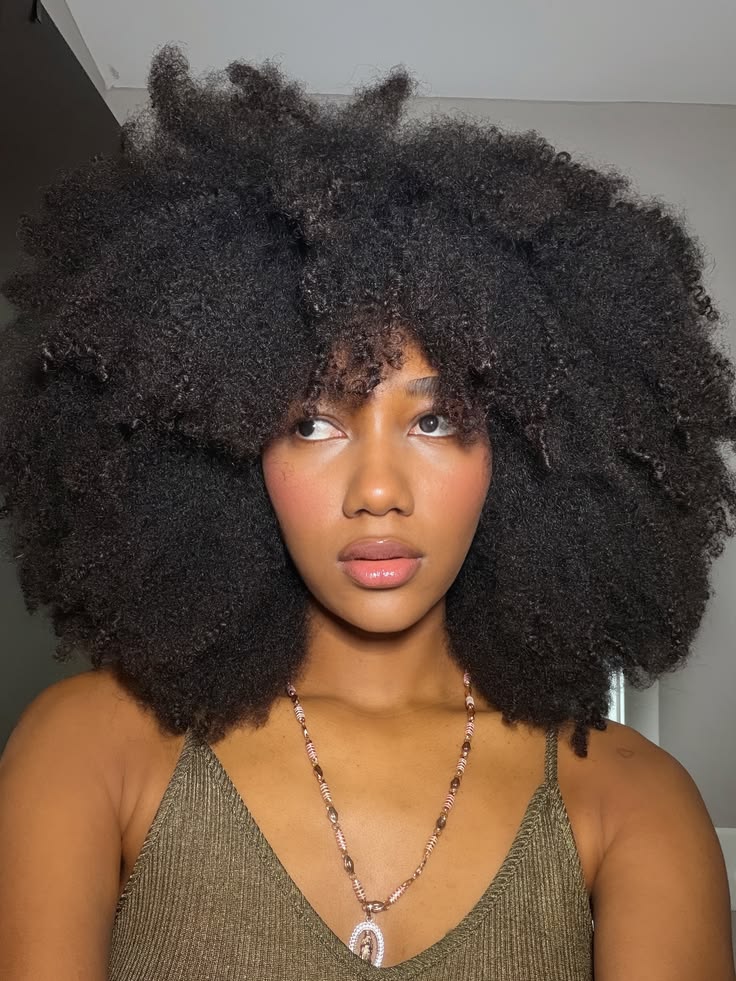
The Sealing Step Most People Skip
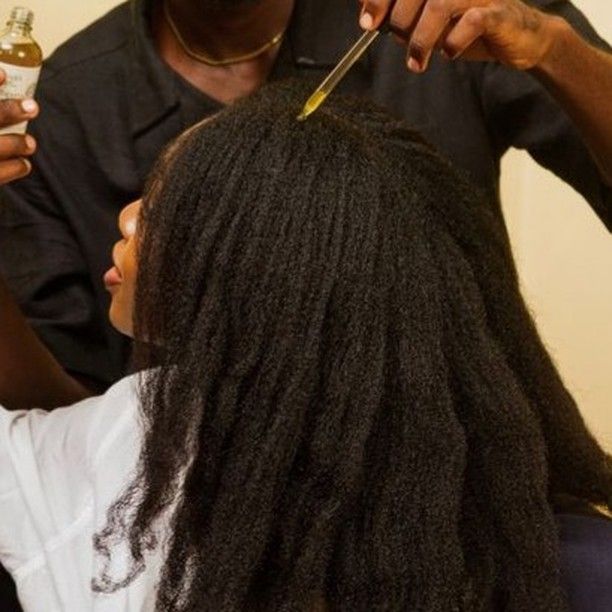
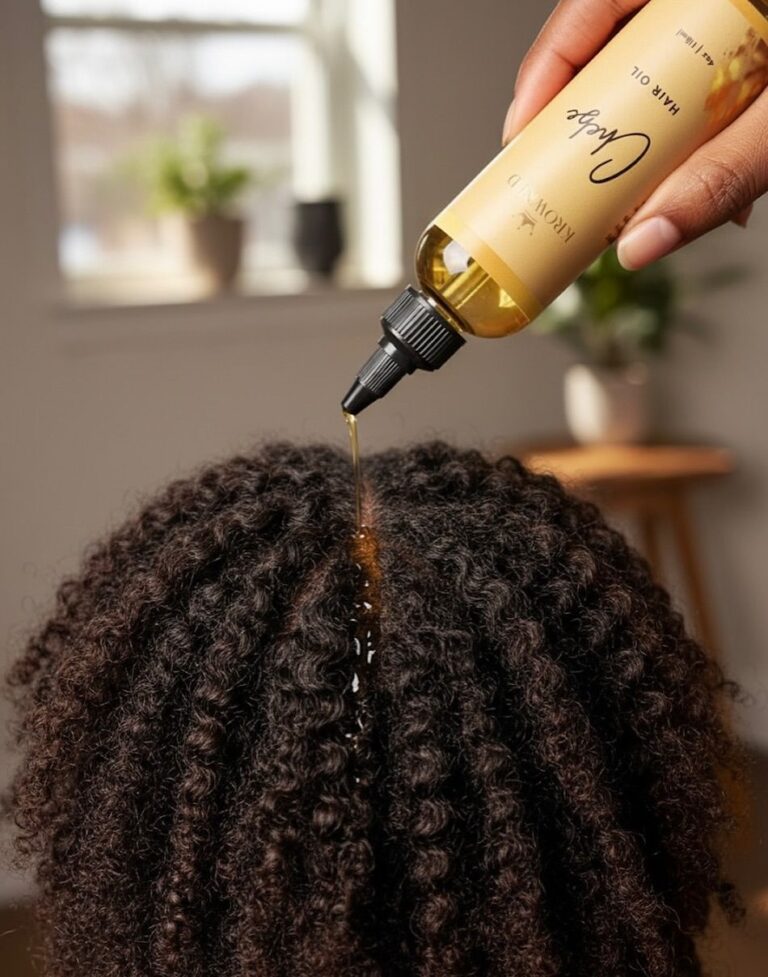
Sealing means locking moisture into the strand using an oil or butter afterward. Without this step, water evaporates out of your hair within a few hours.
This becomes especially important after how to blow dry afro hair without damage leaves strands more exposed. A light oil applied to damp hair holds moisture in far better than dry hair.
Many people skip sealing because they think one product should already do it all. Adding this one extra step often solves dryness that nothing else seemed to fix.
Even a small amount of oil, used correctly, makes a real difference over time. Warming the oil slightly between your palms can help it spread more evenly through your strands.
A little goes a long way, so resist the urge to apply too much at once.
How Often You Should Really Be Moisturizing
Daily moisturizing works for some hair types, but not for every single person. Over moisturizing can sometimes strip natural oils through excessive manipulation and product buildup.
Under moisturizing leaves hair dry, brittle, and more prone to breakage over time. Most afro hair benefits from light daily refreshing and deeper moisture every few days.
Pay attention to how your hair feels the day after each moisture session. That feedback tells you far more than any generic schedule ever could.
Adjust your rhythm slowly instead of switching your entire routine all at once. Keeping a short note of what you did each day helps you spot patterns faster.
Over a few weeks, that simple habit becomes more useful than any product review online.
Trust your own results over anyone else’s routine, even if theirs looks impressive. Your hair type and lifestyle are unique, so your schedule should be too.
Signs You’re Using the Wrong Products
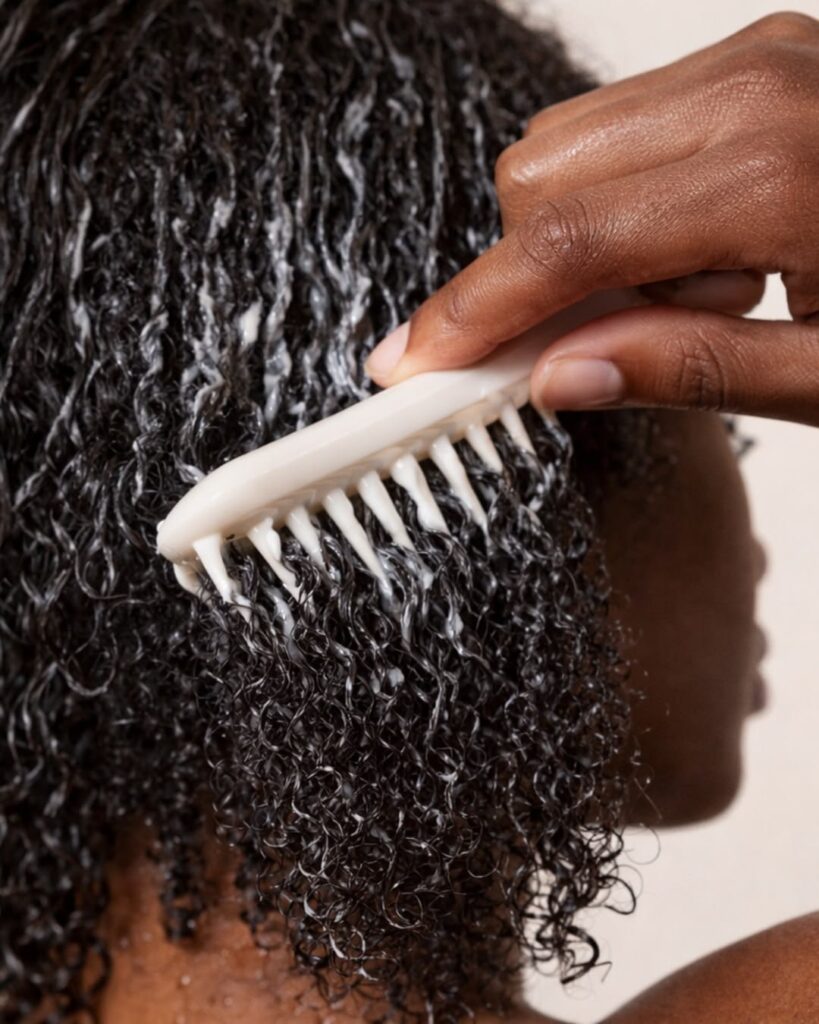
Hair that feels waxy or coated usually means your products are sitting on top. Hair that feels rough within hours often means the products lack real moisture.
This connects to the hidden mistake that’s breaking your hair every week, since poor products often hide behind pretty packaging.
Angela, a longtime client, switched from a popular cream to a simple water based leave in. Her hair held moisture for three days instead of just a few hours.
Small changes like this often matter more than expensive product switches. She now tells every new client to start there before buying anything else.
Price does not always predict performance, no matter what the marketing suggests. Reading real reviews from people with similar hair often helps more than ads.
How Heat Styling Dries Out Your Hair Fast
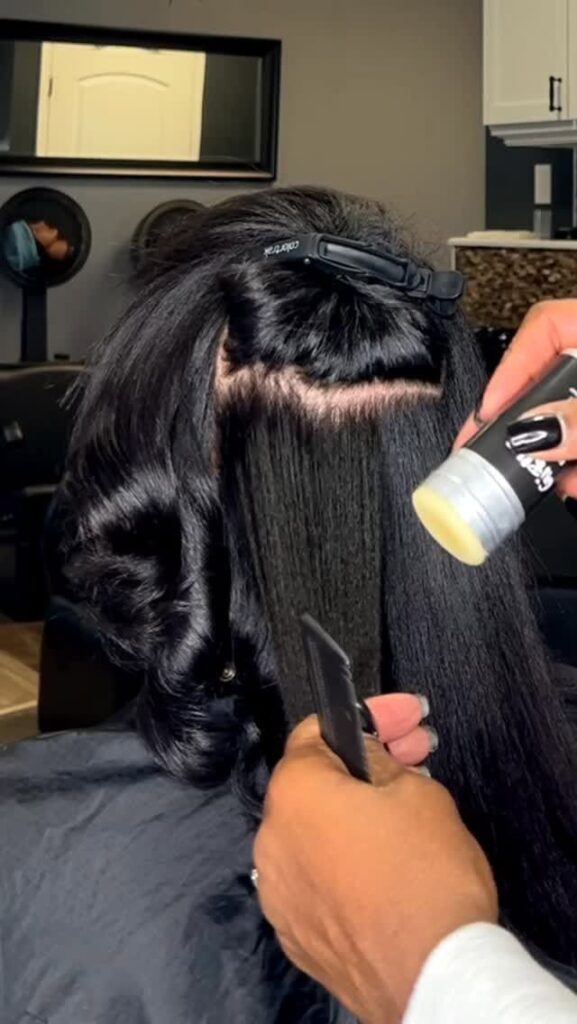
Heat pulls moisture straight out of the hair shaft during every single session. This is especially true for anyone doing the complete beginner’s guide to silk presses without proper prep first.
Skipping heat protectant makes this moisture loss happen even faster than usual. Deep conditioning before heat styling helps hair handle the process with less damage.
Spacing out heat sessions gives your hair time to recover moisture in between. Ignoring this pattern is one of the fastest ways to end up with permanently dry ends.
Even a two week gap between sessions can make a visible difference over time. Lower heat settings also reduce moisture loss without sacrificing the finished look.
A moisture treatment right after heat styling can help undo some of the damage.
How Wigs and Protective Styles Affect Moisture
Wigs and protective styles can trap moisture in, but only when done correctly. Left too long, they can also trap heat and pull moisture out instead.
This ties directly into how long should you wear a wig continuously, since wear time affects moisture balance too.
Moisturizing your scalp and hair before installing any protective style matters just as much as timing.
Following how to care for afro hair under a wig keeps your strands from drying out unnoticed.
Neglecting hair underneath a style is one of the sneakiest causes of ongoing dryness. Check on your hair underneath every few days, even with a protective style on.
A light spritz through the parting can refresh moisture without disturbing the style. This small habit keeps your hair in better condition when the style finally comes down.
The Role of Diet and Water Intake
Moisture is not only about what you apply to your hair from outside. What you drink and eat affects your hair’s ability to hold water too.
Dehydration from low water intake can show up in your strands before anywhere else. Diets low in healthy fats can also leave hair looking dull and feeling dry.
Foods rich in omega fatty acids, like fish and nuts, support strand flexibility from within. This does not mean products stop mattering, but internal habits genuinely support external ones.
Small changes to water intake sometimes improve hair texture within just a couple weeks. Pairing better hydration habits with a solid product routine works better than either alone.
Think of your diet as the foundation your product routine gets to build on. A body that is well hydrated tends to grow hair that holds moisture better too.
Even small daily changes, like an extra glass of water, can add up over time.

How Weather Changes Your Moisture Needs
Cold, dry air pulls moisture from your hair faster than warm, humid air does. Indoor heating during colder months can dry hair out just as fast as sun exposure.
Humid weather can sometimes make dry hair feel temporarily better without changing anything else.
This is worth remembering alongside silk press vs blowout, what’s the difference, since weather affects which style holds up best.
Adjusting your routine by season prevents dryness that catches people off guard every year. What worked perfectly in summer may fail completely once the weather turns colder.
Keep a lighter product on hand for warm months and a heavier one for cold ones. Pay attention as seasons shift, since your hair usually needs adjustment a few weeks early.
A quick seasonal audit of your products can save you weeks of confusion later.
Overwashing and Underwashing: Both Cause Dryness
Washing too often can strip natural oils your scalp needs to protect your hair. Washing too rarely allows buildup that blocks moisture from reaching your strands at all.
Finding a washing rhythm that fits your scalp takes some honest trial and error. This becomes even more important if you also read a beginner’s guide to wigs for natural hair regularly.
Wig wearers often forget proper washing schedules once their hair is covered most days. A balanced wash routine protects moisture better than either extreme ever could alone.
Set a reminder if you tend to forget wash day once a wig goes on. Somewhere between every four and seven days works well for most people.
Adjust that number based on how your own scalp behaves week to week.
Why Layering Products the Right Way Matters
Layering the wrong products in the wrong order cancels out most of their benefits. Heavy products applied first can block anything applied afterward from doing its job.
Light to heavy is usually the safest order for most hair routines. This matters even more if you also follow how to keep a silk press looking fresh longer between wash days. Derek, a client who struggled with constant dryness, simply reordered his usual three products.
His hair held moisture noticeably longer within just one week of trying it. He now credits that one small change for fixing months of frustration.
Sometimes the fix is not a new product, just a smarter order for old ones. Testing your current products in a new order costs nothing and takes only minutes.
The LOC and LCO Method Explained Simply
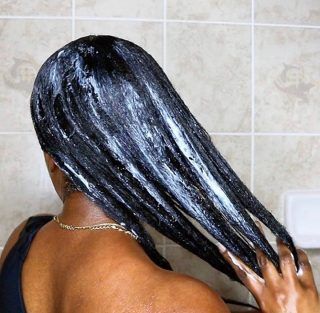
LOC stands for liquid, oil, and cream, applied in that specific order. LCO stands for liquid, cream, and oil, which suits some hair types better instead.
Low porosity hair often does better with the LCO method’s lighter finish. High porosity hair often does better with the heavier seal from the LOC method.
The liquid step is almost always water or a water based leave in spray. The oil step locks moisture in, while the cream step adds extra softness on top.
Testing both methods on different days helps you figure out which one truly works. There is no universally correct answer, only what genuinely works for your specific hair.
Give each method at least a full week before deciding which one fits you. Write down how your hair feels each day so the comparison stays fair and clear.
Photos taken each morning can also help you track subtle changes over time. Once you settle on a method, stick with it for a full month before switching again.
Common Myths About Moisturizing Afro Hair
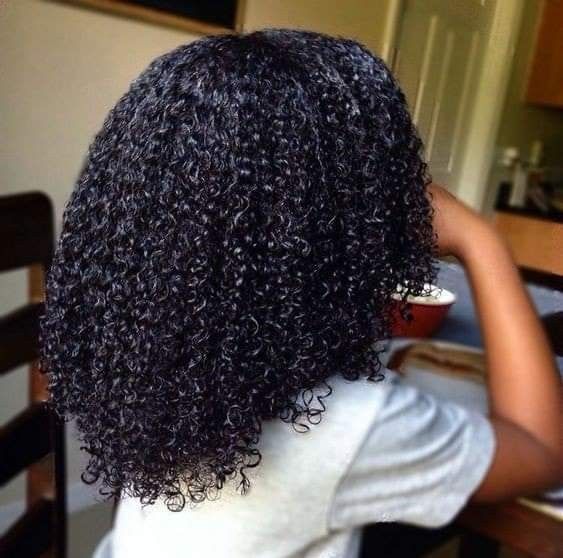
Many people believe thicker products always mean better, longer lasting moisture for their hair. This is simply not true, since thickness often blocks water rather than holding it in.
Another myth claims natural hair does not need water based products at all. This myth alone causes more dryness than almost any other misunderstanding out there.
It also relates to could your favorite hairstyle be damaging your hairline, since myths often push people toward damaging habits.
Monica, a neighbor, believed oil alone kept her hair moisturized for over a year. Once she added water back into her routine, her dryness finally started improving.
She now laughs about how one small change undid a year of frustration. Questioning old habits, even ones passed down from family, is always worth doing.
What worked for someone else’s hair texture may simply not apply to yours.
Building a Moisture Routine That Actually Works
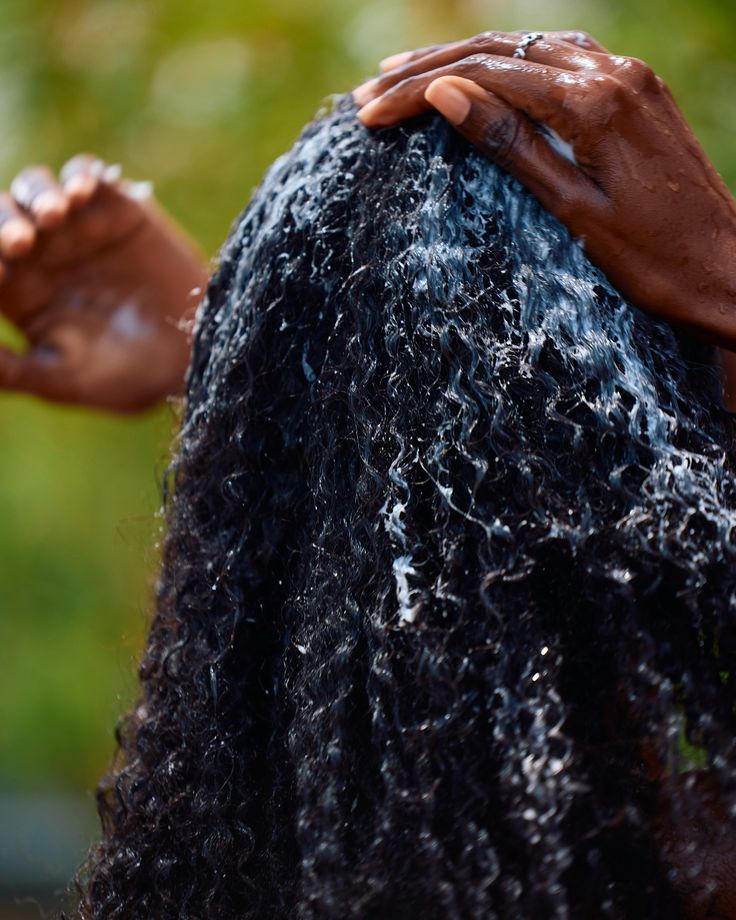
Start with water, then a leave in, then a light sealing oil afterward. Adjust the amount based on your hair’s porosity and your local climate.
Track how your hair feels over a full week, not just one single day. This avoids the biggest wig mistakes that damage your hair that come from rushing or skipping steps entirely.
Consistency matters more than finding one perfect, expensive product on the market. Small, repeated habits beat occasional deep treatments every single time in the long run.
Give your new routine time to prove itself before switching to something else entirely. Write your routine down somewhere you will actually see it each day.
A simple checklist on your mirror can keep you consistent during your busiest weeks. Review your notes every month to see what patterns have started to form.
Final Thoughts on Keeping Your Hair Moisturized
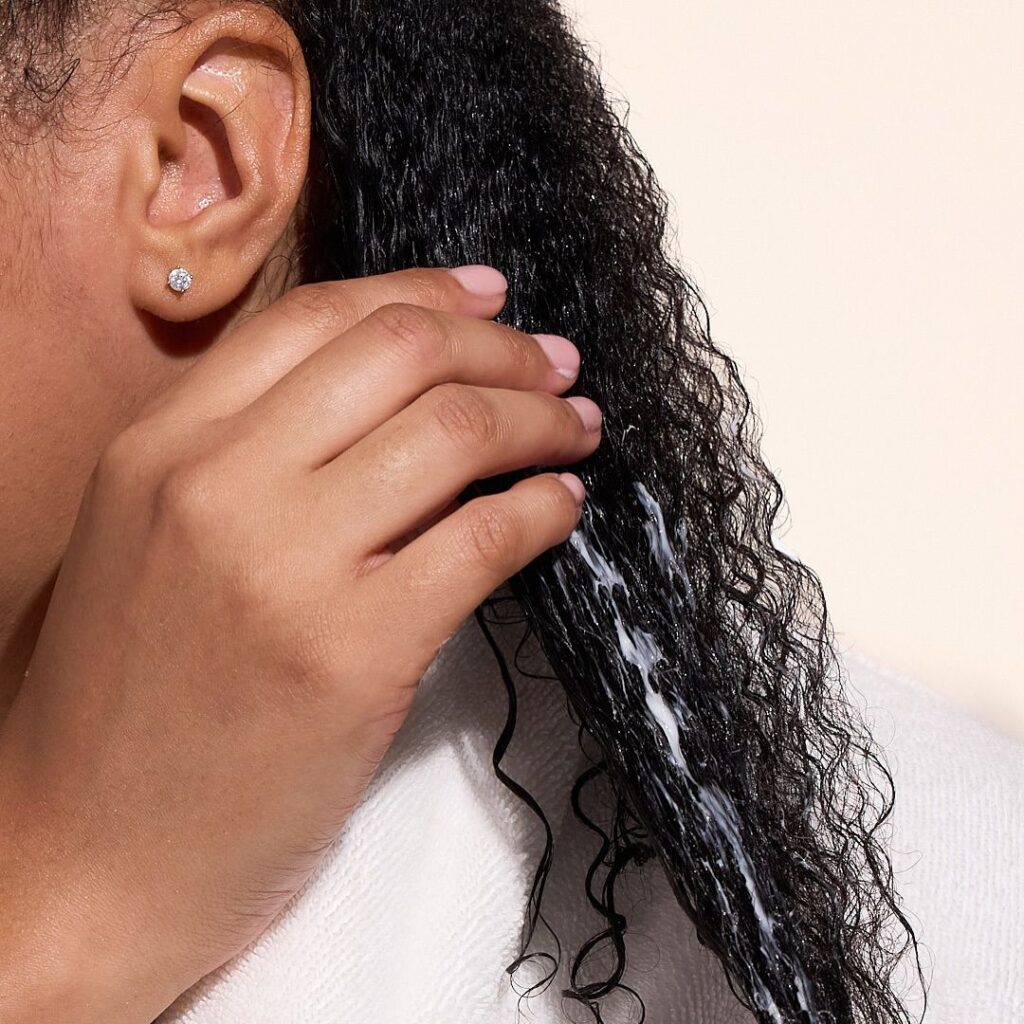
Dry hair after moisturizing usually points to a missing step, not a failed product. Water first, sealing after, and consistent habits solve most dryness over time.
Porosity, weather, and styling choices all play a role in your results too. If you are getting ready for a new style, revisit how to prep your hair before installing a wig first.
Give your new routine a few weeks before deciding whether it truly works. Real change in hair health rarely happens overnight, but it does happen with patience.
Trust the process, track your progress, and adjust only when you have real feedback.
Most people see a real shift within a single month of doing this consistently. Stick with the basics before reaching for anything fancy or expensive.
Dryness is frustrating, but it is almost always fixable with the right small adjustments. Pay attention to what your hair tells you after each wash and style.
Your hair has been asking for water this whole time, not just more products. Give it what it actually needs, and the frustration will finally start to fade.
A little patience now saves you from years of guessing and frustration later. Start small, stay consistent, and let your results guide every decision from here on.

6 Comments